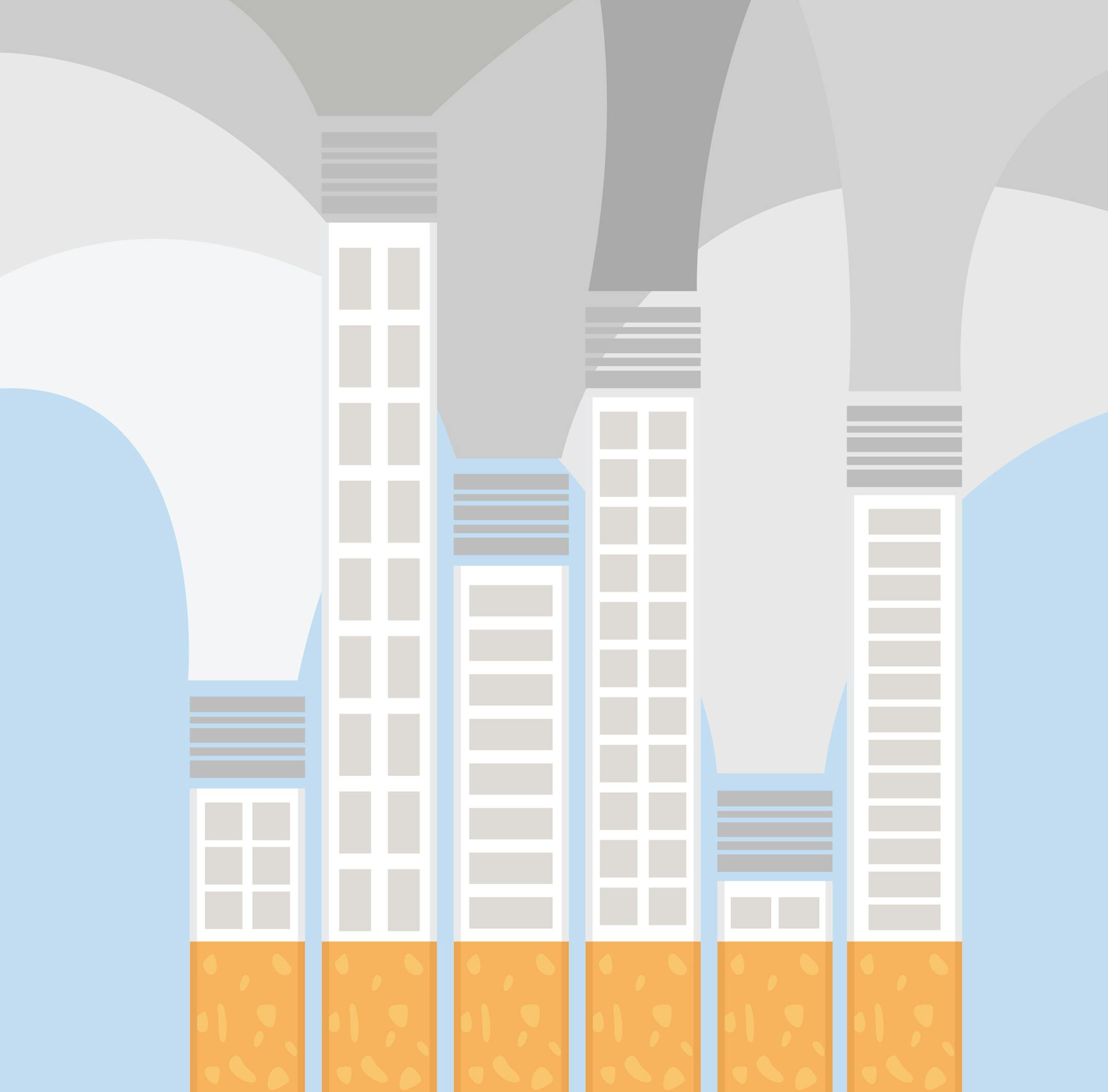
This summer the University of Minnesota went smoke-free. But did the ban go far enough? Whether you're a heavy smoker or only a casual secondhand smoker, you have more to worry about than cigarette smoke.
Last October, the International Agency for Research on Cancer (a United Nations agency) determined that the air we breathe is a leading cause of cancer worldwide, causing 220,000 deaths in 2010. And it's not the cigarette smokers who are polluting the air: It's the cars, factories, power plants, etc.
In other words, burning fossil fuels is an imminent public health risk to anyone living in a region using coal, oil or natural gas. If the university wants to ensure health by banning smoking, why is it so hesitant to divest from the fossil-fuel industry, let alone to wean itself off fossil fuels?
Is it possible people do not perceive fossil-fuel use as a public-health issue, but rather as an environmental issue, a nonissue or something else less urgent than a pandemic?
NICHOLAS THEIS, Minneapolis
HEROIN USE
A full public-health approach is required
The recent summit on heroin use in Minnesota is a good step toward coordinating efforts to address the surge in heroin and opioid painkiller medication addiction ("Heading off heroin," Sept. 5). Unfortunately, the article's focus seemed almost exclusively on law enforcement — the least-effective way to deal with it, according to many studies.
Although mention was made of speakers urging a public-health approach, that approach was given short shrift. It is good that first responders now have naloxone available to give to someone suffering an overdose. Unfortunately, there was that no mention of the desperate need for availability of the only treatment ever proven to work: maintenance on either buprenorphine (Suboxone and others) or methadone. Abstinence-based treatments, such as 12-step programs and others, have repeatedly been shown to be ineffective, leading to further relapses and death.
The World Health Organization and the U.S. government recommend medication maintenance as the first-line treatment for heroin addiction. It's time for state, county and local governments and large health care organizations to step up and commit to making access to buprenorphine and methadone maintenance rapidly available and affordable throughout the state. Access to effective treatment will reduce deaths from overdose more effectively and more cheaply than will increased law enforcement.
MARK WILLENBRING, St. Paul
The writer is an addiction psychiatrist.