

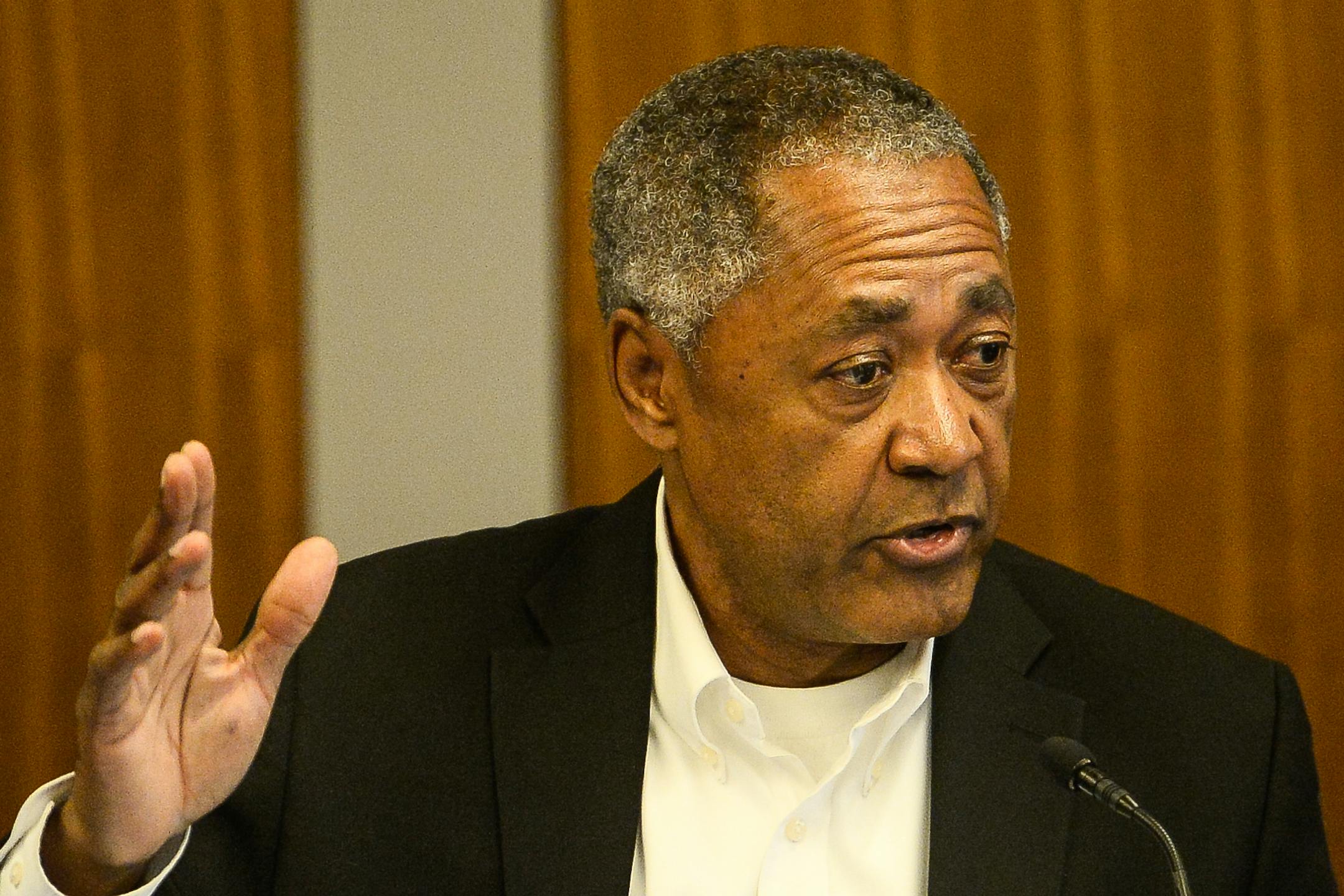
Don and Sondra Samuels and their six fellow petitioners have won their lawsuit against Minneapolis, forcing the city to live up to its charter requirements for at least adequate police staffing and funding ("Judge supports activists seeking more Minneapolis police officers," front page, July 2). The group won this battle in the face of strong activist pressure, funded by people who believe their money knows what's best for our city. The argument of these pressure groups, and the City Council members who promote their mantra, is that the Minneapolis Police Department is irredeemable and incapable of reform and must be defunded and dismantled. As former Council Member Don Samuels pointed out in an interview on Minnesota Public Radio, when city officials make policing itself the target, they send a green light message to the criminal element — already against the police themselves — that they can act with impunity. The main victims of this activist mythology are the residents of the North Side themselves and other hard-hit neighborhoods, as Samuels forcefully explained.
I hope other Minneapolis residents are as proud of and grateful for these eight petitioners as I am. Over the coming weeks, we need to push hard for MPD reform, searching for better ways to reduce community/police antagonism and rein in police bias, brutality and misconduct. There are specific means to do this, as we already know — though they require a lot of real work and sustained resolve. At the same time, we need to take a hard, skeptical look at utopian activist mantras — coming from those planted very far away from actual Minneapolis neighborhoods like the North Side — to revise the city charter, hamstring MPD management with a climate of suspicion, reduce mayoral oversight and generally shuffle money around based on a fundamental animus against policing in general.
That is not the way to solve the grinding, immediate and often tragic crisis of crime and violence that hits the poorest neighborhoods of our city most of all.
Henry Gould, Minneapolis
ENERGY
Fossil fuels are only cheaper if burdensome costs are excluded
Isaac Orr's opinion regarding Xcel's premature retirement of a largely depreciated coal plant is superficial ("Wrong incentives drive wind, solar," Opinion Exchange, June 28). It's true utility returns are pegged off investments. And it's true that capital investments depreciate in value and that returns, consequently, diminish at the same time.
This misses the real problem with returns. That is that utilities and many corporations get to offload many of their costs on the rest of us. They do not have to pay for costs of climate change, costing us more and more every day in extreme, unpredictable weather. They neither are required to pay for the dirty air they spew out causing high levels of asthma nor do they pay for the tremendous medical bills caring for people with asthma. Also, utilities, for free, have spewed dangerous pollutants such as mercury into the air to fall onto our lakes so that now a multitude of Minnesota lakes have advisories about eating fish and swimming. All those expenses and costs are freely given to utilities and many other corporations. The bill is paid for by Minnesota citizens.
That is the real problem. Orr, like a coal plant, blows a lot of smoke around mumbo jumbo like depreciated assets. In the light of clean air, it is easy to see that the retirement of Xcel's coal plant will bring huge benefits to the health of Minnesotans, reduce their medical costs and reduce dangerous pollutants in our lakes, and it shows leadership in dealing with climate change.
Barbara Draper, Minneapolis

