

As a resident of U.S. Rep. Ilhan Omar's Fifth Congressional District, I was interested to read about her plan for social transformation ("Minnesota can lead in social transformation," Opinion Exchange, June 29). I agree with her statement that police officers are perhaps not adequately trained to be the ideal first responders to problems involving substance-abuse disorders and various mental health issues. Investments in health care, education and affordable housing remain the most attractive options to address these structural issues.
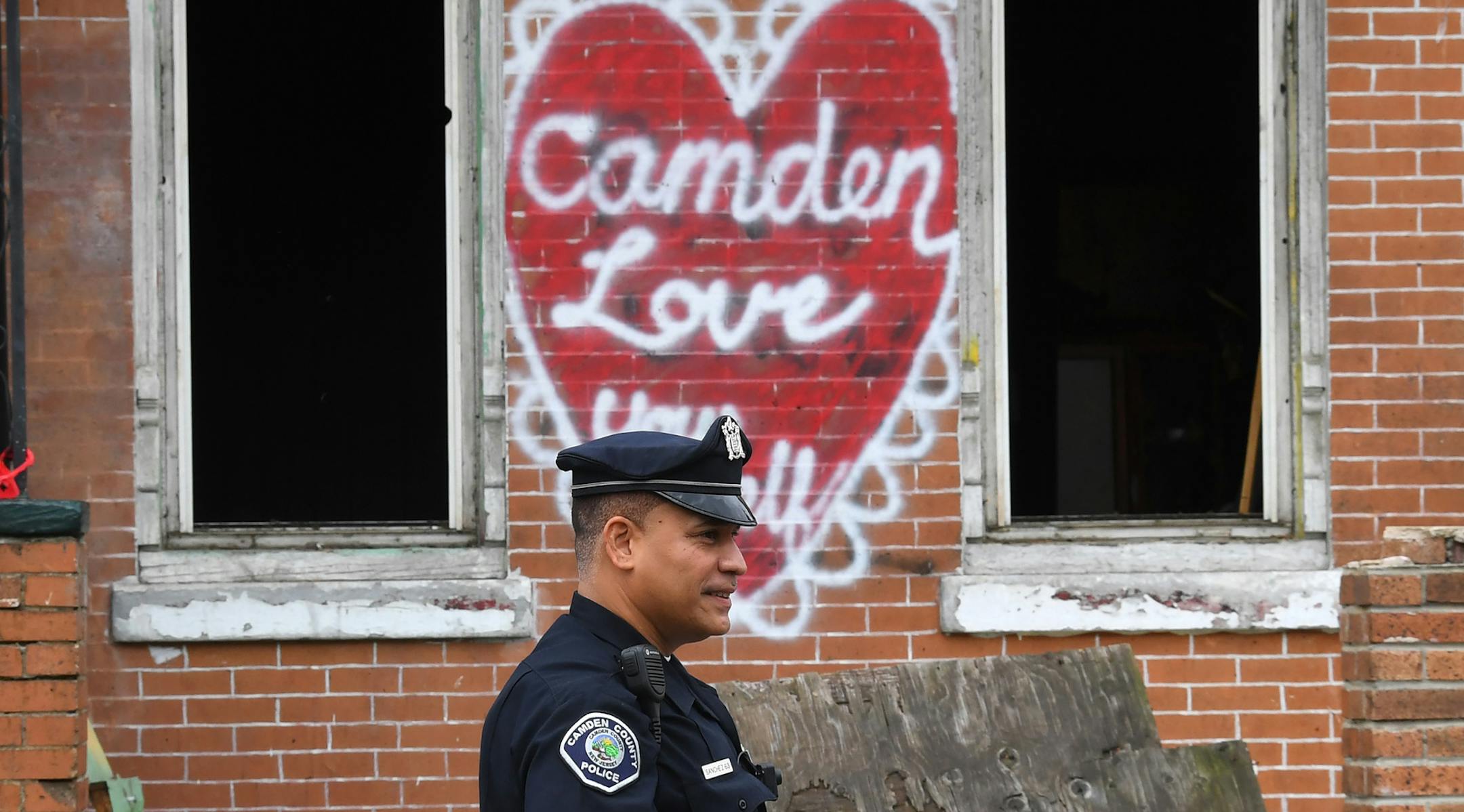
As a teacher in Omar's district, however, I was disappointed that her argument referring to the success of Camden, N.J., as a model for Minneapolis was devoid of any factual detail. Omar noted that Camden "disbanded their police department and as a collective they built a system that made them all safe. It worked." She would make her argument more convincing if she included the following facts: Camden dissolved the police union, fired all of the officers who didn't quit, forced officers to reapply for jobs in the Camden County Police Department and, importantly, increased the total number of officers serving the city from around 300 to over 400. These officers also received mandatory training through a de-escalation mentoring program and were later required to intercede if another officer was using force inappropriately.
Strong arguments also acknowledge other points of view or other examples that run counter to one's position. Here, Omar could perhaps bring more people to her side if she acknowledged the failed attempt at a police-free zone in Seattle as well as the situation in Powderhorn Park (in her own district) where shootings, violent crimes and sexual assaults have many worried about living in a police-free community.
Matthew Loucks, Edina
• • •
I have hope that a thoughtful approach will prevail before we rush to a vote on the proposed Minneapolis city charter amendment that would create a new Community Safety and Violence Prevention Department and remove the Minneapolis Police Department. The July 2 Star Tribune reported that Black community leaders, a coalition of business and property-owner groups and even the Minneapolis Charter Commission have all raised serious questions about the proposal ("Voices of dissent on ending MPD," front page). I agree that major police reform and department restructuring are needed, but I will not vote for a half-baked change to our city charter (akin to our Constitution). The problems with the Minneapolis Police Department are complex and require complex analysis and solutions.
The framework of the amendment addresses needed institutional changes, but I'm not convinced the City Council has thought through the details or the unintended consequences of their proposal. An example is the portion of the amendment that reads: "The Council may maintain a division of law enforcement services, composed of licensed peace officers ... ." I'm uncomfortable with any city charter amendment that contains the word "may," especially when it comes to something as important as providing for the safety and security of Minneapolis residents. It leaves open the possibility of major changes depending on the whim of City Council members. I will not vote for an amendment that includes a "details to follow" clause.
Steve Millikan, Minneapolis
• • •
The June 30 edition of the Star Tribune carried an opinion from a Winona school board member, Karl Sonneman. The missive: "I have no regrets about removing SROs from school."
Sonneman's commentary, though well-intended, misses one important point. Sonneman has not taught a class in the Winona Senior High School. He has not experienced the "show" of a girl throwing a forbidden cell device at the teacher collecting it or a disruptive student.
Well, I have had such an experience, before school resource officers were contracted. This dodger was able to handle the matter, but do not think the event was not unnerving.


