

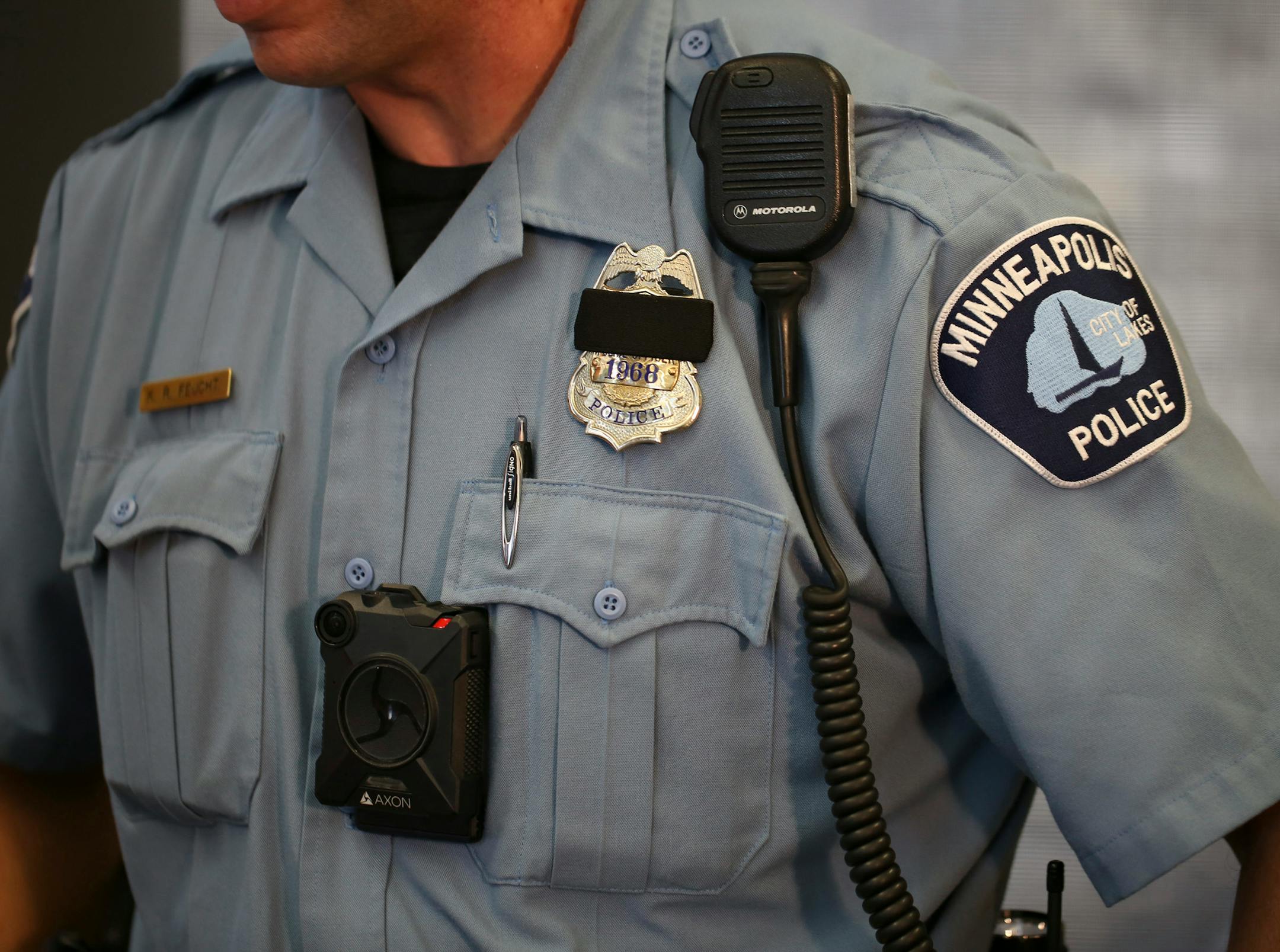
The story about body cameras ("Police body camera reform spotty," Dec. 29) revealed some logic that is hard to accept. Body cameras became popular, if not necessary, to document the actions of both police officers and the public. Cameras have limitations as to how they record a scene regarding their clarity, angle of view and sound qualities. But to use them as a behavior therapy tool, as suggested by the League of Minnesota Cities, is faulty logic. First, who appointed the league to be some recognized authority for police policies? Departments must create their own policies based on many aspects of their unique size, demographics, resources and history. Departments being pigeonholed by some national guidelines is also erroneous thinking.
Turning on cameras only for emergency calls ignores those calls that started out as nonconfrontational but turned into something much more. This is the same faulty logic as the so-called "routine traffic stop." Any contact with the public should be documented.
The notion that "bad cops" should wear cameras as a behavior modification tool becomes a quagmire for policy benchmarks. If you have cops with a history of lying both on and off the stand plus other violations, why are they working for your agency? Cameras shouldn't be used as a stigma to keep officers in line. Shall police departments become judged by how many officers are required to wear body cameras? No. It has to be a department-wide approach — all or nothing.
A responsible department must always be mindful as to how its policies are working. To "reform" doesn't mean something is wrong. It means you are constantly raising your standards to optimize your public safety mission. This includes body cameras.
Joe Polunc, Waconia
The writer is a retired deputy sheriff.
•••
A couple of recent letter writers have argued that Daunte Wright brought trouble upon himself by neglecting to comply with police orders. This attitude fails to acknowledge the distinct dangers that Black citizens, especially young Black men, encounter when interacting with law enforcement.


