

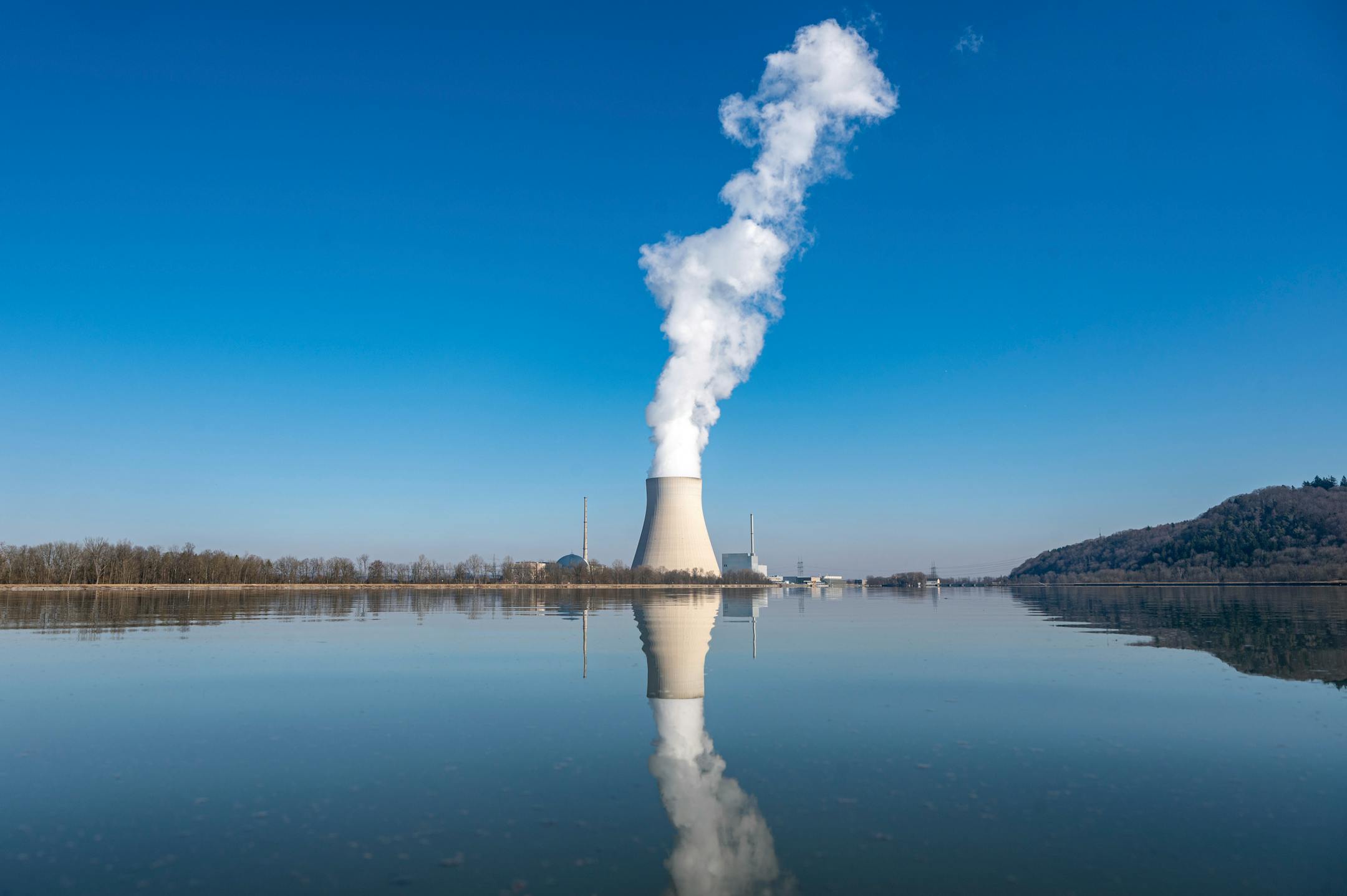
One of the main problems with nuclear power is the size and complexity of gigantic central plants. It has been shown that factory-manufactured smaller reactors are safe — think about the nuclear powered subs, aircraft carriers, etc. Nuclear-powered vessels have been operating since 1955 with a good safety record. A group of small, prepackaged (modular), below-ground plants is a better solution than a large, complex, central unit. The reactors would be assembled in a manufacturing facility with strict quality control under ideal conditions, unlike large-site built units. By placing these units in a distributed fashion, grid reliability increases. By placing them underground, terrorism events are greatly reduced ("The case against nuclear energy is still powerful," Opinion Exchange, April 14).
It appears Finland has developed a way to safely store the spent fuel. A number of well-done technical articles can be found online by searching for "small nuclear reactor." Westinghouse and several other manufacturers are developing this technology.
Personally, I have and continue to fully support the application of renewables (especially solar photovoltaics) and conservation. However, I believe small nuclear reactors are a good complement to renewables as part of a solid energy backbone, if executed properly.
Martin Lunde, St. Anthony
•••
I read Ron Way's piece "Times change. Minnesota's nuclear moratorium must end" (Opinion Exchange, April 11) with great concern. Times have changed, but nuclear power is not safer and is still contaminating the environment. Nuclear energy is creating new problems with war exposure at Ukraine's Chernobyl plant. Uranium mining, processing and transporting continue to release radioactive isotopes into our land, air and water.
Years ago we worked to stop the construction of new nuclear power plants in Minnesota, which eventually led to a moratorium. We showed that renewable energy could provide for our future energy needs better and safer than nuclear power could.
There is no safe level of nuclear exposure. A National Research Council report on the issue says "there is a linear, no-threshold dose-response relationship between exposure to ionizing radiation and the development of cancer in humans." Nuclear waste remains an unsolved problem. Highly radioactive fuel rods still pile up on nuclear power plant sites and are vulnerable to enemy attack.

