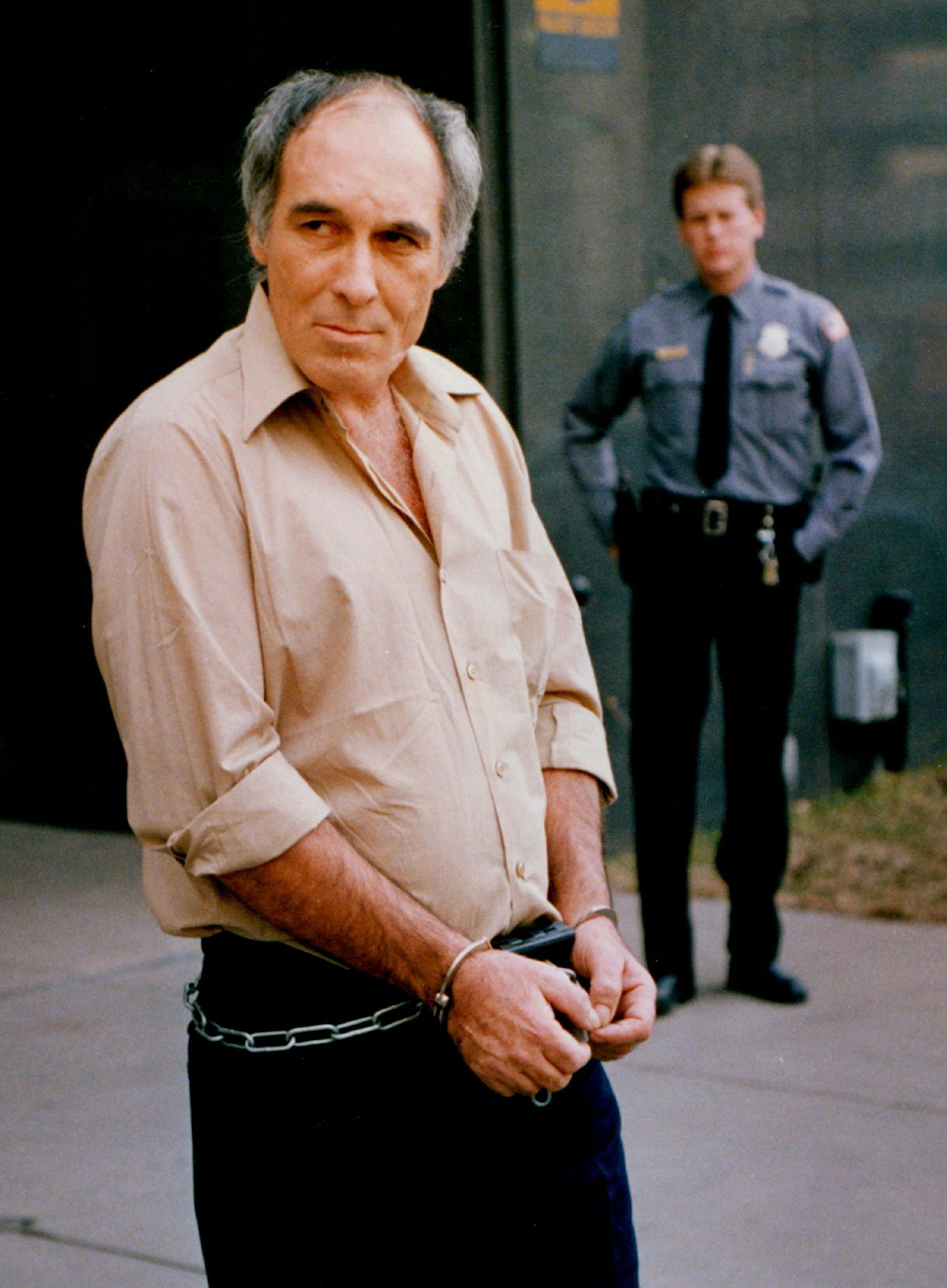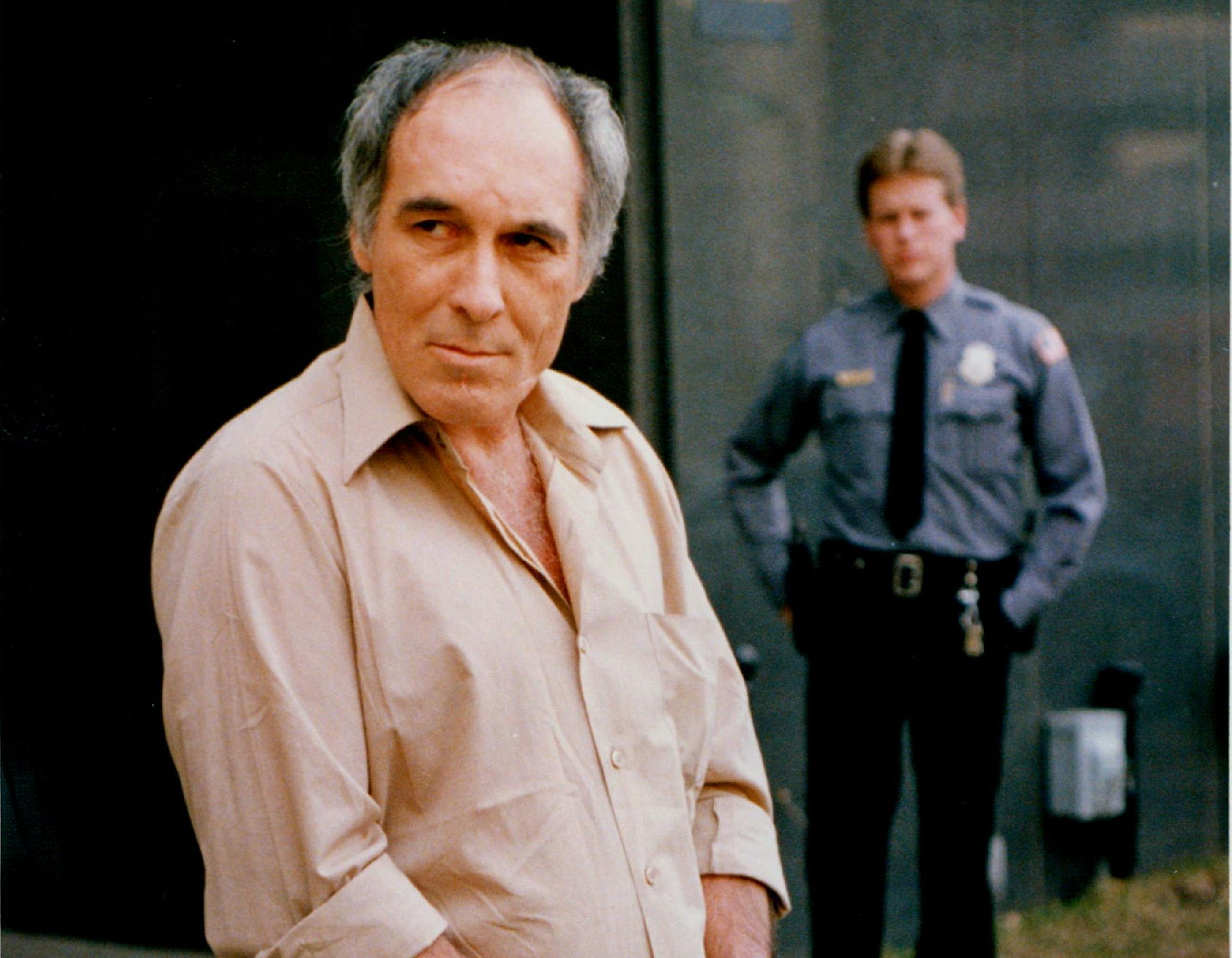
Hennepin County Attorney Mike Freeman is wrong about the case of Billy Glaze ("Serial murder retrial opposed," Nov. 1). I always thought that Glaze, who was convicted as a serial killer in the 1980s and is serving three life sentences, did not kill those American Indian women. Now Freeman argues that Glaze waited too long for a DNA appeal.
Recently, in another state, a man was freed after serving 35 years for a murder he did not commit. Meanwhile, William Heirens died last year in an Illinois prison after serving more than 65 years. According to an "American Justice" program with Bill Kurtis, a former newscaster on Chicago's WGN-TV and WBBM-TV, there was no physical evidence linking Heirens to the crime. Heirens claimed he was forced to make the guilty plea to avoid a death sentence.
Circumstantial evidence is not sufficient to justify locking one up for life.
Kenneth Sachs, Minnetonka
CITY STREETS
Parking is the issue in Minneapolis, St. Paul
I agree with Minneapolis City Council Member Lisa Goodman and Council President Barbara Johnson in their questioning of the monetary outlays for bicycle routes within Minneapolis, at least under its current structure ("Council chewing on budget," Oct. 31). Contrary to recent letters to the editor ("Council members, listen to your mayor," Oct. 31), I applaud Johnson and Goodman for being the grown-ups in the room on this issue.
A roadway's upkeep and plowing is paid for by users via gasoline taxes, tire taxes and property assessments. There is an incoming revenue stream to support the infrastructure.
The staunchest supporters of bicycle paths overtaking city streets have absolutely no vested financial interest. It is something for nothing. That group's stance is simply fiscally unsustainable, and will fail.
A smarter path for the city, one that would require vision and would benefit many, not just a select group, would be to tackle parking on city streets.
If alternate, fiscally viable, off-street parking became available in older, high-density neighborhoods, the streets would widen simply by the lack of parked vehicles on them.