

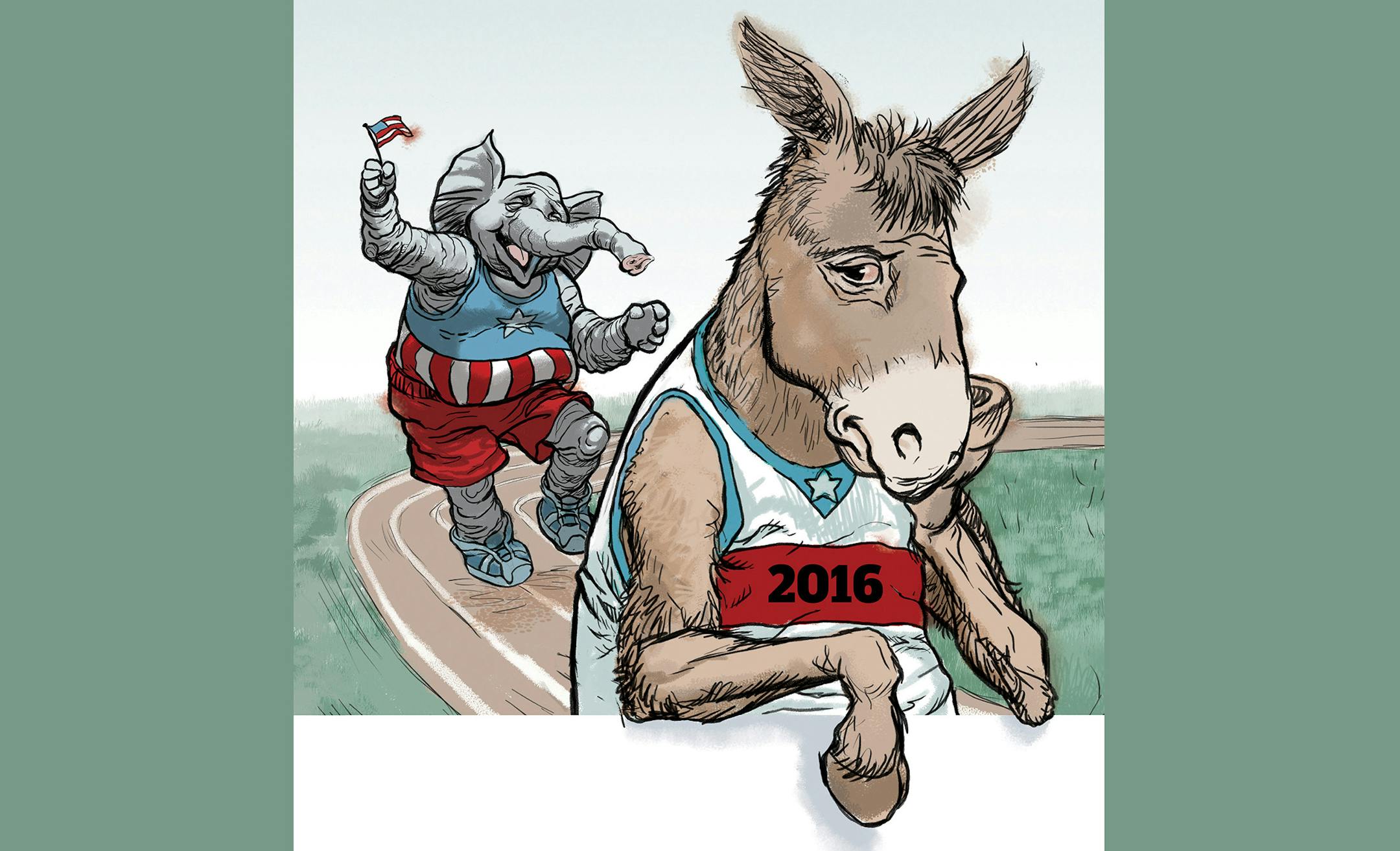
While U.S. Rep. Collin Peterson says the Democratic Party doesn't "get it" ("Collin Peterson: 'Our party is in denial'," Nov. 26), I don't get Collin Peterson.
He has a point with gerrymandering and its impact on the election. He is correct that many segments of our country did not adequately appreciate the economic distress, anger and frustration of rural white Americans — and that attention must be paid.
But when he says "we have become a party of assembling all these different groups, the women's caucus and the black caucus and the Hispanic caucus and the lesbian-gay-transgender caucus and so forth," what's his point? That we should back away from efforts to achieve equity and inclusivity? That these groups don't have legitimate issues? That we should further divide our society into yet another dichotomy: rural vs. urban? His response is that his constituents have "a different lifestyle, and they don't want to change it. They're happy with the way things are." Really? Unfortunately we all have to change — and we need leaders who can help us bridge the gaps among all groups.
Joanne Disch, Minneapolis
• • •
With "Democrats" such as Peterson, Republicans are redundant.
That much is obvious. More interesting is that while he says that urban people don't care about farm policy — some of us do, actually — and implies that we should back whatever rural America wants, nowhere does he suggest that his constituents should have the slightest interest in urban problems or try to understand them.
As one who spends some time every year in farm country, among the good rural people, I am very aware that many rural folks know almost nothing about urban life other than what they see on television crime and cop shows, which they tend to take as accurate depictions of city life. (No, there has never been a shooting in my neighborhood in the 32 years I have lived in my city home.)
The interest and the concern should go both ways. Oh. And rural American should recognize the fact that the flow of tax money is very much from urban to rural areas, not the other way around.


