

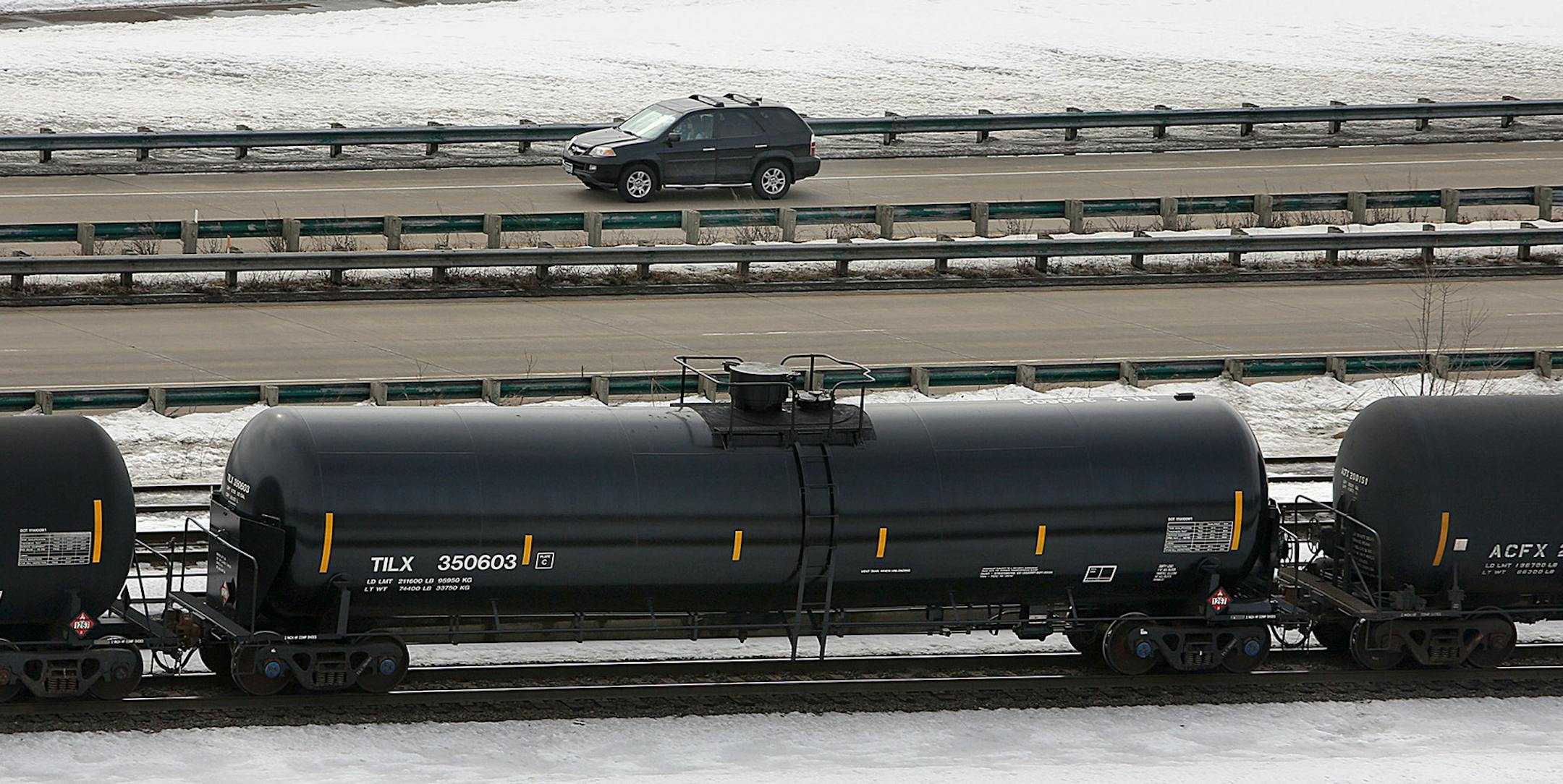
This paper's editorial page continues to dismiss the significant efforts the railroad industry is undertaking to reduce risk when moving hazardous materials, which it has no ability to refuse under federal common carrier obligations ("Keep pressing on rail safety after accidents," editorial, Nov. 15).
I spent my 38-year career directing BNSF Railway's environmental and hazardous materials programs. I read with dismay the calls by the Star Tribune Editorial Board and some elected officials for the misguided solution of taxing railroads for overpasses and underpasses. They claim it will make shipping crude oil safer. It won't. Collisions between trains and motor vehicles at crossings cause trains to derail only 1 percent of the time. The current funding formula for government and railroads for these improvements is well-established and fair.
Safety measures for shipping crude oil by rail include using safer tank cars, reducing speeds, maintaining track and equipment, and using improved inspection technologies to identify defects. Strategic research by industry, government and universities helps us improve transportation safety. I saw firsthand how proactive actions reduce the likelihood of a derailment. It is good business to reduce the threat of releases.
Railroads are achieving the best safety records in U.S. history. Taxing them more won't make shipping crude oil safer.
Mark Stehly, White Bear Lake
HEALTH INSURANCE
Well, surprise! People who get insurance avail themselves of it
Is anyone else confused about the most recent UnitedHealth Group announcement besides me ("Insurer sours on exchange markets," Nov. 20)? I am a retired RN who worked for many years in public and community health venues. UnitedHealth says it may have to pull out of the MNsure exchange because people who had paid for policies this past year were using the policies too much. This is a major corporation with great minds that have access to lots of data. If those great minds couldn't mine that data to determine that people who had not been able to afford insurance in the past would use insurance once they had it, someone at UnitedHealth could have called any RN working in community health centers or public health and have been assured of it.
We know where some of the money goes that people pay in premiums to UnitedHealth — large corporate buildings, high administrative salaries, etc. But when people use their policies in greater amounts than predicted, the company threatens to pull out of the exchange? How about paying some of those corporate execs less, using some of the vacant real estate in the area instead of building new buildings, paying shareholders a little less, and actually delivering on health care to those who need it most?
Pauline Cahalan, Roseville
WORKPLACE RULES
One begins to see why it would be better done at a higher level
The insightful examination of Seattle's new mandatory sick leave law for most workers in that city ("Seattle putting mandatory sick time to a healthy test," Nov. 15) correctly notes the "fierce resistance" that a similar proposal has met in Minneapolis, bolstered by threats from the business community that its enactment "could force them to relocate."
The opposition, which has prompted Mayor Betsy Hodges and other city officials to back off, at least for the time being, can be defused by a broader approach to the legitimate interests of workers and their families. The way to neutralize the business community from using threats of moving out or limiting expansion if sick leave is required is to adopt such a measure at the state level. Doing so would not only serve the important and salutary policy of giving modest sick-leave opportunities to employees, but it also would negate the intimidating strategy of frightening public officials with the specter of loss of businesses, much the way professional sports owners do likewise in seeking public expenditures for their stadia.


