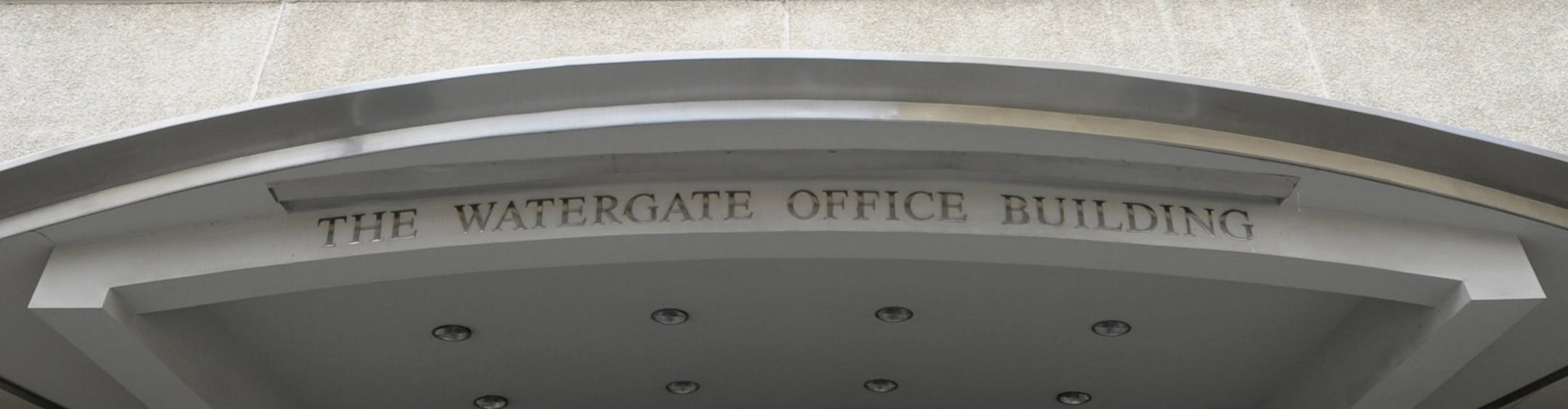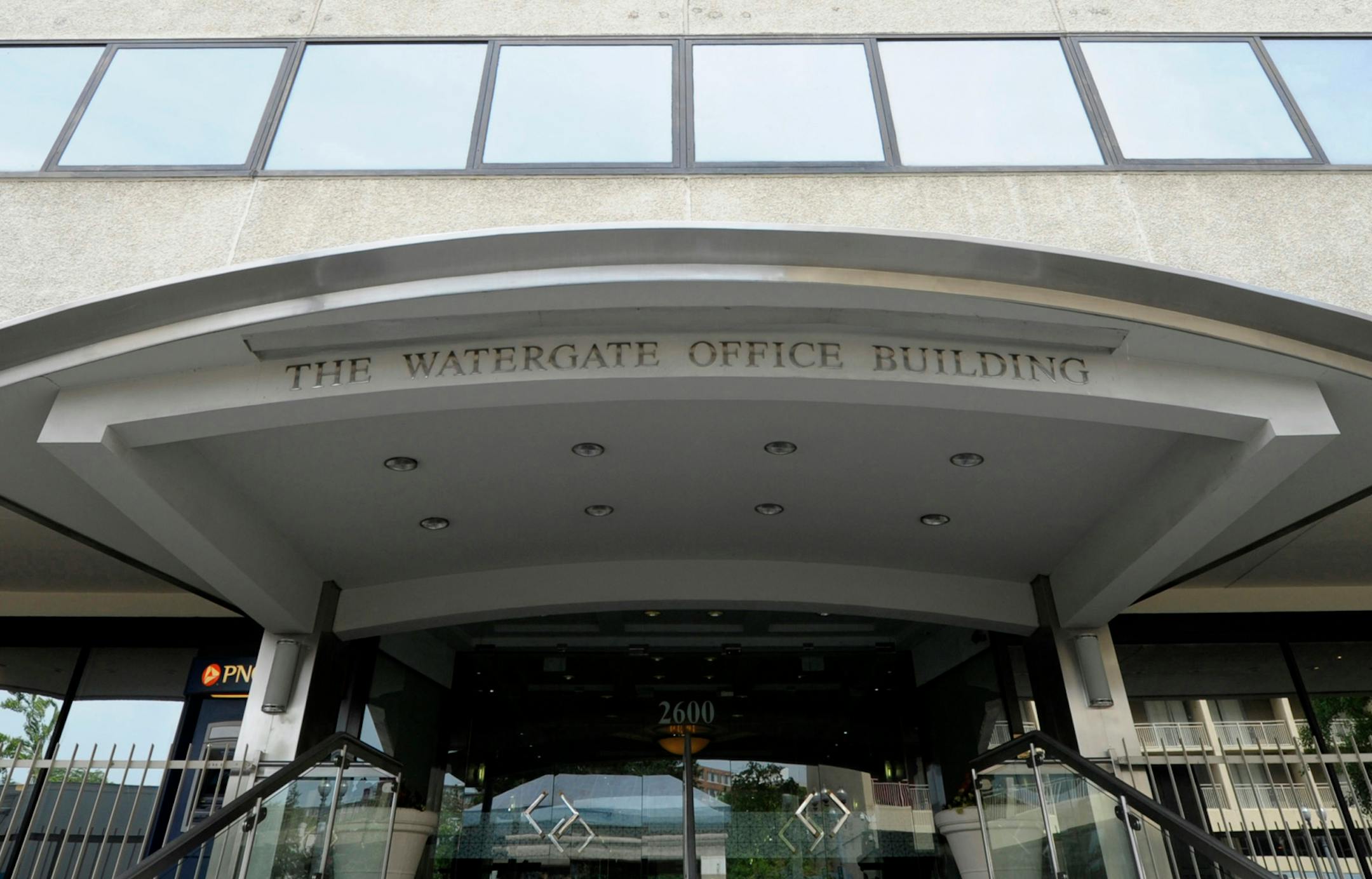
This summer we marked the 40th anniversary of one of the darkest events in American politics — the resignation of President Richard Nixon due to his administration's efforts to cover up the burglary at the Watergate office building. There are many legacies of that series of events, but easily the most persistent, and quite possibly the most annoying, is that 40 years later, whenever anybody at any level of government does something wrong, the media quickly labels it _________gate.
I am not really sure how this lack of creativity came about, but come on; get out your dictionary or thesaurus. We don't need another 40 years of you-name-it gate.
Tom Baumann, Isanti, Minn.
HIGHER ED
Costs, internal conflict are stopping progress
A Nov. 10 counterpoint ("Again, why have college costs outpaced inflation?") was right on target. I was interim president of the University of Minnesota in 1988. One of the reasons I left higher-ed administration was because of frustration with trying to make substantive changes within the constraints of the academic culture. While tenured faculty have some of the most secure jobs in our society, they are risk averse. Look at what is happening to Minnesota State Colleges and Universities Chancellor Steven Rosenstone as he tries to make overdue changes ("Chancellor defends crash course in change/MnSCU faculty revolting against Rosenstone's plans," Nov. 9). Couple this with no significant focus in higher education on making real productivity gains for a long time.
Why shouldn't we expect the same productivity gains in our colleges and universities as we expect from most every other sector of our economy? Freezing tuition is not enough. We need to reduce costs for students in a major way or we will keep disenfranchising more and more young people from the opportunity to obtain a higher education.
Richard Sauer, Blue Springs, Mo.
• • •
Recently, there has been a cascade of "no confidence" votes by MnSCU faculty at four- and two-year schools and by students at those schools. As a reaction to those votes, Chancellor Rosenstone called for mediation and tried to suggest that rejection of mediation on the part of the unions demonstrated their unwillingness to work with him. However, as a member of the Inter Faculty Organization board of directors (and presumably someone who would vote on accepting mediation), the first I heard about mediation was through the press, rather than from the chancellor. Further, there was no follow-up from the chancellor beyond his news release. This exemplifies why we don't trust him, and why we called it a "bad faith" offer.
Roger Severns, North Mankato, Minn.
VETERANS
Could Congress pass a GI Bill today?
As a Vietnam vet (U.S. Air Force) who also advised many veterans at the University of Minnesota during the last 20 years, I want to thank the Star Tribune and Kevyn Burger for the wonderful article on the GI Bill ("Out of the military, into the middle class," Nov. 11). The only thing that I wish had been added was that passage of the GI Bill hinged on a single senator's vote in conference committee. Had this bill been proposed today under our present Congress, it is very doubtful that it would have passed. Where would our nation be then? This was perhaps the greatest piece of legislation in the history of our country. It created the middle class.
Phil Stedje, Minneapolis
SCHOOL SUSPENSIONS
Single parents can do just fine, thank you
Families come in all sorts of shapes and sizes. To say the discipline problems in our schools are the result of not having both a mother and a father in the home (Readers Write, Nov. 11) is preposterous. I raised two children as a single parent, and neither child ever got suspended from school. They have both grown to be honest, reliable, productive adults. Perhaps we need to look at the quality or lack thereof of parenting in order to find ways to reduce suspensions and truancy.