

•••
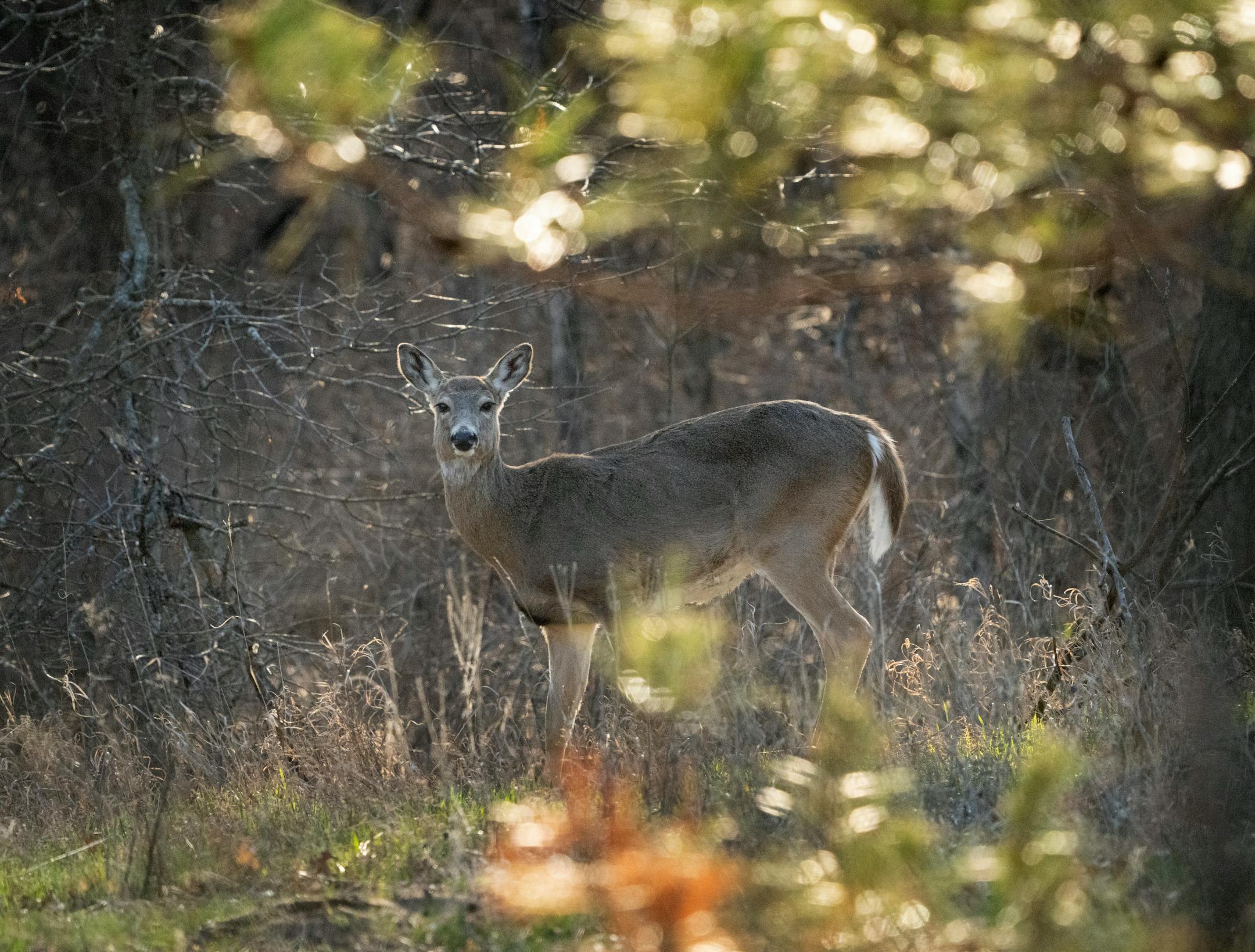
Thank you for the excellent reporting on the studies on neonicotinoids in the deer population of Minnesota ("Majority of deer exposed to toxin," Sept. 11). What I found most revealing was that the "deer taken in the thick woods of northern Minnesota were just as likely to have neonicotinoids in their systems as those taken among the vast corn and soybean fields of southern Minnesota." And, scientists don't know why! This is alarming, and it makes me think. These wild animals aren't directly eating the crops on which this insecticide is used. Yet, even deer from the Boundary Waters have neonics in their system! What does that say about the amount of neonicotinoids in the farmed animals that directly eat the crops that are sprayed with neonics? What damage are they doing to those animals' health? Have studies been done on that?
And, when will someone study the amount of neonics found in humans who eat those crops and the animals that fed on those crops? In this case, I'm afraid the deer is the canary in the coal mine.
Mark Robinson, St. Paul
•••
I appreciate all the attention being given to greenhouse gas emissions and the havoc they are creating, but there is another story that is totally underreported: the killing of our pollinators by neonicotinoids. This summer, when I see the occasional butterfly, it makes me sad rather than joyful because I think of all the others I used to see. And there are very few birds on my backyard bird feeder — all the bugs they needed to feed their young have been wiped out, so the chicks perished. When our pollinators are gone, will we be happy eating only corn and soybeans? Farmers in Europe have learned to grow crops without neonicotinoids — ours can too!
Perry Benson, Minneapolis


