

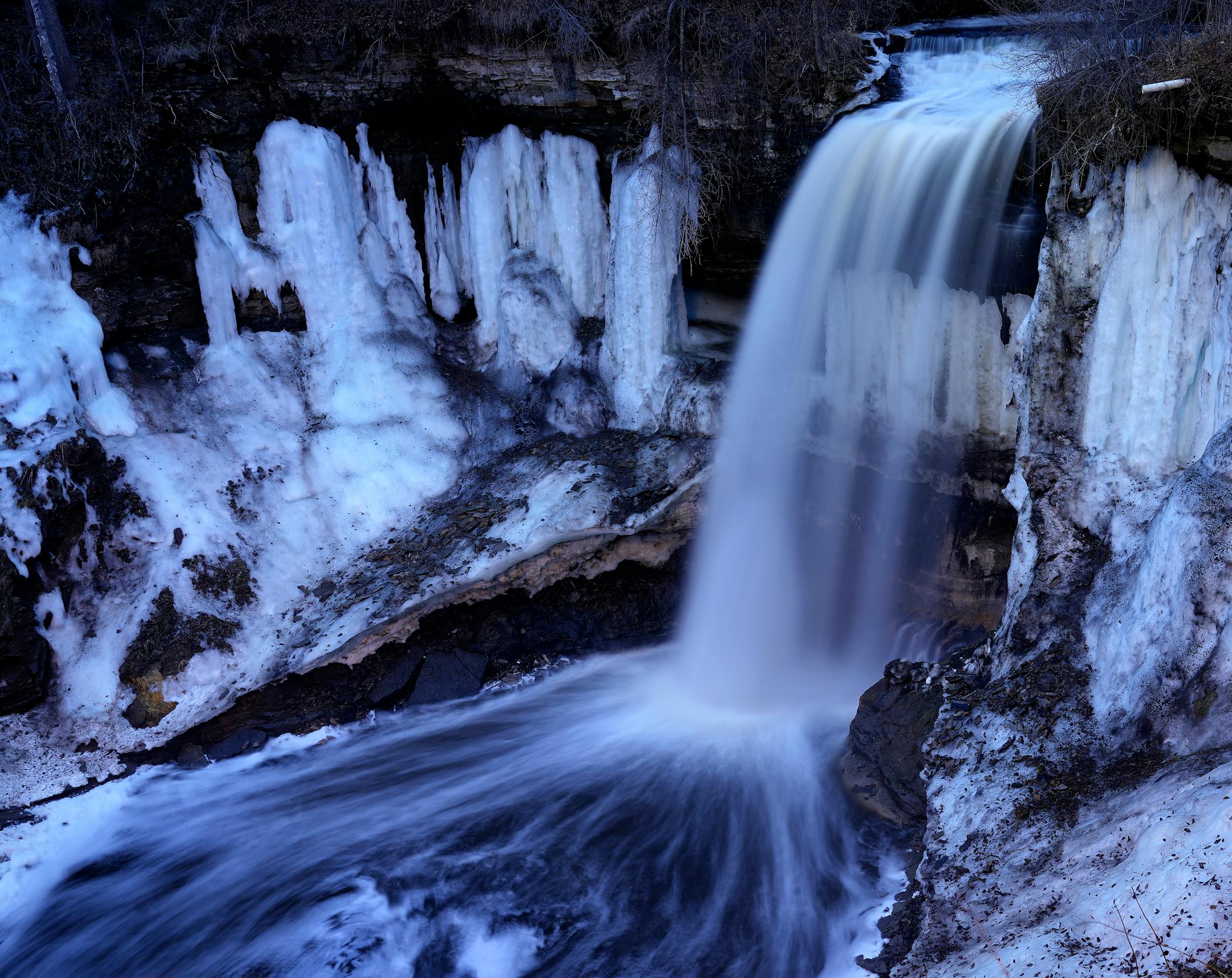
On the cover of the March 23 Minnesota section was a majestic picture of our ice-sheathed, rushing, tumbling Minnehaha Falls ("Snow, rain lifted much of Minn. ought of drought"). That white PVC sewer pipe visible in the upper right corner of the photo cannot be unseen. It is much worse when viewing the falls in person. Once noticed, it is many times worse than the big, red zit on the tip of my nose.
Dear Park Board people: Get a hand saw and cut the pipe flush with the cliff face. Paint the inside 18 inches brown or green. The crowds of people who visit our falls throughout the seasons will no longer have to Photoshop that pipe out of their visual recordings.
Bill Holden, Minneapolis
'CEO PAY WATCH'
The injustice of it, from a shipping standpoint
I would normally not comment on the "CEO Pay Watch" column in the Business section. However, the March 24 article that celebrates the compensation of Robert Biesterfeld — CEO of C.H. Robinson Worldwide — was particularly annoying because Mr. Biesterfeld's income/bonus and his company's enormous profits are the result of the world's supply chain issues and subsequent outrageous runup of costs that people like me and my customers have incurred.
I am in the textile and apparel business, and in 2021 I imported roughly 30 containers of mostly fabric that I supply to various sewing operations around the country. A 40-foot container that cost $3,000 two years ago is now $15,000 to $28,000. C.H. Robinson benefits from this massive cost increase, while my customers and I have to take it on the chin.
My suggestion to the Business section editors is that rather than glorify executives like Biesterfeld, do some investigative work and find out why they are allowed to be making exorbitant amounts of money on the backs of importers like me.
Steve Sitkoff, Minneapolis
TRAINS
As the long view shows, yes to two-person crews
The Minnesota Legislature is considering bills requiring freight trains to carry a two-person crew. Those opposed to such requirements cite technological improvements in safety not only for rail transportation but also trucking and automobile transportation. Those favoring such legislation cite changes in the length of trains and increased amounts of hazardous materials that trains carry.


