

•••
Recent Star Tribune coverage on the issues surrounding the City Council's veto of recruitment and retention bonuses for the Minneapolis Police Department has been superficial, creating more division than illumination ("Council vote rejects bonuses for police," Nov. 18). A deeper look is needed to resolve the contention among city officials, police and residents about how to create a safer Minneapolis for all.
What happened to former Chief Anthony Bouza's vision of a more effective, accountable police force that was more integrated within communities? I remember in the 1980s and 1990s when large numbers of young people were going into law enforcement. Why is the Police Department having difficulty attracting and retaining officers? I think some of the reasons are obvious: First, no amount of money can compensate police officers or their families for the physical and emotional injury from facing potentially life-threatening conditions every day in a city awash with guns and organized crime. In the breakdown of the relationships that officers used to have in their communities, they often don't have the trusted relationships that helped them navigate their territories. Second, there has been a rigidly hierarchical top-down management style that has hindered flexibility, accountability and innovation. I am certain the officers themselves can think of many more reasons for poor recruitment and retention.
The Minneapolis Police Department undoubtedly needs more money given the expansion in self-monitoring and other demands being placed on it. I would like to see officers rewarded for their difficult work. Similarities to the recent pandemic are abundant. People in front-line service positions experienced high rates of burnout. A tremendous amount of money went to compensate businesses and institutions for loss of revenues. A tremendous amount of money was also spent on fraudulent or peripheral businesses. So, handing out money irresponsibly does little to solve problems. However, the largest driver of loss of medical personnel before, during and after the pandemic is principally a result of the bureaucratic erosion of the core principle of healing in medicine, which cannot be achieved by applying checklists to humans and ignoring the multiple factors contributing to their chief complaints. As in medicine, many of the remedies to the problems plaguing the police will come from the officers themselves. I'd like to hear from them.
Sara Langer, Minneapolis
•••
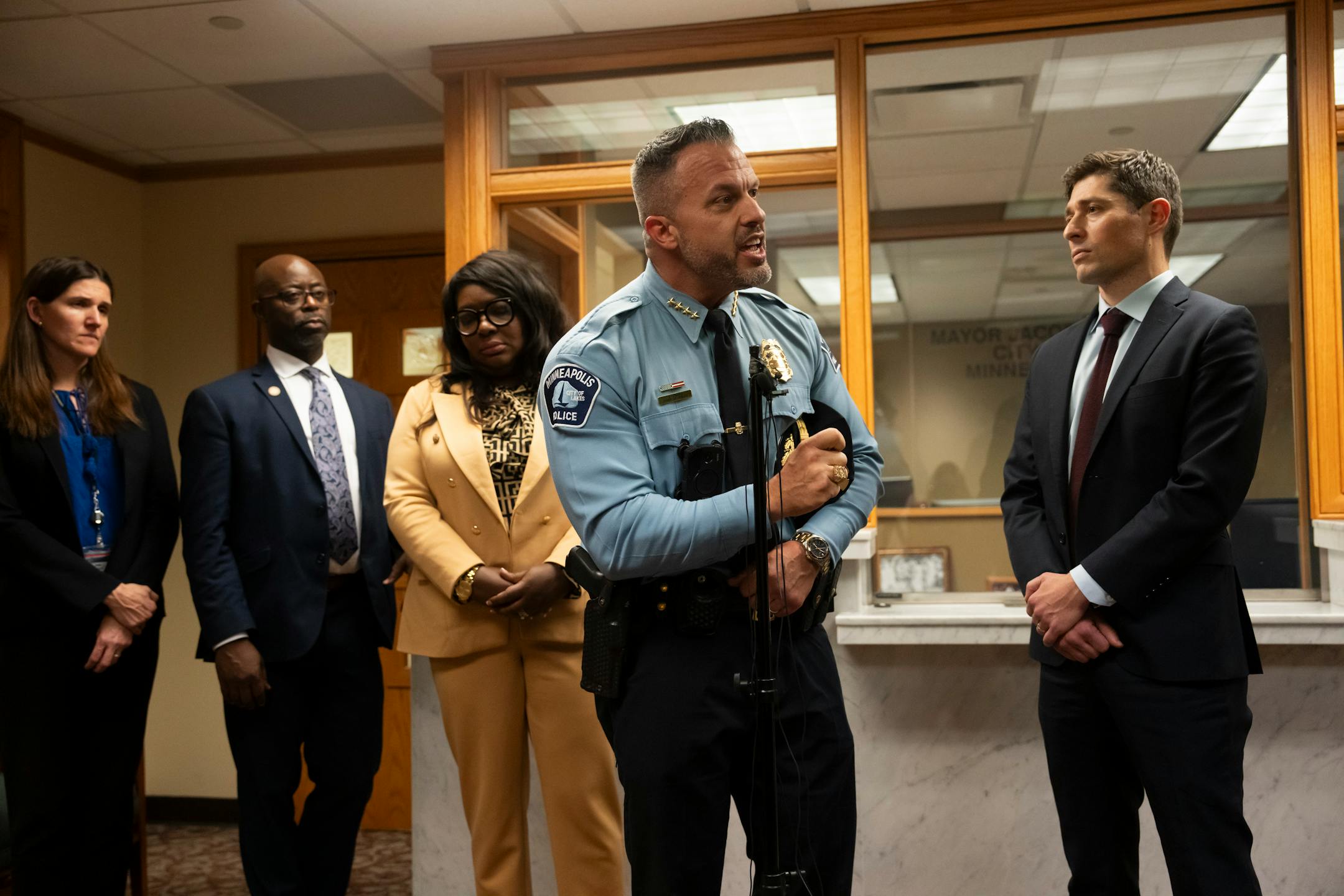
Regarding the City Council's vote to reject a $15 million package for signing and retention bonuses for police, the council is being criticized unfairly. Mayor Jacob Frey forced a vote on this single issue right when the council is currently deliberating how to use a $19 million pool of state funds in the broader city budget, the same pool the mayor's plan would pull from. How to use $19 million is something that needs to be deliberated carefully, based on data-driven solutions, not just throwing money at a problem at the mayor's behest and crossing our fingers. Signing and retention bonuses might incentivize officers if all else were equal, but pay is not the issue here. Our Police Department's poor reputation and low-morale environment disincentivizes potential officers from joining the MPD. As we continue to work on police reform, we need to stay focused on the long-term vision, not short-term fixes. A portion of these funds can be used to develop violence prevention programs and other alternatives to traditional policing that buttress community safety and trust, while simultaneously reducing the heavy workload of our sworn officers.

