

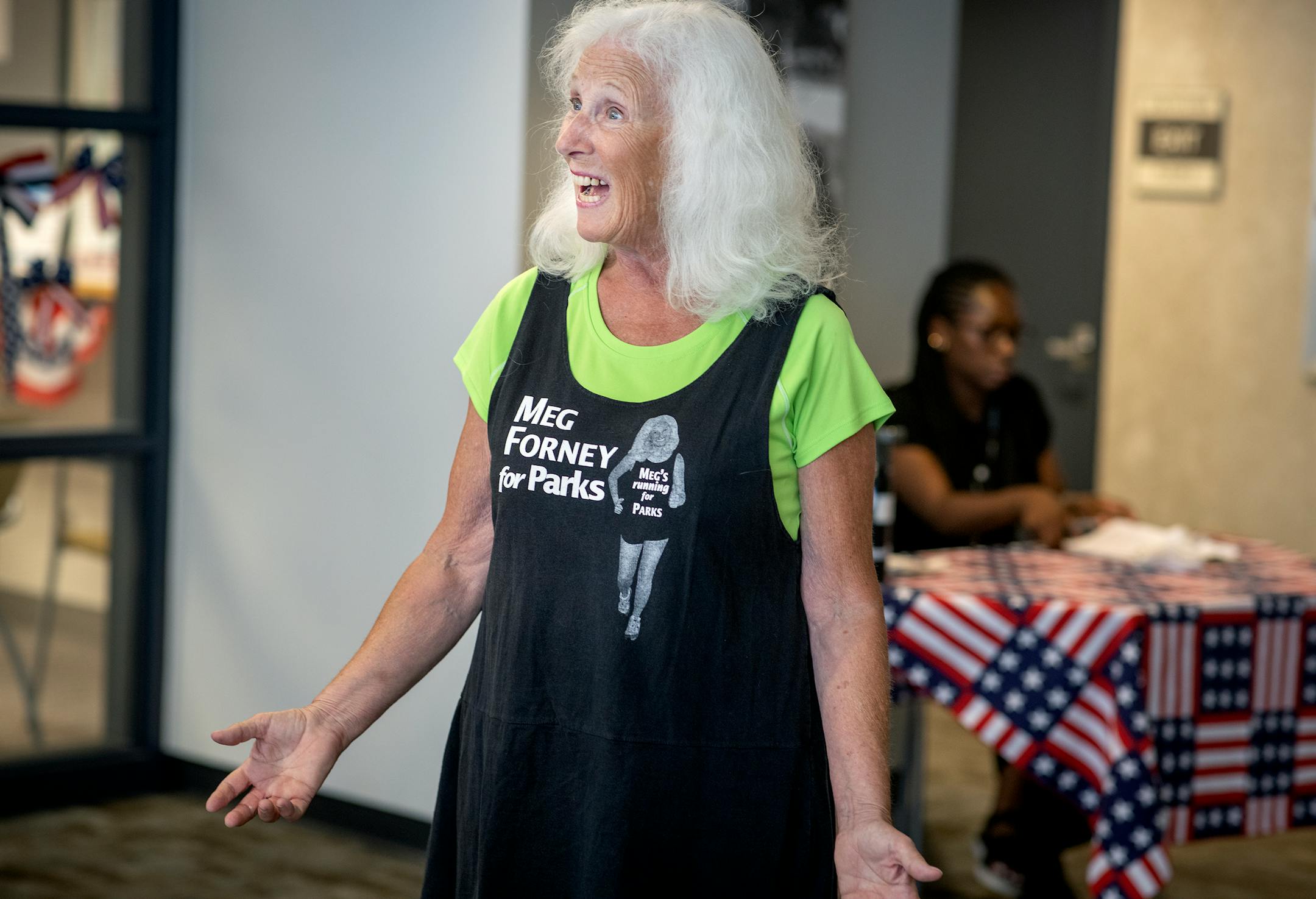
After a very painful foray into utter dysfunction and turmoil at the Minneapolis Park and Recreation Board over the last few years, good governance prevailed in Tuesday's election ("Women take over on Park Board," front page, Nov. 5). When we the people pay attention and educate ourselves about candidates, we win.
The people of Minneapolis recognized the importance of voting for steady candidates to represent us. The park system is vital to the health of our city and has a huge impact on our daily lives, so serving on the Park Board is no trivial matter. The parks have been trampled on due to the conduct of a number of commissioners who've governed with a shocking level of bullying, obstruction and silly parliamentary tricks and pursued actions far afield from the board's mission to permanently preserve, protect, maintain, improve and enhance its natural resources, parkland and recreational opportunities for current and future generations.
In a rather astonishing turnaround, only two incumbent commissioners remain on the board after the election (four of the incumbents decided not to run for re-election). And suddenly, we move from a heavily male-dominated board (six men, three women) to one that will consist of two men and seven women. None of the disruptive, grandstanding commissioners will be serving another term.
The board now has the opportunity to start fresh and leave behind the chaos of the past few years, and we can hope for a more collaborative, sensible and, yes, kind board. Let's watch closely as the commissioners perform their important responsibilities.
Congratulations and good luck to the newly constituted Park Board.
Cindy Greenlaw Benton, Minneapolis
•••
The Hiawatha Golf Course concept plan includes a two-story restaurant/banquet hall, a new golf clubhouse, a small retail building, a 9-hole golf course, a snow-making trail and an expanded parking lot. These enterprise facilities will cost about $22 million to build and the Park Board would fund this via future net profits estimated to be $280,000 annually — a debt load spanning four generations. The concept plan lacks a site plan, a vegetation planting plan and a water management plan so there is no way to assess environmental benefits.


