

•••
I am responding to the article titled, “Will aid in dying put some at risk?” (April 14).
First of all, the position that we, as a state or country, take our cues from Canada when it comes to national or state laws and legislation is absurd. Our laws are not guided or determined by what Canada does or does not do. If they were, many of our laws on a variety of issues, including health care, gun control, immigration and many others, would look very different. The U.S. and Minnesota are not Canada and this state will enact legislation that meets the needs and aligns with the will of its residents.
I also find the argument against medical aid in dying in the name of protecting vulnerable populations highly ironic. According to the dictionary, vulnerability is “the quality or state of being exposed to the possibility of being attacked or harmed, either physically or emotionally.” I would argue that giving dying patients no choice, voice or control over their final days, rendering them powerless over their own body and forcing them to suffer against their will actually makes them immensely vulnerable. By not passing this legislation, it will indeed be the most vulnerable who will continue to suffer. Who is protecting them? A person’s last day on this earth should not and does not have to be their worst. We can do better for terminally ill Minnesotans!
Françoise Willems-Shirley, Hopkins
•••
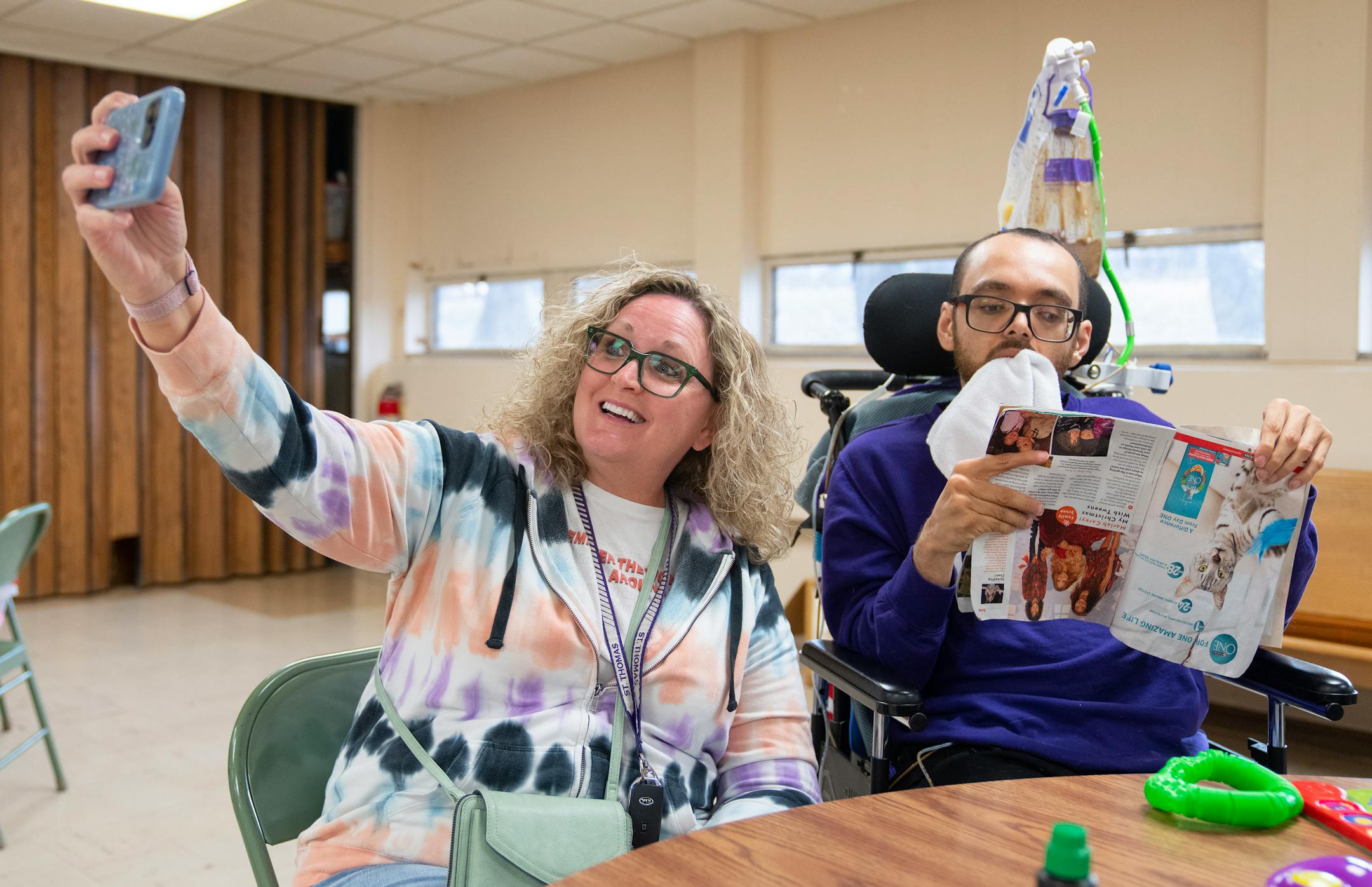
Kathy Ware (in “Will aid in dying put some at risk?”) wonders what will happen to her vulnerable son Kylen when she is dead and gone, if the state enacts a law that would allow medical aid in dying. Would a guardian, she wonders, decide to end Kylen’s life because that is the compassionate thing to do? In other words, would a guardian euthanize Kylen? This question shows a complete and utter misunderstanding of the proposed Minnesota End of Life Options Act, now being considered in the state Legislature. Two parts of this proposed law make it illegal to apply it to her son Kylen. First, a person has to have mental capacity to make the choice to use medical aid in dying and a person has to be able to self-administer the medication that would end their suffering. Can Kylen meet either of these criteria? The law is clear and precise in the 10 states that now have medical-aid-in-dying laws — a person must be an adult, with two doctors concurring that they have six months or less to live, have mental capacity and be able to self-administer the life-ending medication. Additionally, the “slippery slope” that opponents always mention is belied by the fact that in the nearly 30 years since this type of law was enacted in the U.S., there is no evidence of abuse, and certainly not any move toward euthanasia. I would ask that Ware take the time to actually read the proposed bill (HF 1930) and after reading it, please explain to me how it would ever be applied to Kylen.

