

Last year, advocated change to the welfare system became a reality with recipients gaining the right to earn a GED and learn valuable skills without jeopardizing their benefits. This was no act of charity but rather a systematic approach to develop a skilled workforce so jobs in manufacturing, construction and other services no longer go unfilled due to a lack of trained workers.
Unfortunately, most of these welfare recipients have no idea that they now have access to education and training.
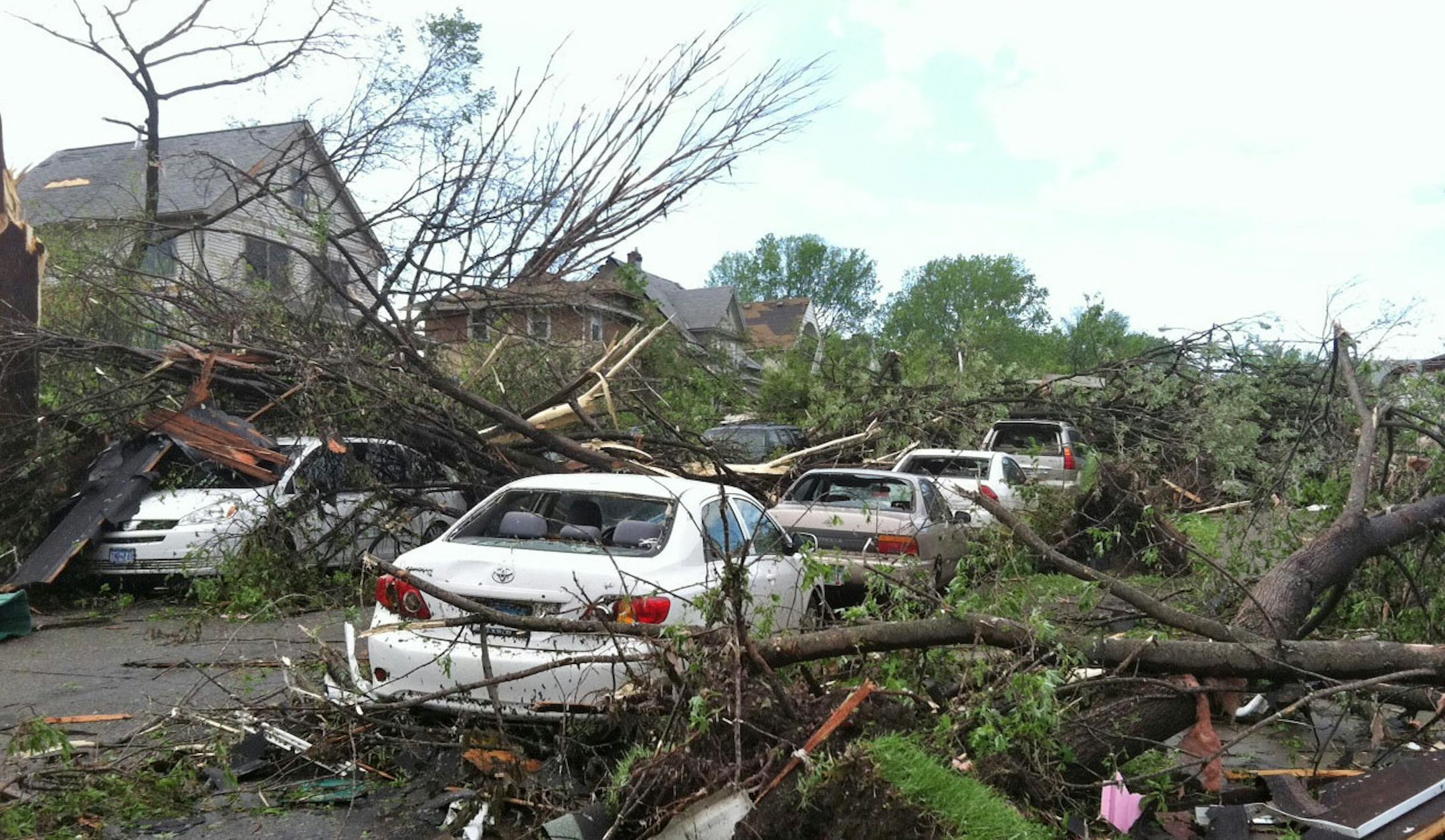
This change is a direct result of the efforts of the Northside Community Response Team, a group of organizations that came together immediately following the 2011 tornado that hit north Minneapolis — where 67 percent of households rely on government assistance — four years ago today, on May 22, 2011.
The integration of people of color into the workforce is not only a moral imperative; it is an economic necessity. Baby boomers are retiring, and there are not enough workers to take their place. And 100 percent of the net increase in the future workforce of this region will be people of color. Without these workers, our economy will suffer even greater racial disparities and loss of Minnesota's gross domestic product, estimated to be more than $18 billion in 2015.
We must inform, advocate and empower the residents of north Minneapolis by setting them on a course to live productive lives with dignity.
We need them to know that there are opportunities for them to become contributing members of society— because we all do better when we all do better.
Louis J. King II, Woodbury
The writer is chairman of the Northside Community Response Team and president /CEO of Summit Academy OIC. The team will be hosting a four-year anniversary event from 4 to 6 p.m. May 28 at the Minneapolis Urban League. The public is welcome.
BIG BUSINESSES
Accountability comes really cheap, if you think about it
Wow! Five banks have agreed to pay a $5 billion (with a "b") fine for interest-rate rigging. That sounds like a lot of money. Is it? It's about the total player salary cap for the NFL for one year — not such a big deal. Or to put it another way: The five banks probably service about half of the people in the country. The "big fine" is the equivalent of $30 or so per customer. Does anyone think that bank fees and surcharges won't go up by $30 over the next year?


