

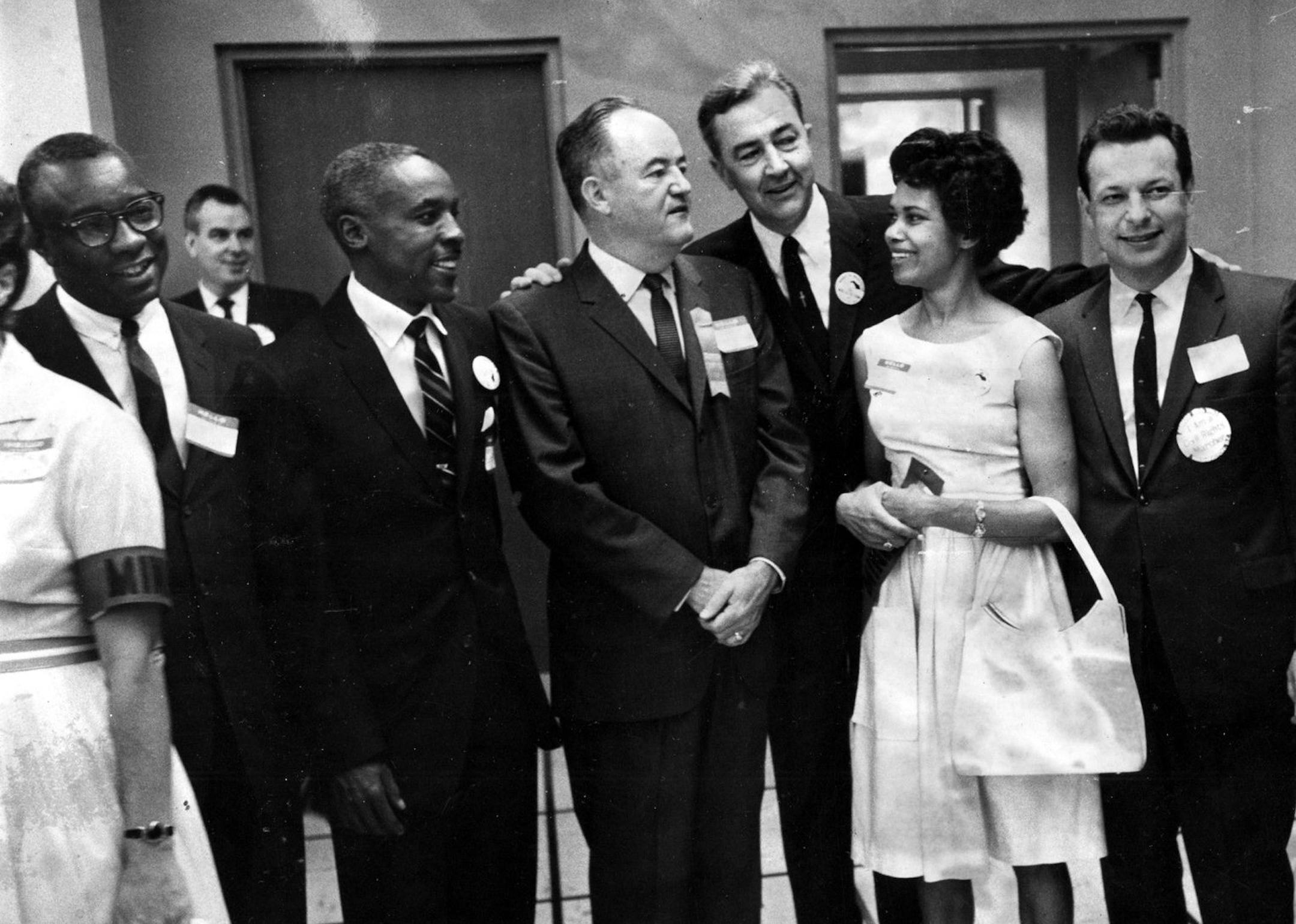
I am heartbroken for the Minneapolis we knew in 1959, when we moved there for my husband to join the faculty at the University of Minnesota. In the early 1960s, the state was at the forefront of the civil-rights movement, led by DFL U.S. Sens. Hubert Humphrey and Eugene McCarthy and progressive city and state leaders. My husband, James Lowell Gibbs Jr., one of the first African-Americans appointed to the U faculty, served on the Minneapolis Fair Employment Practice Commission and the State Commission Against Discrimination when there were few complaints of police brutality and blacks were making gains in employment and housing.
Since we moved to California in 1966, the waves of immigrants and refugees (Hmong, Somalis, Latinos) who were first welcomed to the city apparently were never really integrated, perhaps because of their foreign cultures, different languages and religious practices. Social problems surfaced, tensions escalated, and attitudes changed toward these newcomers.
However, we were shocked by the brutal death of George Floyd in the custody of four police officers. It is difficult for me to cope with the betrayal of the progressive legacy of the political leaders of the 1960s who made Minneapolis a model city of tolerance and civility. Whatever happened to Minnesota Nice?
Jewelle Taylor Gibbs, Oakland, Calif.
'HOLY LAND' BRAND
Those were some wholesale responses to controversy
The hasty actions by the Seward Coop, Midtown Global Market and Costco to immediately discontinue selling Holy Land products after seeing social media posted by an employee appear to be a knee-jerk reaction instead of a decision ("Holy Land deli loses business over racist posts," June 6). Without thoughtful consideration and deliberation, these businesses responded like the mobs that exploded on Lake Street two weeks ago. Yes, the employee in question was the daughter of the owner, but she was fired from her position, as was the correct action.
Perhaps we should review every social posting of every employee who works at the co-ops and Costco. If we found an employee who tweeted racial insults, should these business immediately be closed? Should we stop shopping there entirely? Or should we rightly expect this employee will be fired? Do we punish the business, the rest of its employees and its suppliers because of one person who works there?
Do we perpetuate a different type of intolerance from our glass houses?
Bette Packer, Andover
POLICE APPRECIATION
If officers don't feel they have it, they should ask if they've earned it
I read with great interest "Citing lack of support, officers quitting MPD" (June 14). The paragraph that caught my attention was the next to last, which stated that "some officers spoke of feeling underappreciated, and being asked to answer for the actions of one of their colleagues."
I doubt anyone is asking them to answer for the actions of their colleagues. Perhaps they are asking for Minneapolis police officers to stop their union from defending their colleagues' criminal behavior.


