

•••
In his commentary "For an aging state in an aging country, future could be bleak" (Opinion Exchange, May 9), Tom Horner explores Minnesota's biggest demographic loss — that of "college-aged young people." After underscoring the chasm between Republicans and Democrats this legislative session, Horner makes the reasonable suggestion that policymakers focus on water — a resource that gives us a competitive edge over other states.
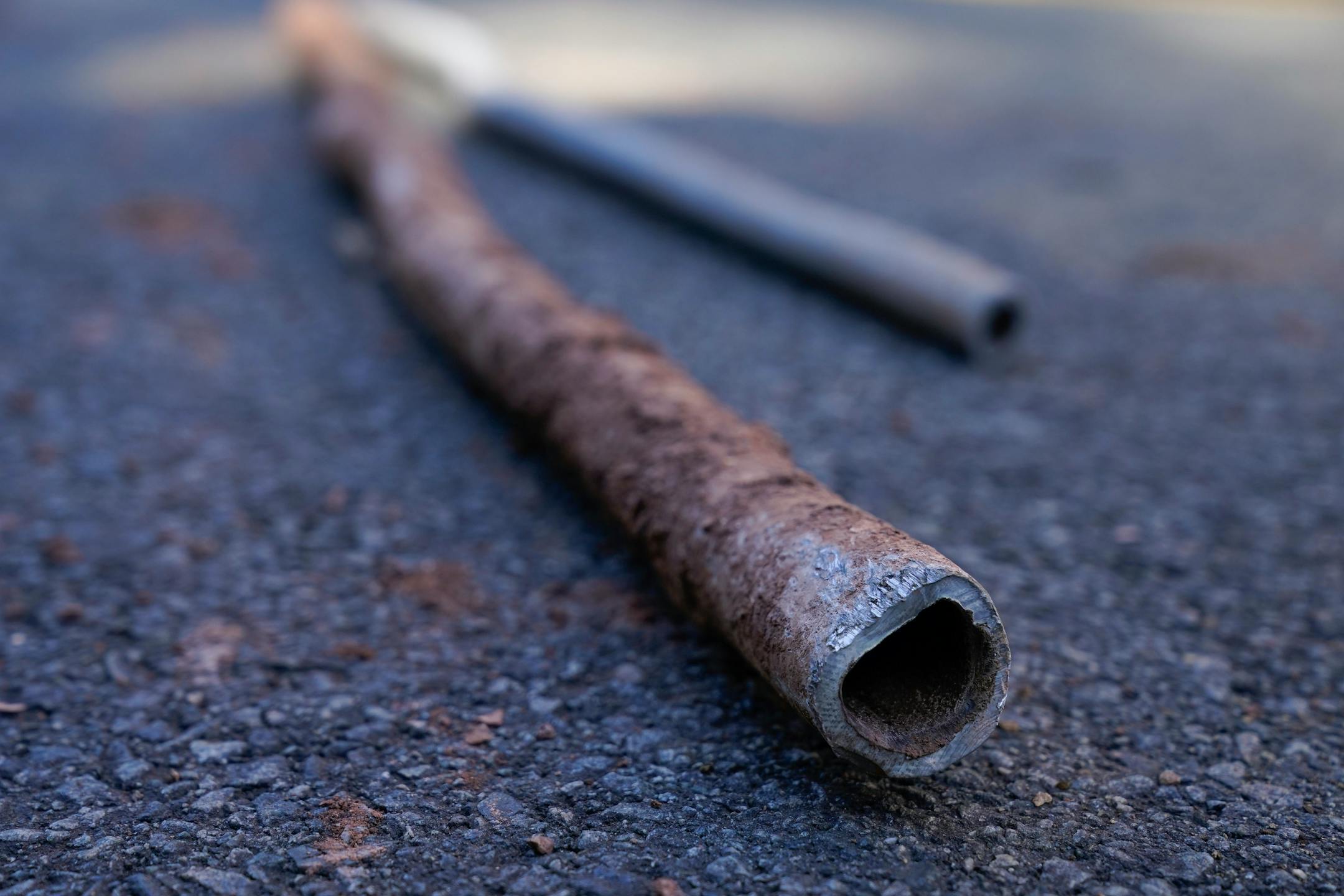
Missing from his list of legislation is a bill that has bipartisan support in both the House and Senate, HF 4115/SF 4121. The legislation would make it possible to tap federal dollars to replace lead drinking water services lines that are publicly and privately owned. I'm thinking young people would be really interested in this legislation as lead-contaminated water causes so many health problems, and replacing water lines is expensive.
As old lead pipes age, lead particles break off and enter drinking water. Lead is highly poisonous, and when it contaminates water, it can harm almost every organ in the body. For children, lead poisoning can compromise brain development, cause hearing loss, decrease bone and muscle growth and damage the kidneys. For adults, it can cause memory loss, lack of concentration, fatigue and high blood pressure. Lead also harms people's reproductive systems resulting in lower sperm count, sperm anomalies and spontaneous miscarriage.
No wonder, even in this contentious session, that Democrats and Republicans are working together to push this legislation forward. But the clock is ticking, and they need to get it passed and on the governor's desk. The health of current and future Minnesotans is at risk.
Julie Risser, Edina
•••


