

•••
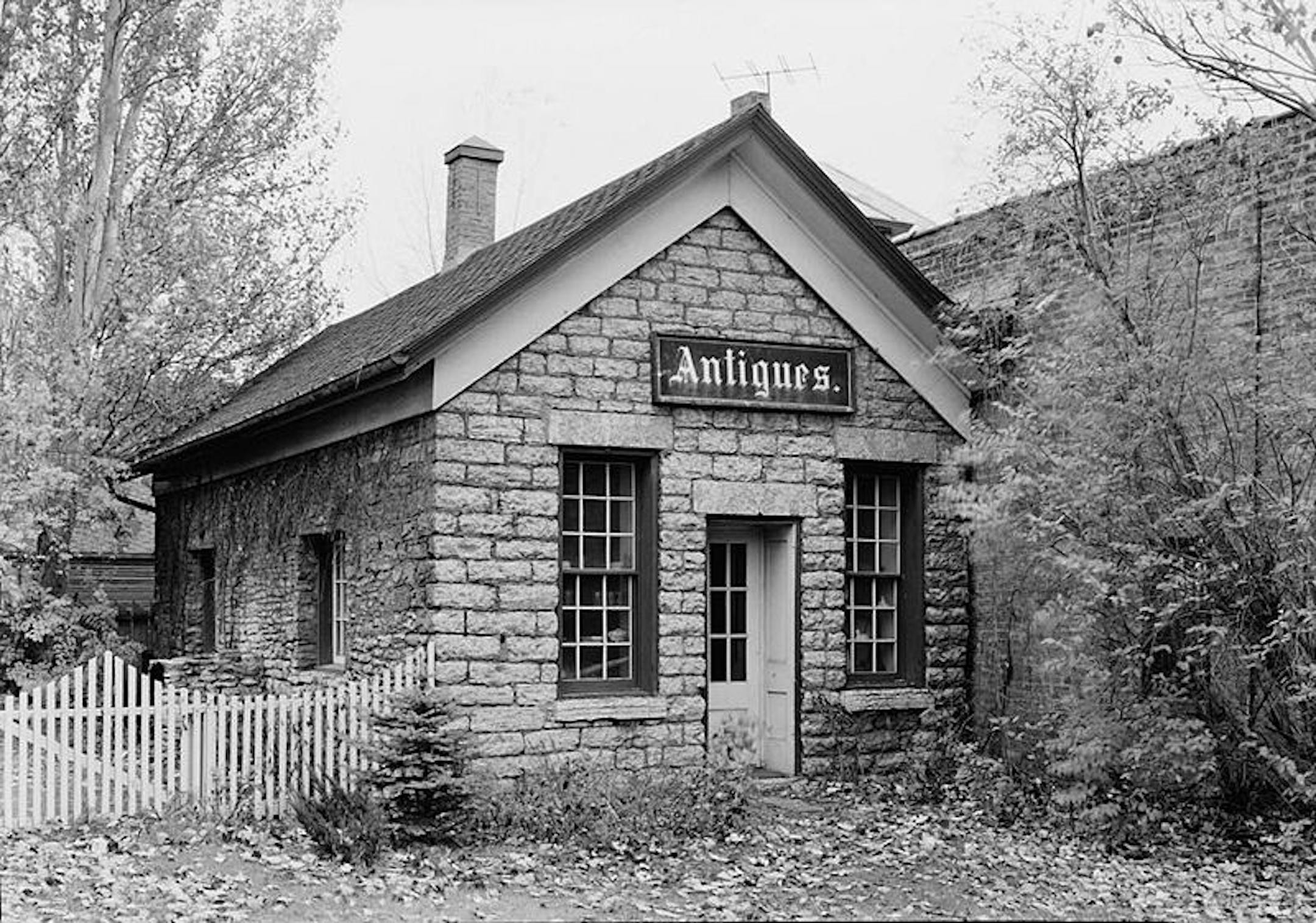
Old buildings tell the stories of the people who built and used them. In the case of the threatened 1852 Justus Ramsey House those stories are more important to St. Paul today than ever ("1852 cottage is part of Black history in St. Paul," Oct. 28). Actually, they're important to all of us.
I'm chair of Duluth's Historic Preservation Commission. Like St. Paul, our city has a wealth of historic buildings, and we, too, wrestle with preserving them. It's truly unfortunate that we can't save them all. But the Justus Ramsey House is one that must be preserved. Now that research shows the cottage has a decadeslong link to St. Paul's Black history, its story becomes much larger than the diminutive structure.
For 40 years the building was home to railroad porters, Black women entrepreneurs and domestic servants. Almost every early Pullman porter was a freed slave. The Civil War ended just as George Pullman was launching his new, more civilized concept in train travel. While getting paid for work was a welcome change, the porters were more of indentured servants to the company. That's why the first Black organized, but secret, union in America was the Brotherhood of Sleeping Car Porters.
Duluth has had victories and defeats in preserving its past. When the Interstate 35 freeway threatened the Endion Depot Train Station (built in 1899), it was moved out of the way to Canal Park and reused. But Branch's Hall, the city's first brick building (from 1872), was lost.
Old buildings are treasures that preserve their stories. Sadly, most fade and are lost once the building is gone. Please save the Justus Ramsey house.
Ken Buehler, Duluth


