

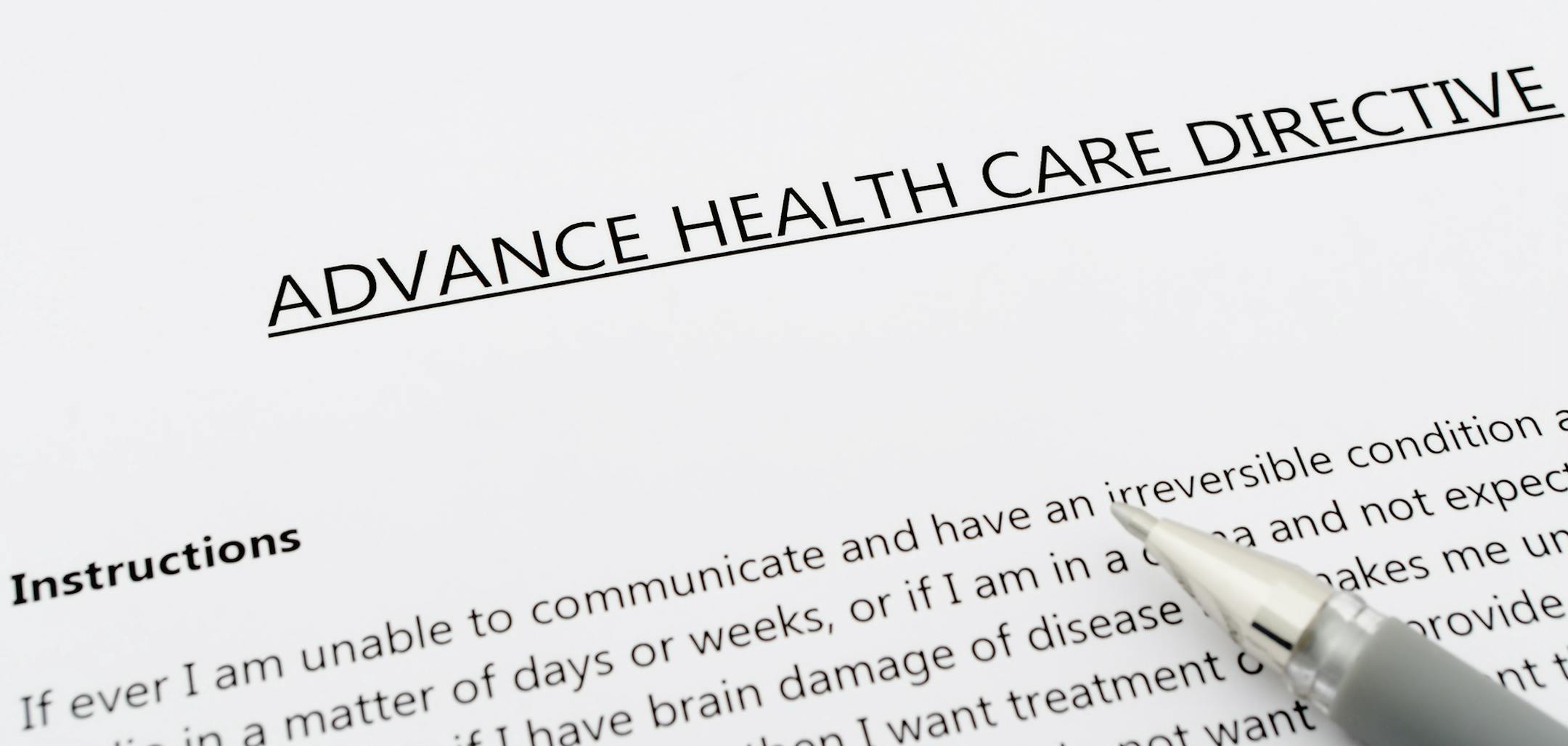
I'd like to thank Christopher Snowbeck for the article he wrote highlighting the need to get electronic medical records set up so doctors have immediate access to documents outlining patients' end-of-life wishes ("Patients' wishes lost in system," June 12). Mr. Snowbeck used the story of my cardiac arrest and subsequent hospital visits to adeptly illustrate the problem. There was one comment, however, that illustrates an even deeper, systemic problem. Dr. Tom von Sternberg is cited as asserting that doctors made the right call in resuscitating me, as if my health care wishes were nothing to take into account.
While I understand that medical records may not always be easy to navigate and that mistakes can happen, it is not acceptable for doctors to blithely ignore my wishes. I had a health care directive on file. I am of sound mind, and I wrote my health care directive expecting that doctors would honor it.
April 16 was National Health Care Decisions Day, and all over the Twin Cities there were workshops to help and encourage people to complete their health care directives, citing the need for documentation for patients' wishes when they are unable to speak for themselves. If doctors do not honor our stated wishes, health care directives are nothing but worthless documents, and the time spent putting them together is just an exercise in futility.
We need patients to complete health care directives. We need to get the electronic medical records so they are easy to navigate. And, most important, we need to have physicians honor our stated wishes.
Elizabeth (Beth) Bedell, St. Paul
• • •
The story about Ms. Bedell's frustrations with the inept handling of her end-of-life wishes evoked my sympathy for her. Years ago, my mother was taken to an emergency room by ambulance, suffering respiratory distress. Somehow, there were two medical charts for her, and the one without the living will was brought to the ER. The doctors put her on life support, which was against her instructions in the living will. Decades later, with electronic charts, hospital staff can't figure out that training their doctors on how to find this should be the first thing they learn on the job? How about creating a red tab labeled "End-of-Life Wishes"? No one should have to go through the process of making their wishes known, only to have them overlooked or ignored.
Katie McCurry, St. Paul
• • •
A summary of my end-of-life preferences is readily available on my cellphone. Simply pressing the "emergency" button when the iPhone is turned on is all that is needed to access the information. Included in the summary are instructions to get to the full document if needed. The full document is also on the iPhone. My iPhone came with a "health" app which allowed me to set up my medical preferences. Cellphones other than iPhones likely have similar apps, or will soon have them.


