

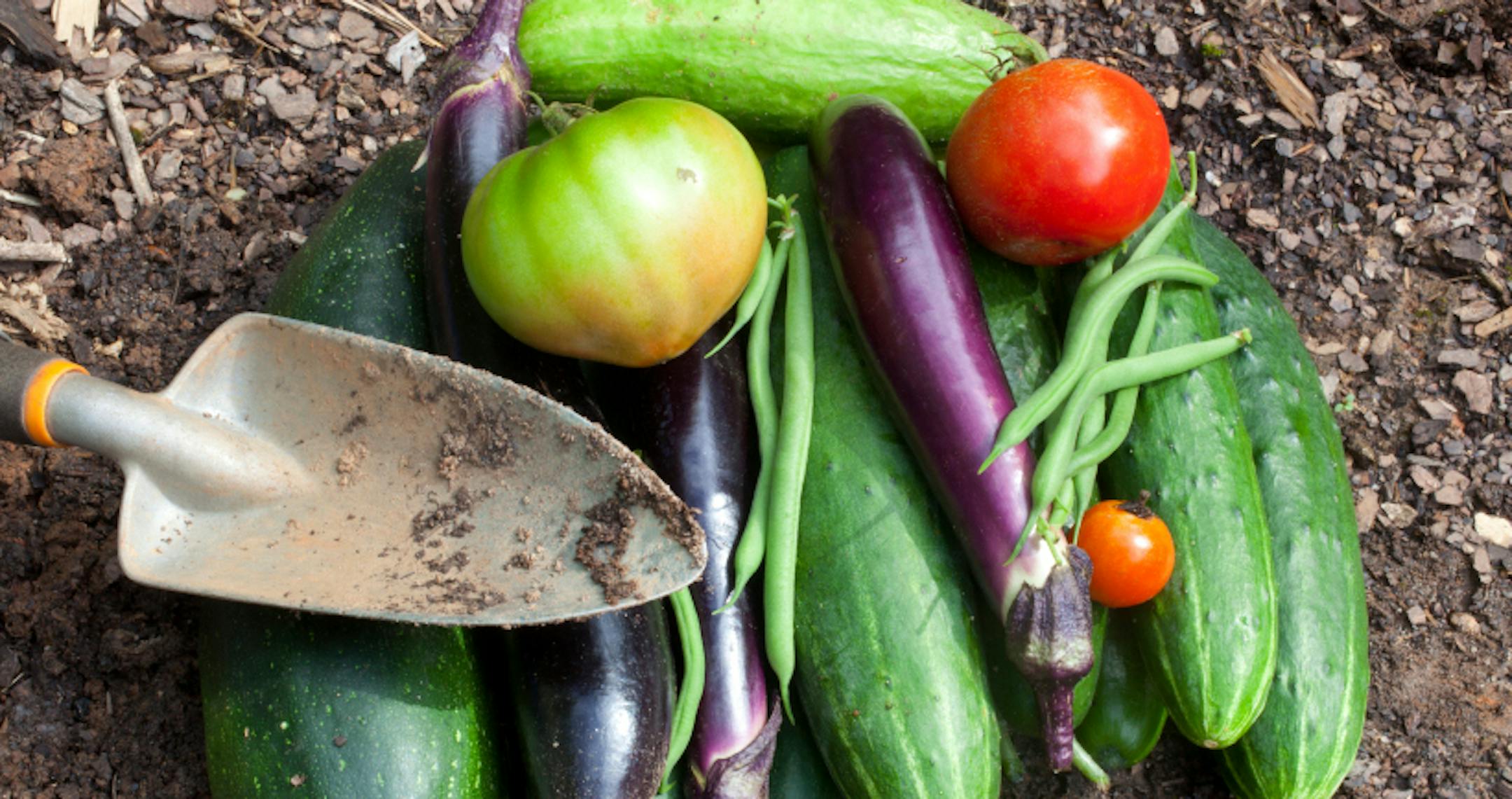
To the June 11 writer who thinks Minnesota produces only corn and soybeans and no vegetables ("There's farming, and there's farming"), these are the numbers put out by the Minnesota Department of Agriculture in 2012:
Minnesota produces 41 percent of all U.S. green peas, 37 percent of the sweet corn and 39 percent of the sugar beets, totaling 670,000 acres. We also grow another 230,000 acres of dry edible beans, potatoes and sunflowers. And yes, we rank third, fourth and third, respectively, in the nation for soybean, corn and spring wheat production.
As you can see, Minnesota is huge in both human and animal food crop production.
Dean Schutte, Kenyon, Minn.
THE GREEN LINE
Not so fast? Not so fast. (Other factors.)
It was interesting and helpful to read about the "Amazing Race" between car, bike, train and bus from St. Paul to Minneapolis ("Get out the stopwatch," June 17). Now, let's compare a few other aspects of transit, such as health benefits to the rider, financial costs, safety and the environmental impact.
Jennifer Anderson, Minneapolis
ELECTIONS
Primary challenges expose political flaw
It is too bad that both parties are threatened by competitive primaries ("In primary fights, Minnesota parties fight for relevance," June 16). They should be the first to encourage "we the people," not party activists, to select the party candidates.
Worse, in order to be a delegate at a party convention, one has to start by attending caucus night. This is a system that so disenfranchises voters who cannot attend that one has to wonder why it exists in a state known for being progressive and inclusive.
If the parties determine that their endorsements are the only activity that sustains them, then they should be disbanded and start afresh — perhaps by visiting other states where both the parties and competitive primaries are alive and kicking.
Hanna Hill, Plymouth
FOREIGN POLICY
It's better to have one steering wheel
There used to be a maxim in foreign-policy decisions, which was that politics ended at the water's edge — that is, domestic politicians deferred to the president and his team on foreign policy, and if they opposed that policy, they kept quiet. But now, as Clive Crook pointed out ("The risk of all-or-nothing politics," June 17), international politics are as divisive as domestic politics, with all players working to score points with their bases and with swing voters. The result is an incoherent foreign policy that serves no one.


