

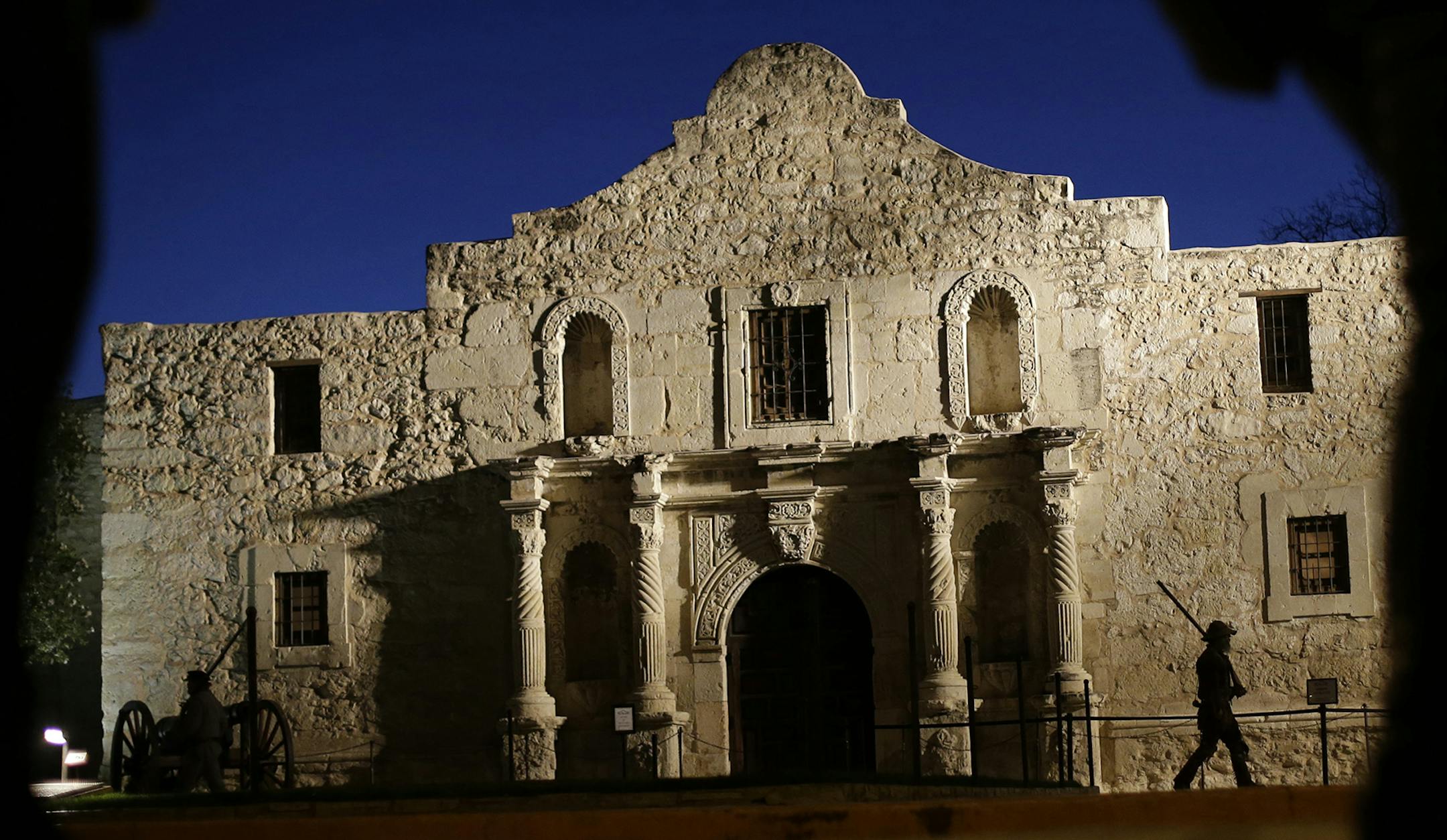
Well, you've done it. You've successfully seceded from the Union. Congratulations! Now you won't have to send those taxes in to our government. By the way, we've moved NASA to Florida, where it belongs. You can use the vacant buildings, though. And the oil refineries — well, we're building new ones up in North Dakota, where the oil is, and as we are trying to lessen our dependence on foreign oil, we probably won't be importing any oil from you. You have a wonderful climate, and many people have retired there. Since there will be no Medicare or Social Security for your retirees, you might want to use some of the tax savings to start up some systems of your own. Oh, that's right, you abhor socialism. Well, I guess those people are on their own now. Some of them have tried to come north, but we've sealed our border and are not accepting any illegal aliens. Maybe you could use the tax savings to build that wall you wanted at the Mexican border. You probably will need it. I understand that when Mexico discovered that you are no longer protected by the U.S. Army, it started thinking about taking back some land that was taken from it long ago. Something about an Alamo. We'd like to help you, but it's really none of our business. By the way, how's your Spanish?
Jerry Leppart, Eden Prairie
CLIMATE CHANGE
Republicans hamstring the military as it tries to plan
One of the primary jobs of the U. S. military is to address and prevent external threats to our country's safety. This includes the Department of Defense planning to cope with climate-change effects related to conflicts over access to water amid droughts — a major factor in migration in the Mideast — as well as potential sea rise affecting naval bases such as the Norfolk naval base. In a Politico report on this topic, Andrew Holland of the American Security Project noted, "This is what we ask our military and national security people to do, to think long-term, look at emerging threats, figure out ways to protect against these threats."
However, the U.S. House recently voted for an amendment to the defense-spending bill prohibiting the department from spending money to implement plans for spending funds to cope with these threats, with no Democrats voting for the amendment. While one would think that Republicans were "strong on defense," in this case, given their ideological blindness to the reality of climate change, they are failing to protect us from significant future threats.
Richard Beach, Minneapolis
PLANS FOR PEOPLE, CARS
Edina is not one-way, nor was Lileks, but letter writer is
Apparently in her haste to criticize James Lileks' June 25 Streetscapes column, a June 28 letter writer never bothered to read his entire article about Southdale, cars and Edina. Lileks took great care to praise Edina for combining both convenience for car drivers and promoting the ability for people to walk and bike in the same area. That was his whole point! Plan for both options. Don't force people into your preference. There is a way to accommodate all manner of transportation. Lileks could not have been more clear in his portrayal of Edina's successful planning for combining all forms of transportation.
Apparently, however, the letter writer is firmly in the camp that wishes to force everyone to believe as she does: Cars are bad, driving is not necessary and the rest of us had just better get used to it.
Debbie Lewis, Orono
• • •
Our rural legislators won't vote for light rail even if the metropolitan-area governments pay for it. Their explanation is that light rail is an "inefficient" method of transportation. What they mean is that the cost of light rail (in the abstract) is much higher than the cost of highways (in the abstract). This leaves unanswered the question: Where is there room for a new highway in the already built-up metropolitan area? The existing overcrowding of local highways is intolerable. It seems likely that more businesses will avoid locating in Minnesota (or will leave it) because of the traffic than because of the taxes that the same legislators abhor.
Edward J. Schwartzbauer, Edina
BUILDING WALLS
Especially for one who brings folks together, it's unneighborly
One can't help but see the irony! A brilliant young man, Mark Zuckerberg, who has made his fortune in bringing people together through Facebook, has angered his neighbors in a beautiful community by building a large wall around his property (Star Tribune, June 30). In the blizzard of technology, let's not lose the precious gift of knowing and respecting our neighbors.


