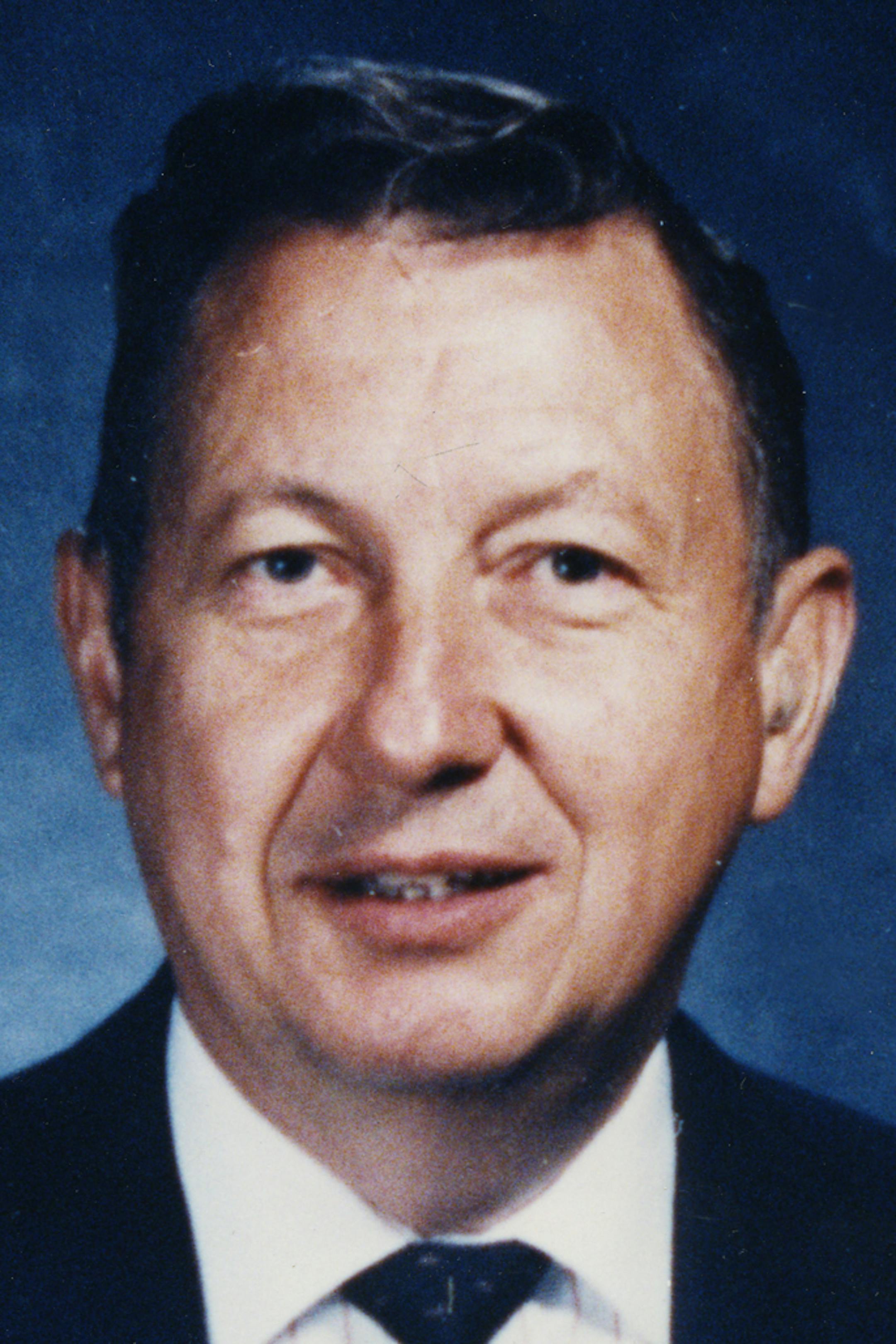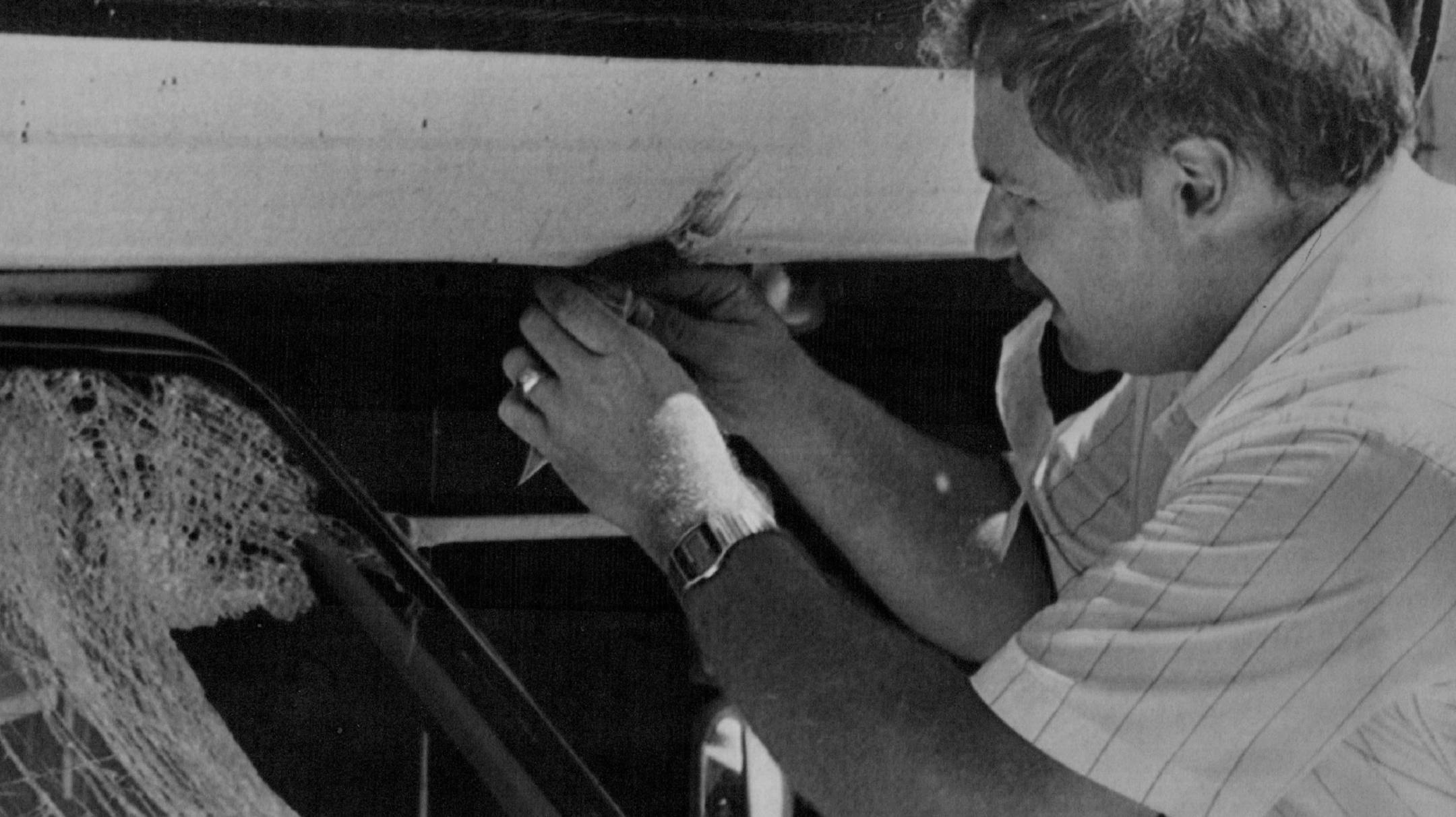
My brother's voice was silenced 25 years ago due to a tragic, ironical death. Teenagers dropped a rock at 1 a.m. from an overpass on Interstate 94 near Eau Claire, Wis., onto his motor home, killing him. His wife and two of his three children, who were returning to Minneapolis from a swim meet in Milwaukee, survived. A month before his death, he and our family had celebrated the graduation of his oldest daughter from the U.S. Naval Academy.
A dedicated middle-school math teacher and basketball coach at Columbia Heights, my brother felt parenting was the most important job in the world and he became very frustrated with parents of his students who didn't get involved with their kids' lives and education. Yet he died at the hands of juveniles whose parents had no idea where their teenage children were at 1 a.m.
The legacy of Maynard Bloomer, devoted teacher and father, cannot be silenced. Echoing words from his grave to parents of juveniles: "Please know where your children are; care what they're doing."
Lois Midtvedt, Green Bay, Wis.
SAFE SCHOOLS
Restorative programs are fine, but let's start with equity
In a July 12 editorial, the upcoming implementation of pilot restorative practice programs in six St. Paul schools and the generation of Ramsey County's Community Task Force on Safe Schools were suggested as promising measures to help our young people resolve conflict ("Youths need tools to handle violence"). As a parent with two children attending St. Paul Public Schools, I agree that these measures hold promise as long as they are skillfully facilitated, evaluated and sustained for the long-term — for not just one year but for three to five years, at least. However, I argue that more-effective equity initiatives — one of the priorities listed by a group of St. Paul school community members in a commentary ("Priorities after a district shake-up: What we want from our leaders," June 29) — would also be greatly impactful. Our schools must be safe places for our children and include accountability, but our schools must meet our children's needs in an equitable fashion. No child should be marginalized from educational offerings, support services or instruction. I watched recent national and local events with such grief, and I stood in front of the governor's residence to listen to passionate speakers express their anger and frustration, all of us wanting change. Schools, with their classroom communities, can be a significant part in supporting positive change in our society.
Tiffany Dreher, St. Paul
WHITE PRIVILEGE
No, the Black Elephant in the Room is not the problem, it's us
"We all know the Black Elephant in the Room." With those words, Richard Greelis proves that white privilege and systemic bigotry are not just rhetoric that he would like to dismiss, but a destructive reality that Greelis would ignore ("We can't avoid talking about bad behavior," July 14). Using "we" to separate a white author and reader from his subject fuels the fear that led to the deaths of Philando Castile and Jamar Clark, the fear that resulted in a black, sitting U.S. senator, Republican Tim Scott of South Carolina, being pulled over seven times in a year, and the fear that pushes callous commenters to call for the killing of protesters. The elephant in the room isn't black — it is white, and it is crushing all of us.
Carl Swanson, Minneapolis
• • •
Greelis' commentary describes and makes excuses for the reasons police "and everyone else, really," look at "certain young black men" differently. He says it's the behavior, the dress, the attitude, the criminality, etc., that police have to deal with in "this segment of society day after day after day." He calls it logic and common sense. I call it stereotyping: "To believe unjustly that all people or things with a particular characteristic are the same."
Granted that police see most people, black males included, at some of their worst moments as victims or perpetrators. Does that justify the broad brush used to typify and respond in kind to a whole group? Do police who work in mostly white neighborhoods see all white people the same way as those they arrest? Most likely not.