

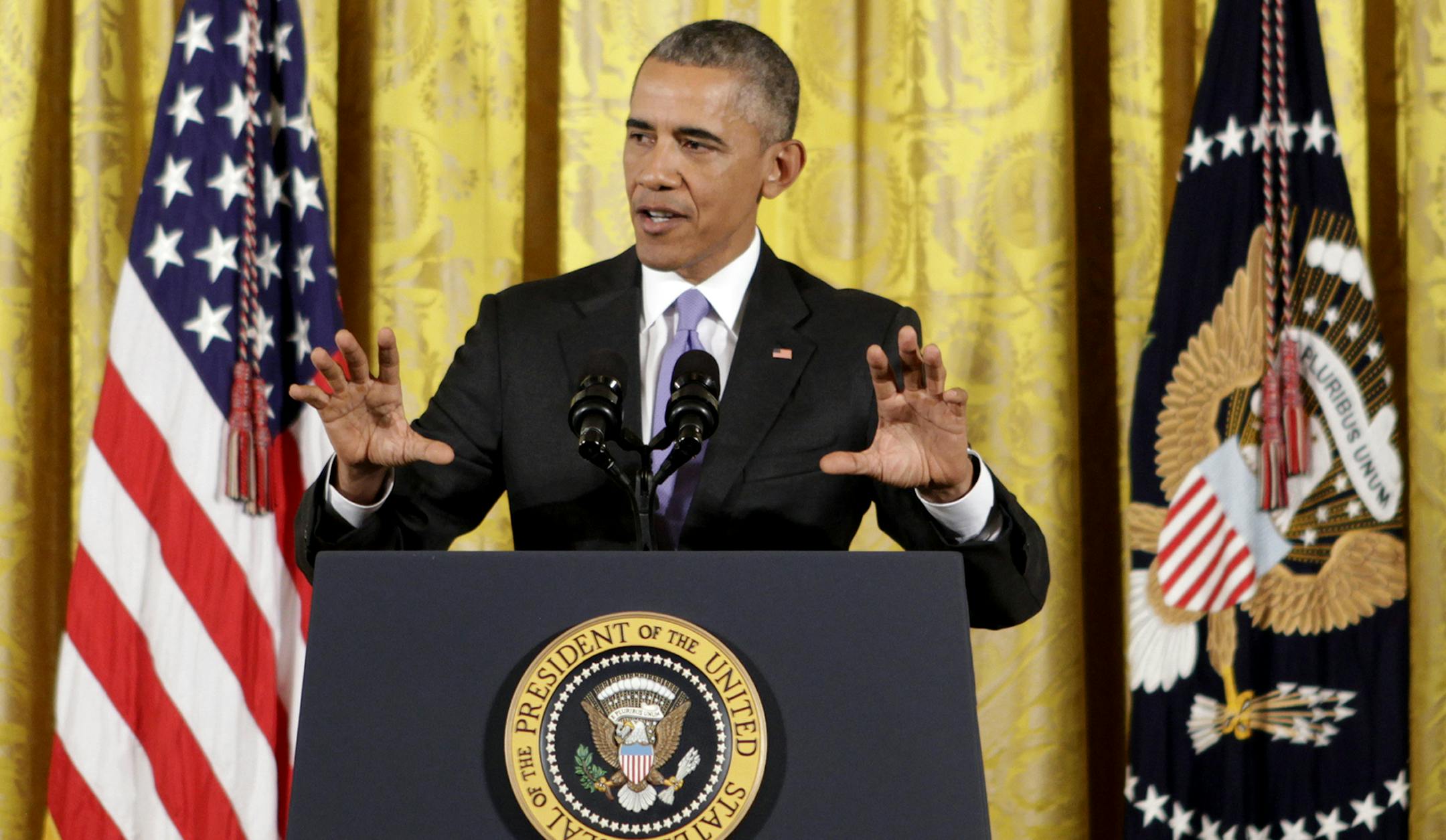
We now finally have an agreement with Iran that should either prevent that country from building nuclear weapons for decades or allow it to build such weapons and destroy Israel. The vision that we hear depends on whether it is a Republican or a Democrat who is predicting the future. Personally, I am embarrassed that most of our politicians seem to be more interested in pushing the view that will help their party win the next election rather than what is best for the country and the world. But the real question we have to ask is: Is this a good deal or not?
It is not easy for us, average citizens, to determine the value of this agreement on our own, but we should make an effort to understand the details as much as possible. It is also important for us to look at the alternatives to a diplomatic solution. Our partners in this agreement are becoming weary of the ongoing sanctions on Iran, especially if we unilaterally veto the agreement that has been reached. The other alternatives are to do nothing and let Iran build nuclear weapons, or use military force.
The Republicans put all of their efforts into attacking the agreement, but what are their alternatives? In Iraq, the decision was war — one that led to the deaths of 4,500 Americans and more than 100,000 Iraqis, that has destabilized the region, that helped give birth to the Islamic State in Iraq and the Levant, and that probably encouraged Iran to develop a nuclear arsenal.
There are times when war is necessary, but this is not that time. Let's see what we can achieve with diplomacy and peace.
Jim Weygand, Carver
• • •
Just as the centrifuges in Iran are allowed to keep spinning by the "deal" made by President Obama and Secretary of State John Kerry, the Obama political machine is cuing its spinmeisters to start spinning the deal.
The front page of the July 15 issue of the Star Tribune contained an article written by two reporters from the Associated Press. That news report stated, in part: "In a key compromise, Iran agreed to continuation of the United Nations' arms embargo on the country for up to five more years and ballistic missile restrictions for up to eight years."
That sentence was written so as to convey the impression that Iran had substantially compromised its interests in an effort to obtain a deal. Contrast that reporting with a column written by Michael Gerson of the Washington Post and appearing on the Opinion Exchange page of the same issue. Gerson's article contains the following statement: "The reported agreement to partly lift the arms embargo against Iran — a dramatic concession — must seem to America's Sunni allies and partners like a de facto U.S. recognition of Iranian spheres of military influence across the region. Because it is."


