

Having spent the past 20 years as a practicing physician, researcher and educator, I am keenly aware of and proud of the conflict-of-interest policies put in place by medical institutions, Veterans Affairs hospitals and the State Medical Board. We went from having free lunches and trips sponsored by pharmaceutical companies to not even being able to accept a pen from them. Many layers of checks and balances have been put in to flush out even the most subtle conflicts of interest, and the information is available to the public.
For example, in 2014, the Centers for Medicare and Medicaid Services established the federally mandated Open Payments website, which displays all direct payments and transfers of value received by physicians and institutions eligible to bill Medicare and Medicaid. All research programs I apply to for funding, and medical journals that publish my work, require extensive conflict-of-interest declarations and resolution. I teach our medical students and medical trainees the importance of conflicts of interest when critically appraising medical literature.
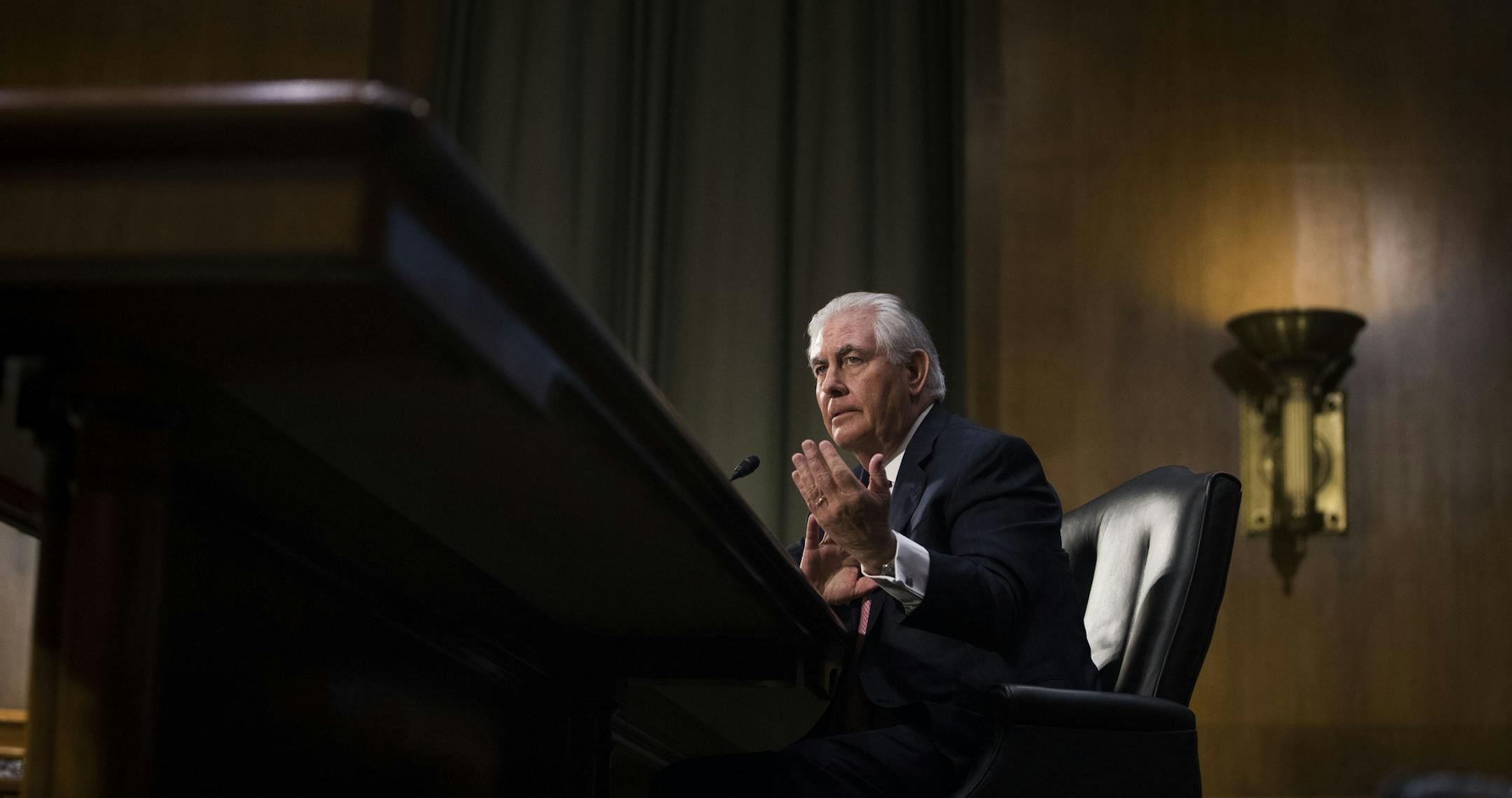
In this context, I am shocked at the blatant conflicts of interest that the president-elect and his many nominees for Cabinet and other key positions have. Nominees Tom Price, Rex Tillerson and Rick Perry are examples of this. It's almost as if conflicts of interest are an afterthought, and a side issue the public never hears about, when it should be the first thing to consider even before the nomination.
Further shocking is the protection afforded to the president from not declaring or resolving conflicts of interest. Shouldn't the nation's highest executive be the beacon for others and exemplify highest ethical standards?
Maybe not, and we should brace ourselves for the trickle-down effect and erosion of other ethical standards as the new normal.
Dr. Aasma Shaukat, St. Paul
MINNEAPOLIS RENT COSTS
City seems to be missing a piece of helpful but obtainable data
The Jan. 8 article "Landlords say values, taxes spur rising rent" indicated that the market value of apartments in Minneapolis had doubled to $7.2 billion since 2012, the result of increased development and higher values. The next paragraph states: "The city … will collect $313.9 million in property tax revenue in 2017 but doesn't track how much of that will come from apartments."
Why? If the city knows the value of apartments, and knows the impact of new development vs. assessed value, knowing the property tax received from apartments seems very knowable. Knowing this would add much to the story on why apartment rents are going up.
The city is benefiting from rapid development of rental housing in many ways. Understanding this revenue stream and its impact seems like something Minneapolis residents would want their city to understand. Full disclosure: I am not a Minneapolis resident today.


