

•••
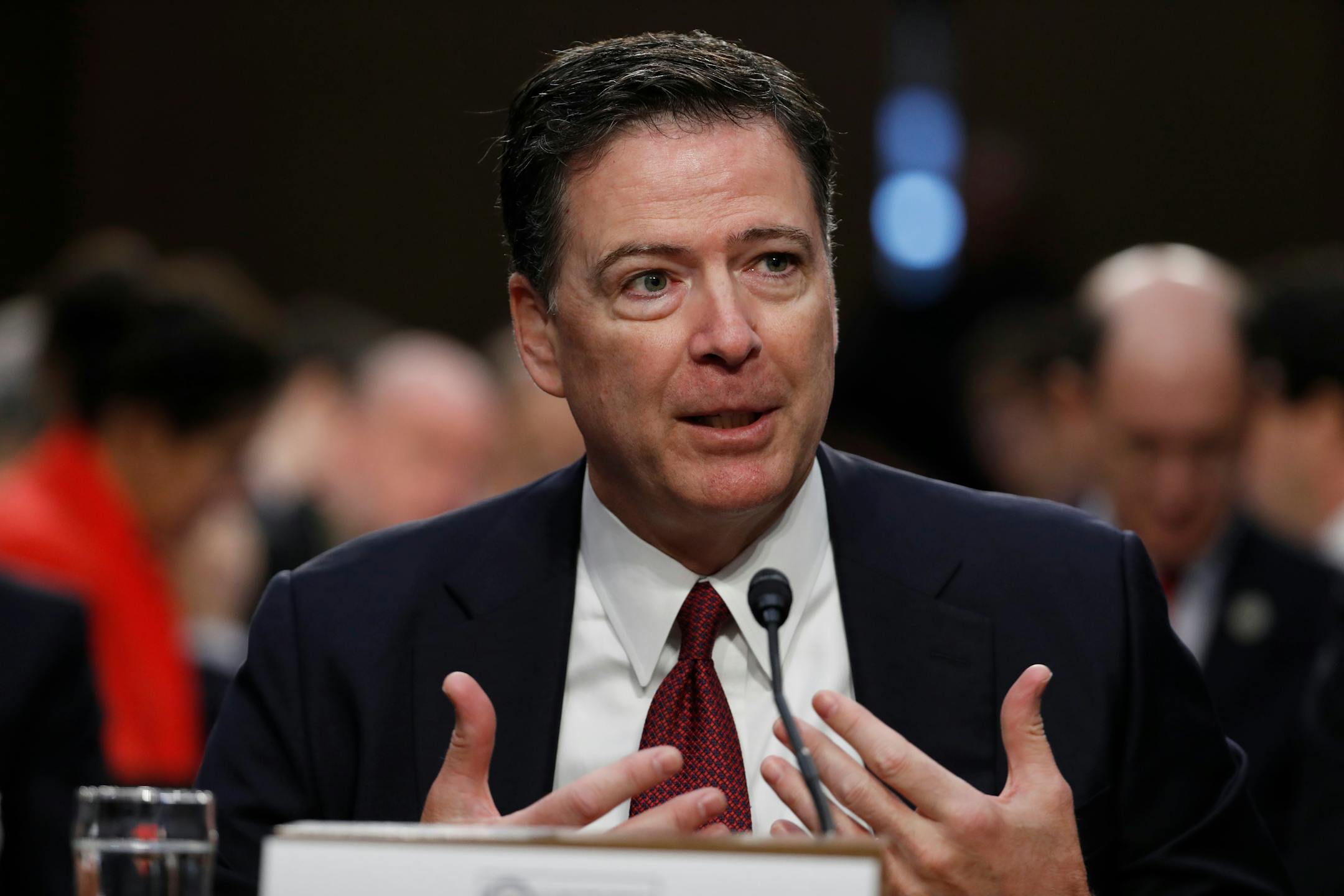
Former FBI director James B. Comey, the target of a presidential vendetta, was not in fact indicted by a grand jury (“Attorneys in Comey case are grilled,” Nov. 20). U.S. Attorney Lindsey Halligan failed to present the written indictment to the grand jury for its review and approval. She presented the indictment to the foreman for signature. He signed it.
This is no minor mistake. The Fifth Amendment requires that at least 12 grand jurors approve the written indictment before the foreperson signs it. The leading case, even today, is Gaither v. United States (1969).
My law firm (Williams & Connolly) was appointed counsel in Gaither. In ruling in our client’s favor, the U.S. Court of Appeals showed that, going back to the earliest reported case (1809), an indictment required actual approval by at least 12 grand jurors, not just the foreperson. The U.S. Attorney’s Office in the District of Columbia had deviated from required constitutional practice. The court wrote: “We conclude then that ... the grand jury as a body [must] pass on the actual terms of an indictment.”
Thirty-five years later, I was called to serve on a homicide grand jury in the District of Columbia. The assistant U.S. attorney stated that the whole grand jury would review the final words of all indictments. She specifically noted that this was required by the Gaither decision.
So, it is not enough to say that the new U.S. attorney in the Eastern District of Virginia made a “rookie error.” It is incumbent upon all attorneys to understand and respect basic constitutional rights. This did not happen in the Comey case.
Alan Galbraith, Bloomington


