

•••
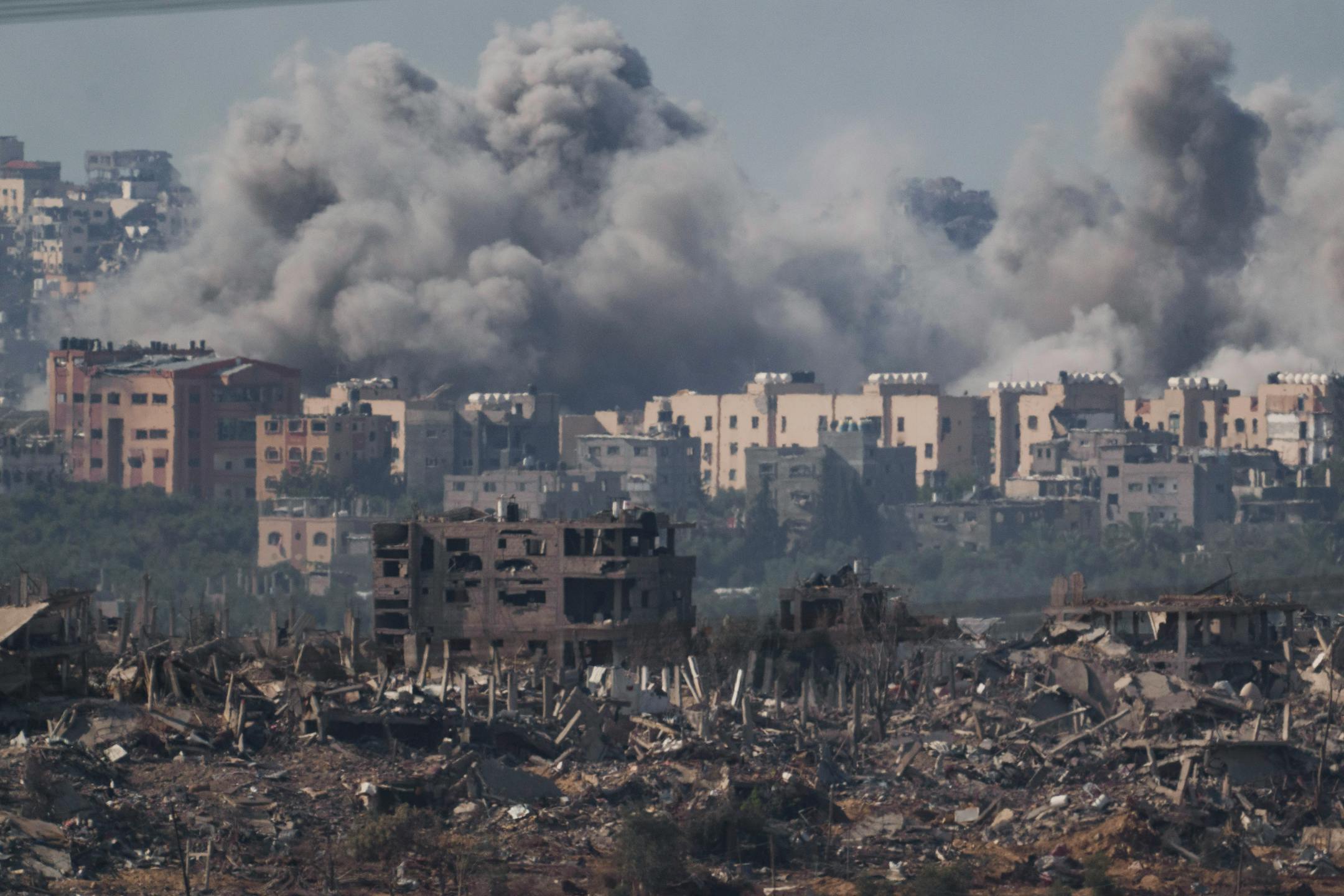
Unless both Israelis and Palestinians are treated equally, with equal rights and dignity, there can be no peace in the Middle East. The question to be asked is not how Israeli security failed to detect the Oct. 7 attacks but rather what policies of Israel toward the Palestinians created a climate in which such horrific acts could be contemplated. For 75 years, starting with the 1948 expulsion of the Palestinians off their lands, Israeli policies have persecuted the Palestinians and denied them their basic human rights, becoming more severe in recent years. While many courageous Jewish voices within Israel and around the world have spoken out against Israel's actions, the United States has looked the other away, more or less pretended the Palestinians did not exist, and funded and allowed Israeli policies to perpetuate. Around 1,200 Israelis were murdered and over 11,000 and counting Palestinians, including over 4,000 children, have been killed in revenge. What will that solve except to create more hatred?
More war is not the answer. Fortress Israel was never a solution, neither before Oct. 7 nor since. The only solution is to create one just, fair and equitable state with one person, one vote, that protects the rights of all and treats all peoples equally.
Stanley Woolner, St. Paul
•••
What political structure should Israel impose on Gaza? The hurdles are clear: a traumatized and antagonized population lacking a history of effective democracy.
Rather than imposing a fully fledged democratic structure susceptible to illiberal manipulation, why not grow a democracy slowly? The idea would be to begin with micro political units, say a city block, and run elections for representatives who would interact with the Israel authorities. Two years later, another election would be run with additional, larger political units, say four city blocks. Every two years you could add a larger layer of representation. As the democracy evolves, Israel would release a proportional amount of civil control. In this concrete way, the citizens, seeing directly the benefits of this close representation, would learn to understand and trust democracy. It also would allow time for political parties to organize and develop within the boundaries of liberal democracy, namely, a well-ordered and civil society.

