

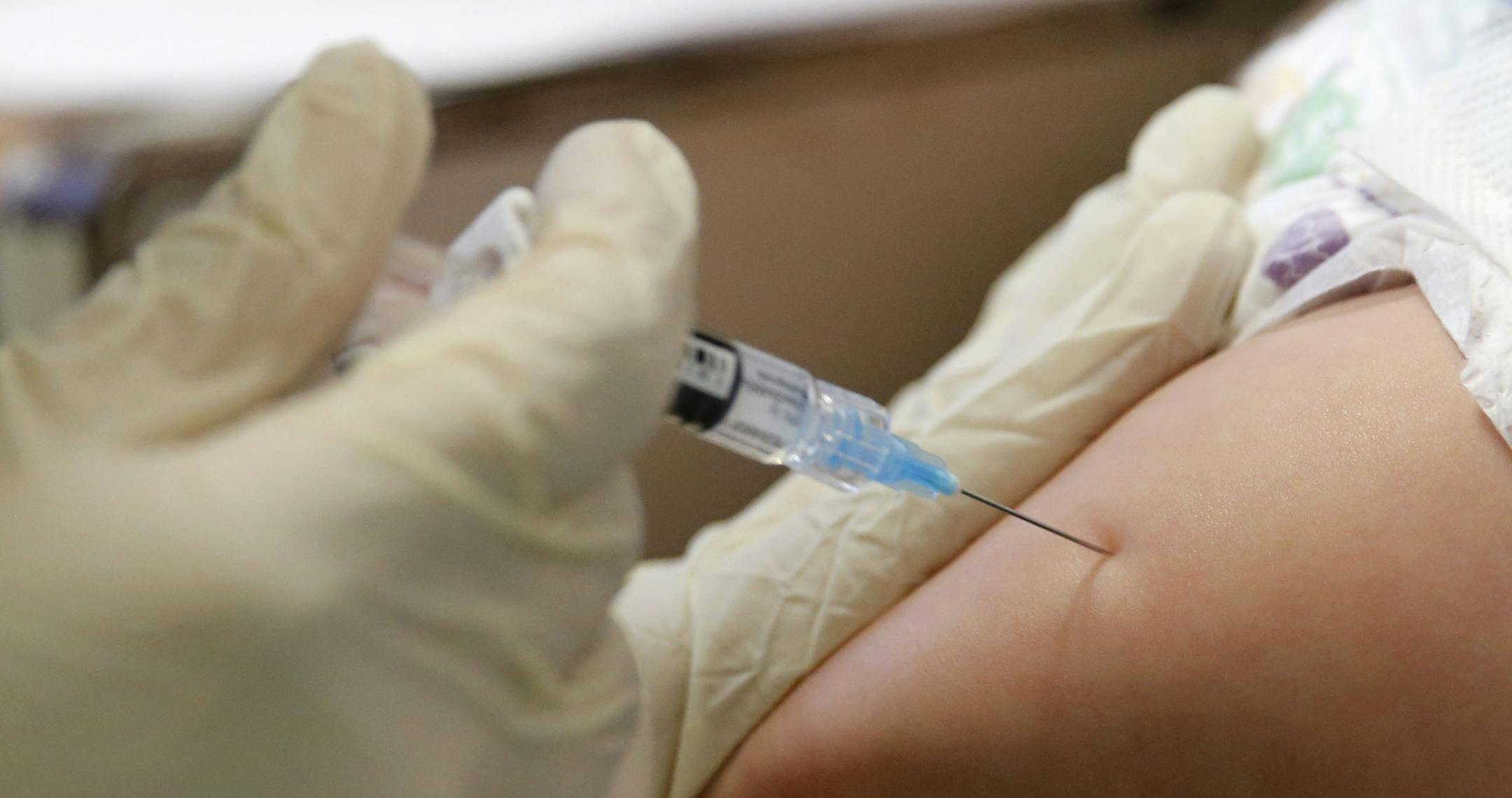
As the world awaits a vaccine for COVID-19, vaccination rates for preventable childhood diseases have plummeted in Minnesota and across the country. In May, state health officials reported a staggering 70% drop in measles vaccinations given, compared with one year ago. Unless we reverse this troubling trend, we could find ourselves fighting vaccine-preventable disease outbreaks this fall alongside COVID-19 and influenza.
We have a good idea why immunization rates have dropped. Parents are hesitant to take their children to the doctor; some have lost jobs and/or health insurance coverage; and some clinics needed to close or scale back services. But many pediatricians' offices have taken significant measures to ensure patient safety, such as designating separate locations or times of day for well-child and sick-child visits, requiring face masks for staff and patients, and even establishing drive-up sites for vaccinations. These efforts are commendable and should give parents the assurance they need to access critical preventive services for their children.
Childhood diseases like measles can spread rapidly if immunization rates drop below the crucial number required for herd immunity. If we've learned anything from COVID-19, it's that protecting on another from infectious disease depends on our individual and collective efforts. We don't know how long it will be until a safe and effective COVID-19 vaccine is available, but we do know there are safe and effective vaccines at our disposal to protect our children and our communities from measles, whooping cough and many other illnesses. I implore parents to get their children's immunizations up to date to ensure the pandemic does not usher in epidemics of vaccine-preventable diseases in our communities.
Catherine London, Minneapolis
FIFTH DISTRICT RACE
The money and motivations backing Omar, Melton-Meaux
A common theme of recent articles (such as "Omar challenger draws big money," July 15), op-ed pieces and letters to the editor regarding Antone Melton-Meaux's challenge to U.S. Rep. Ilhan Omar in the Fifth District primary is that supporters of Melton-Meaux say little or nothing about their reasons for supporting his candidacy, other than that he's running as a Democrat and that he's not Ilhan Omar.
I know why I've voted for Omar in 2018 and 2020. I did so because, like her, I believe that health care, food, shelter and education are human rights. Like her, I believe that human rights should form the foundation of the foreign policy of the United States (anyone who wants to know where Rep. Omar is coming from when she advocates for the human rights of Palestinians and Yemenis should view her Feb. 13, 2019, questioning of the infamous Elliott Abrams regarding his activities in Central America during the Reagan administration — it's on YouTube).
Like Rep. Omar, I believe that the climate emergency requires the comprehensive and equitable approaches that comprise the Green New Deal. Like Omar, I believe that fundamental changes in policing are urgently needed and must involve the federal government as well as states and municipalities.
Omar's critics fault her for being insufficiently "focused on the Fifth," as if a $15 minimum wage, Medicare for All, free public universities, and guarantees of food and housing would not benefit residents of the district. Those who allege that Omar has not used her time in Congress effectively might want to take a look at the Homes for All Act that she introduced, a massive program designed to ensure housing for all Americans. I stand with Ilhan because she is my voice in Congress.
Clifford Kashtan, St. Louis Park
• • •
In "Omar challenger draws big money," the reasons given for Antone Melton-Meaux's successful fundraising is due to outside groups angered at Omar's anti-Semitic tropes, not-infrequent attacks on the president and her criticism of lobbying groups in politics.


