

•••
The federal funding package passed by the House last month ahead of the deadline for a federal government shutdown gave Immigration and Customs Enforcement an additional $20 million to equip its agents with body cameras. Does ICE really need more money? After all, the One Big Beautiful Bill Act, with $75 billion in supplemental funding for ICE over four years, already tripled the agency’s budget, now bigger than the annual budget of all other federal law enforcement agencies combined.
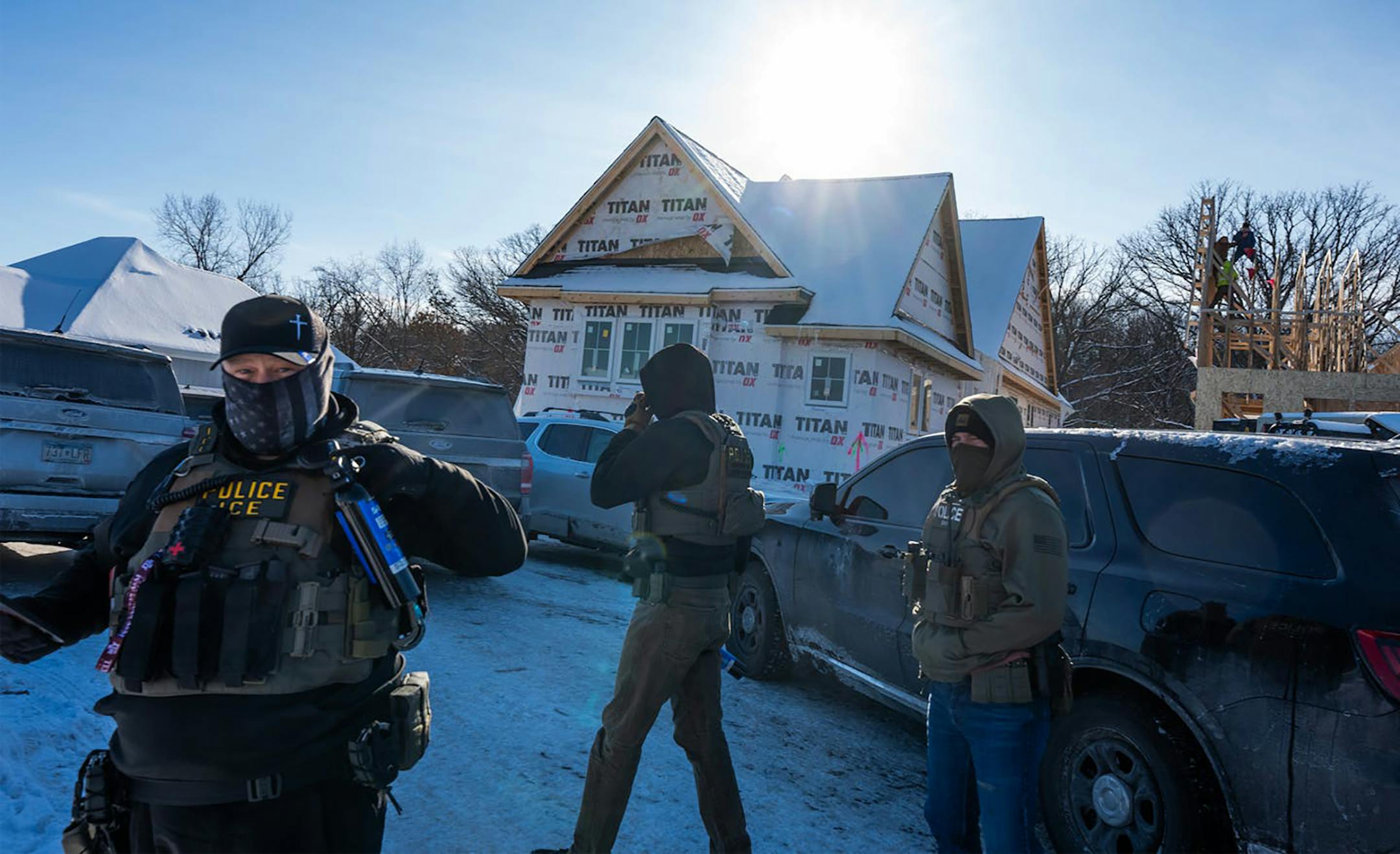
Regardless of where the money comes from, it will be wasted without comprehensive body-camera rules. ICE agents must be required to actually wear them and to turn them on when dealing with the public. As we witness in Minnesota every day, ICE agents freely disregard the law. So body-camera rules must be compulsory and enforced with penalties for noncompliance. Moreover, ICE must be required to save and retain the tapes for 90 days, and Congress and the public must have access to them.
These requirements must also be enforced. Otherwise, we just have to trust Kristi Noem. Based on her performance as the secretary of Homeland Security, does that seem like a good idea?
David Aquilina, Richfield
EFFECTIVE GOVERNANCE
I trust the government when it deserves it
Former Gov. Tim Pawlenty’s thoughts on restoring trust in government provides food for thought (“The crisis will subside in Minnesota, but trust will need to be rebuilt,” Strib Voices, Feb. 4). One abstraction for pondering is his definition of “trust.” When Pawlenty says, “We should all be anti-lousy-results,” he’s absolutely correct. But do “lousy results” cause us to lose trust in government? Depends.
For Pawlenty, the current fraud schemes that cost taxpayers billions of dollars caused an erosion of trust in government. But not for me. I believe that the current administration is only partially to blame here. The administration may have been guilty of trusting certain nonprofits to disburse funds responsibly. But I haven’t lost trust in the government because it naively believed that certain organizations would do the right thing. On the other hand, when Pawlenty was governor, he used a maneuver called “unallotments” to cut state funding for public education. His motive was “no new taxes.” The outcome was lousy. Many residents ended up paying higher property taxes. For me, there was an erosion of trust — not for government as a whole but for a governor whose priorities placed lower taxes as a higher priority than funding public education. Another example of how one measures “trust in government”: When the late Melissa Hortman cast a critical vote to avoid a government shutdown, she sacrificed health care coverage for undocumented Minnesotans. For me, that was a “lousy result.” Did I lose trust in government? Absolutely not.


