

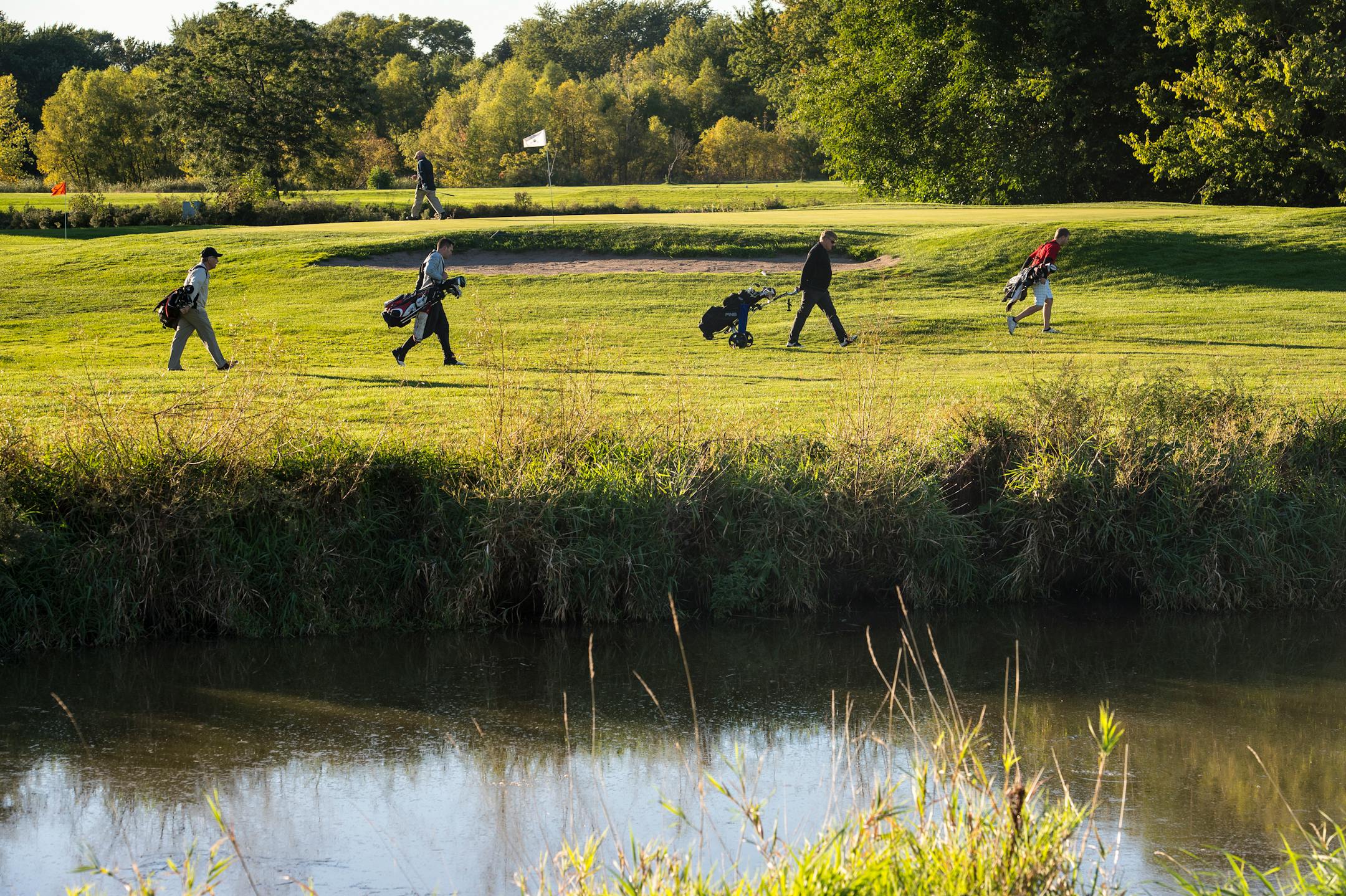
The voices in this paper commenting on the Hiawatha Golf Course redesign do not show any awareness of the bustling parks, beaches and athletic venues screened from the golf course by an ugly, rusting fence ("Preserve Hiawatha, along with its story," March 6). These are visited by people much more diverse by age, race, gender and culture than the golf course.
Naysayers also ignore the deeper history of this stolen land. They turn their nose up at a substantial consolation prize: a nine-hole golf course, practice fields, a pro shop and more. They do not mention the golf course's long-term decline in usage or the threat that it will be inaccessible for any use if we get heavy rains.
Meanwhile, the redesign balances irreconcilable needs and goals. It addresses history and environmental realities. It reflects insights from outreach work and expertise from the Minneapolis Park Board staff. I trust these public servants and their focus groups more than the out-of-town golf consultant quoted for that Sunday article.
I feel for those who will genuinely mourn this necessary change. But I suspect many of their comrades-in-clubs' newfound attachment to history has more to do with a desire to avoid a 10-minute drive to play on another underutilized public course somewhere in the metro.
I hope I am wrong. I hope these advocates also speak up about our state's abysmal record when they have the opportunity to support racial equity via public and private investments at their workplaces, in council chambers and everywhere else they hold a privileged position.
Ben Horowitz, Minneapolis
•••
With the proposed Hillcrest development, the city of St. Paul is taking powerful steps to fight climate change, provide fair housing and establish good jobs where people live ("Hesitant about Hillcrest," March 5). The planning process has included more than 700 people over three years, representing especially communities of color and current neighbors. (To see the plan, go to stpaul.gov and search for Hillcrest.)


