

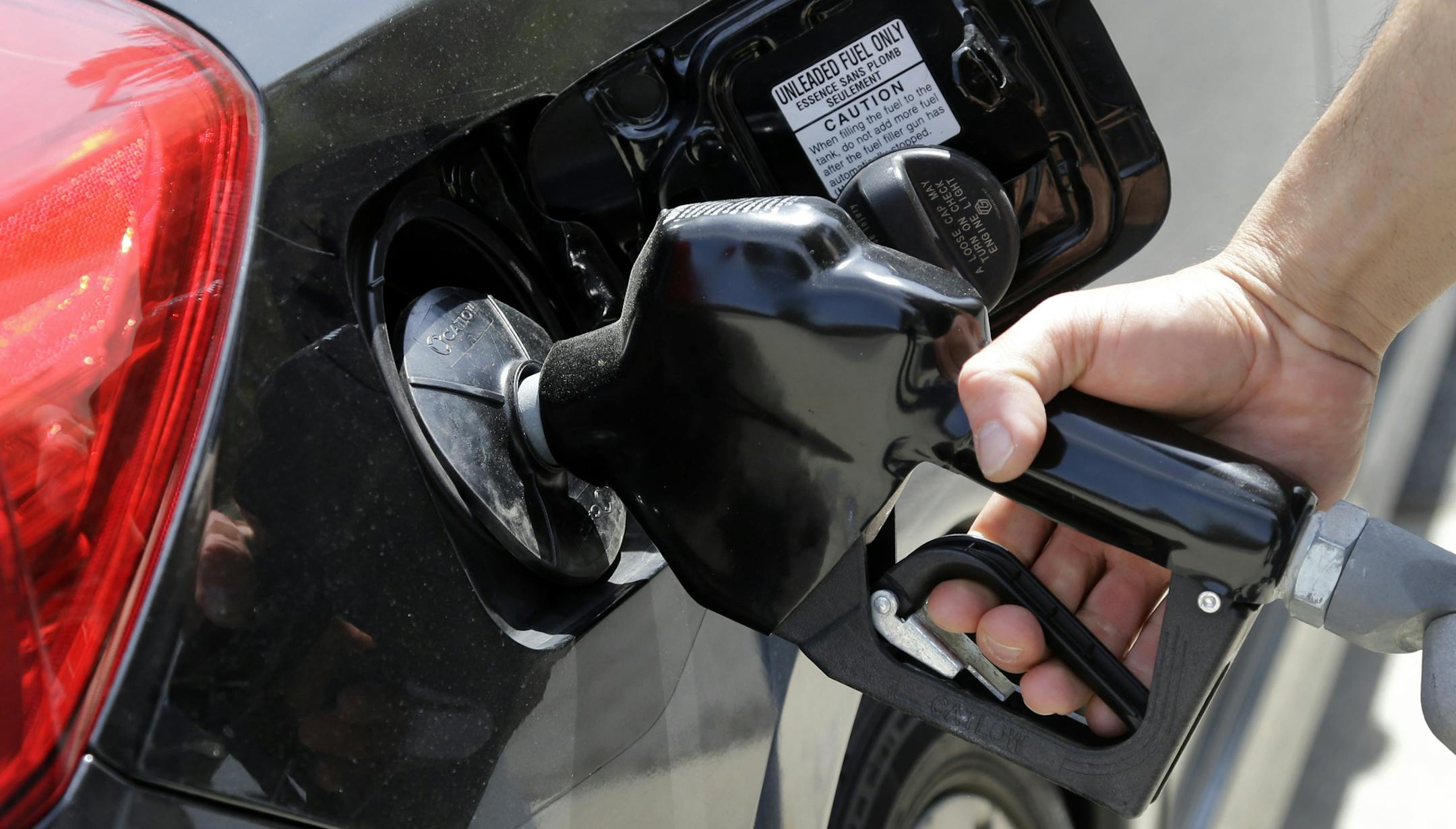
Anyone who drives realizes our roads need work. Not up for debate. Any senior citizens living on Social Security and, hopefully, some pension money also realize that a 20-cent-per-gallon gas tax increase would have a significant impact on their mobility. Not only would they see an increase in cost if they drive their own cars, but that cost would certainly be passed along in other forms of transportation such as cabs, Uber, buses, prescription deliveries, trash, recycling — any private or public gas-dependent service. We regularly read about the isolation many seniors feel because they have difficulty getting around. Adding an additional cost burden will not help. It amazes me that the Legislature continues to tax Social Security for seniors yet does not factor in their (in many cases) limited income and the ramifications that all the tax increases have on senior lives with little in the way of programs and protections for those same seniors. State Sen. Jim Abeler's consideration of a 10-cent increase at least seems a bit more reasonable. Or, how about not taxing Social Security?
Janet Grieder, Maple Grove
• • •
I hope our elected representatives and senators from the GOP noticed that the price of gas went up 20 cents last week. Supposedly this is due to refinery issues and price of crude. Are we getting better roads from this increase? No. Are we getting safer bridges? No. Are local gas stations earning higher profits? No. Are oil companies reaping bigger profits to help pay for their executives and increase shareholder profits? Yes. Did anyone drive less because of the price increase? Most likely not.
Yes, we can probably fund road projects with the general budget, but only at the expense of education and health. A gas tax is a user fee. For the most part, the bigger the vehicle, the more wear it does to the road and the more gas it probably needs. Higher gas prices tend to move people to more fuel-efficient vehicles or alternate transportation, both of which are better for the environment, roads, and transit costs. Are we going to notice the increase due to a tax? Probably only for a day or two. We are going to pay more for gas anyway; we might as well get something for it.
Ken Meyer, Cedar
PUBLIC SAFETY
'This' but not 'that' appears to be the approach of Sen. Gazelka
We are "One step closer to sanity on the roads" (March 20) with a bill restricting the use of cellphones while driving. State Senate Majority Leader Paul Gazelka expects a vote on Monday with bipartisan support. So while we will, in theory if not in practice, be safer on the roads, our chances of being a victim of gun violence have not been lessened given the intent by the same Sen. Gazelka to block a Senate hearing of the common-sense gun laws passed by the House. So while we may more safely drive to our house of worship, the mall or a movie theater, the proliferation of guns and gun violence in this country may not allow us to make it safely home.
Phyllis Roden, Minneapolis
OIL TRAINS
Public safety is top job for the Legislature, so pass this bill
"Growing oil train traffic 'a big concern' " (Feb. 10) reported many Minnesotans' concerns about crude-oil train safety. From the article: "Oil trains typically have 100 tank cars, each carrying around 30,000 gallons." In 2014, "a BNSF oil train crashed and burned near Casselton, N.D., about 20 miles west of Fargo," and in June 2018, "a BNSF train carrying Canadian [tar sands] oil derailed during a flood in northwest Iowa and spilled 160,000 gallons of crude."
Minnesota is at the epicenter of a crude-by-rail web connecting the Bakken oil fields and Alberta tar sands with refineries and export facilities across the U.S. and Canada. In fact, the Bakken oil train that derailed and exploded in Lac-Mégantic, Quebec, in 2013 passed through Minneapolis on its way to Canada. Canada's Transportation Safety Board initially cited the train's one-person crew size as a cause of the disaster. Canada now mandates minimum two-person crews, which are essential for accident prevention and disaster response, especially with high-hazard freight. In the U.S., two-person crews are standard practice but not federally required.
In a recent hearing on HF 286/SF 263 in the Minnesota House Transportation Committee, railroad representatives opined that technology is improving train safety and that crew size should not be legislated but rather is a proper matter for labor negotiations. In these negotiations, however, the public has no voice. Two-person crews are already required in five other states, with legislation pending in others. Minnesotans deserve to have this bill passed in the interest of public safety, which is government's "job one."
Amy Hummel, Robbinsdale
CONSUMER PRODUCT SAFETY
Also pass this bill pertaining to dangers of skin-lightening creams
Lighter skin is viewed as more beautiful to many people of color, and some women and men are buying harmful lightening creams to achieve the "perfect" fair complexion. If you knew these lightening creams contain mercury, would you still use them? Would you risk damaging your kidneys and your central nervous system just to achieve lighter skin?


