

I'm a student at the University of Minnesota, and I'll hopefully be graduating this spring with my B.A. in communications studies. I'm grateful for my studies and my experiences; however, it hasn't been an easy journey.
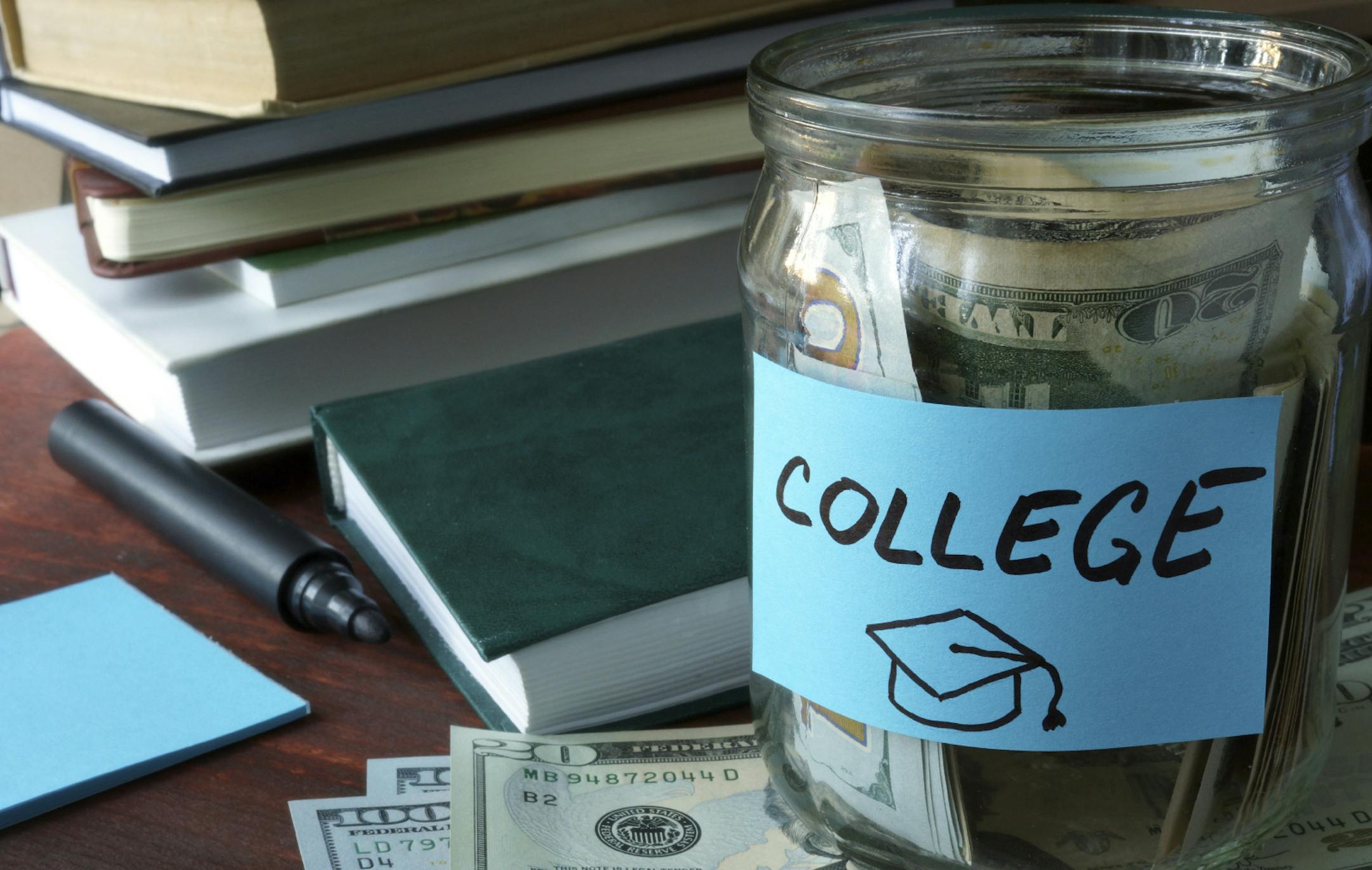
Getting a college degree is expensive and time-consuming. After taking my liberal-education requirements at Century College to cut costs, I tried to make it on my own by working a moderate number of hours at a job that paid $9 an hour. I ate through my savings at an alarming rate, and my paychecks simply could not keep me afloat. My grades suffered, and my stress level skyrocketed. I realized that I simply could not do both and had to put school on hold to focus on work.
It didn't take me long to realize that I could not earn a living wage on the kind of work that was available to me. I moved back in with my dad, sold my car to pay for rent and took a job as a barista that I could work in between classes. Even though I have slashed my expenses to focus on school, I can still barely make enough to feed myself and pay my phone bill.
Thankfully, my family has been able to support me through this experience. But how can we possibly expect to build a better-educated society when someone with my many advantages has struggled so much to get by on poverty wages?
Dan Crittenden, Minneapolis
POPE FRANCIS
Wading into issues like the U.S. election and contraception
I am delighted by Pope Francis' warm willingness to validate Christianity outside of rigid Catholic doctrine, but it saddened me to hear him weigh in on two current issues: contraception and U.S. politics.
The Zika virus is a formidable enemy for those whose lives include sexual reproduction, but it's only one of the reproductive challenges we face. If contraception is now acceptable to avoid the tragedies of Zika ("Pope OKs birth control in Zika areas," Feb. 19), it surely was acceptable when someone close to me was threatened with grave Rh-negative damage to her offspring in the 1960s. That woman made a personal (and lonely) decision to practice contraception because her heart and intellect told her it was the only decent decision to make. As a practicing Catholic, her choice was extremely painful, not only because she welcomed a large family, but because she genuinely believed her church might be right in telling her she had condemned herself to hell. Religious hierarchies of power must learn how often they devastate their faithful. Pope Francis is a start, so far a very small step.
Then, moving on to U.S. politics, which today are strange to the point of weird, it felt downright bizarre to hear this beloved man weigh in on whether Donald Trump is a Christian ("Pope says Trump border stance is 'not Christian,' " Feb. 19). Though he hedged his bet a bit with an "if," the pope declared that Trump is not a Christian. Although I have zero respect for Trump as reflected through his nasty rhetoric, there really is no reason for a pope to authenticate the religion of any U.S. presidential candidate. Sadly, Pope Francis sounded judgmental and exclusionary, and neither evaluation is helpful to anyone.


