

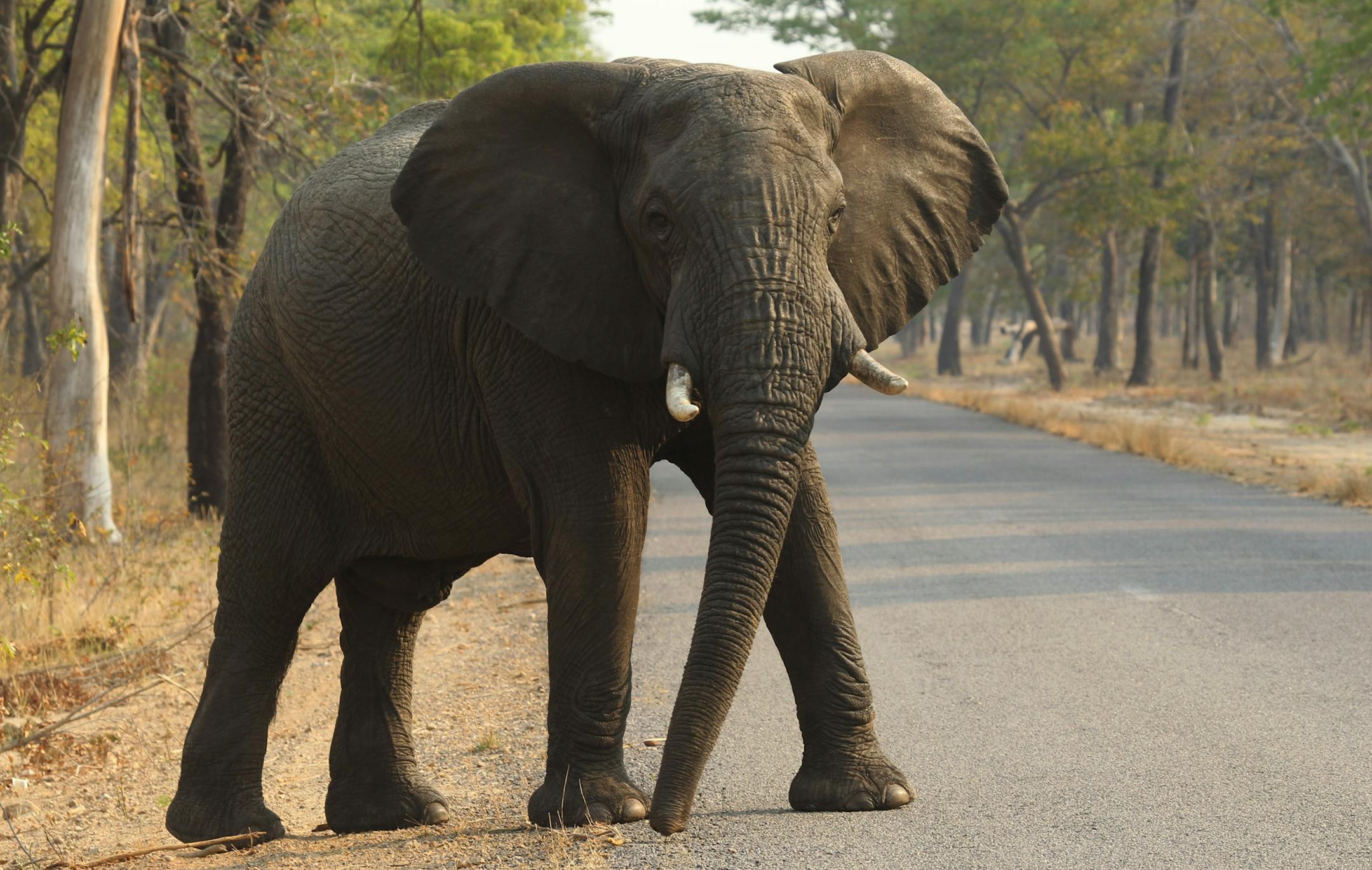
Recently, the Trump administration had decided to allow elephant trophies taken in Zimbabwe to be transported to the U.S. After a public outcry, it reversed that decision. In 2015, I was in Zimbabwe's Hwange National Park. The park has an elephant population of 45,000-plus and environmentally can support about 15,000. Because of international pressure concerning the taking of elephants for game, there is no hunting in the park. Elephants are destroying the habitat. During the wet season, they have plenty to eat. As it gets drier and food is hard to come by, they begin stripping trees. Eventually the lack of food will cause the starvation of some of the elephant population. Maybe it wouldn't be such a bad idea to bring the elephant population in Hwange to a level that the habitat could support. Hunting in the park would bring a lot of money to an area that has a high poverty rate.
William D. Bieber, Maple Grove
HUNTING IN GENERAL
Letter took offense at what was actually a charitable article
The writer of a Nov. 20 letter clearly took great umbrage at Dick Schwartz's Nov. 13 commentary "The evolution of a nonhunter's thinking," which explored why people kill animals for sport. It's interesting that the letter writer took Schwartz's commentary as almost a personal attack when in fact it was a thoughtful self-examination to better understand his personal feelings about hunting. The letter writer, a self-described lifelong hunter, lists the usual reasons why he, and now his 13-year-old son, hunt: It's legal, good for the economy, etc. He also states that hunting can teach a person "valuable life lessons." Exactly what "valuable life lesson" a person can learn from hiding in the bushes, then killing an unsuspecting deer with a high-powered rifle, is not mentioned. The letter writer missed the main point of the article, the dominating question of all nonhunters: No matter how you justify it, how can anyone get a thrill from the kill?
Doug Williams, Robbinsdale
HOT-BUTTON ISSUES
Some numbers to ponder; draw your own conclusions
Here are numbers that give me pause as I try analyzing and prioritizing the many problems, especially violence, we face in the U.S. (reports have some variation, but numbers generally conform):
• Annual homicides by firearms: approximately 12,000.
• Blacks shot and killed annually by cops: approximately 250 (virtually all have been confirmed as armed and dangerous).
• Unarmed blacks killed annually by cops: statistics vary, but the total approximates 15.
• Total black homicide victims with white perpetrators: approximately 250.
• Total blacks killed by blacks annually: Of approximately 7,000 black deaths by homicide, about 90 percent are killed by other blacks — that's more than 6,000.


