

•••
The education policy debate between gubernatorial candidates this election cycle hasn't yet addressed an item of major importance to our children: that globalization of the professions is already happening.
Jobs in engineering, software development, IT, finance, accounting, research and development, marketing, administration, etc., currently are held by teleworkers in other countries. That trend will only expand as more jobs once considered local become global. It won't be long before other professions, such as law and medicine, follow.
This changing workplace dynamic means that our children will no longer be competing for jobs, opportunities and promotions against local talent only. The COVID pandemic has proven that teleworkers can be more productive than onsite workers doing the same job. And teleworkers can work remotely from any location in the world that has internet service.
I attend as many as seven Microsoft Teams meetings in any given week for software development and engineering projects. Also in attendance are co-workers in India, New Jersey and the Middle East, and local expats from Japan and the United Kingdom. When my grandchildren reach midcareer, they may count among their co-workers AI avatars (like Siri) that appear as holographic projections, as well as sophisticated humanoid robots.
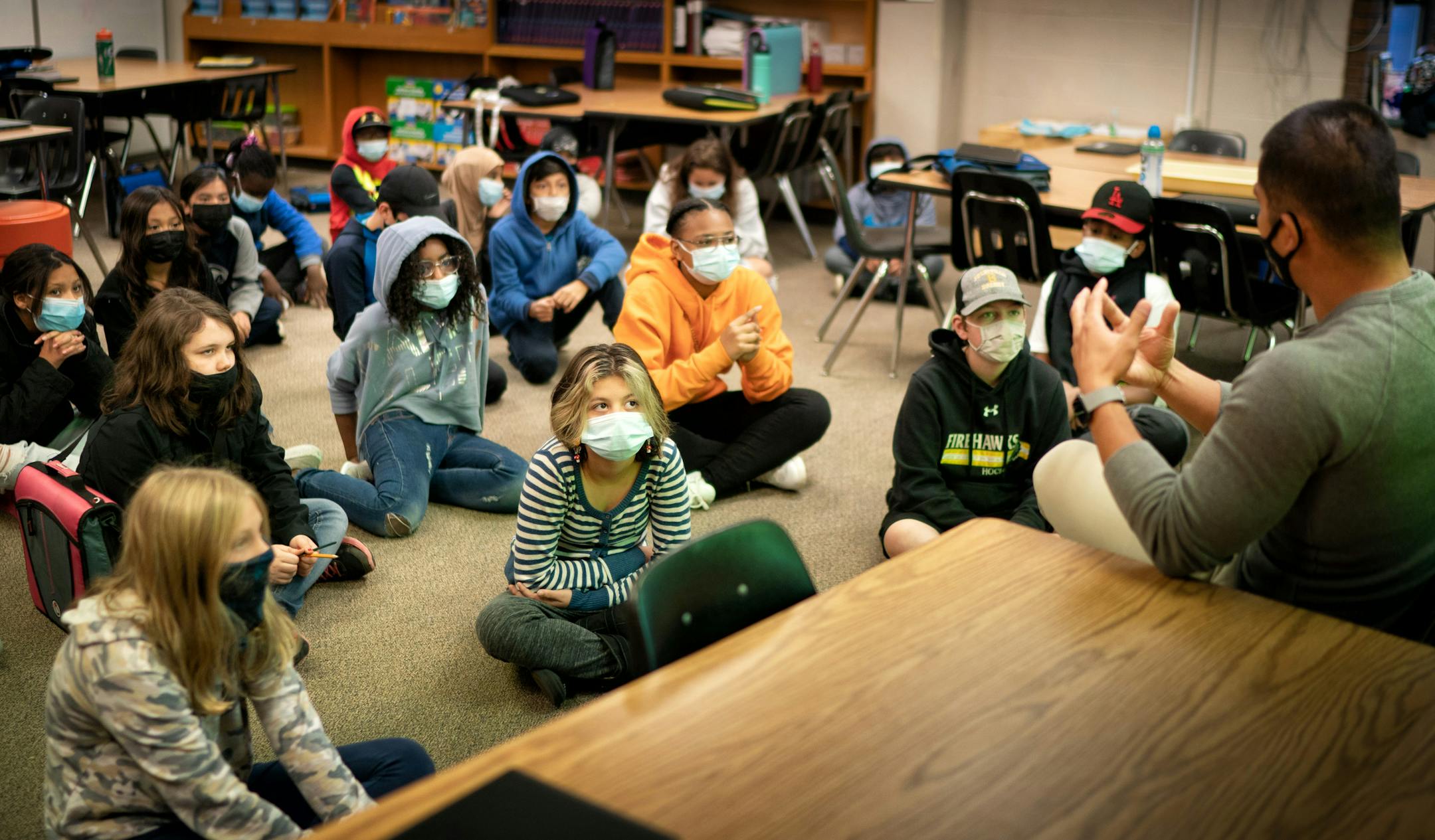
In a world of globalized professions, a world-class education is the foundation on which our children will build the skills and capabilities that will enable them to compete successfully in a global marketplace.
Which brings us back to the education policy debate: Gov. Tim Walz supports financing a world-class education for all Minnesota students but hasn't explained why. It's not a nice-to-have if our children are going to be equipped to compete and succeed in the future — it's a must-have.

