

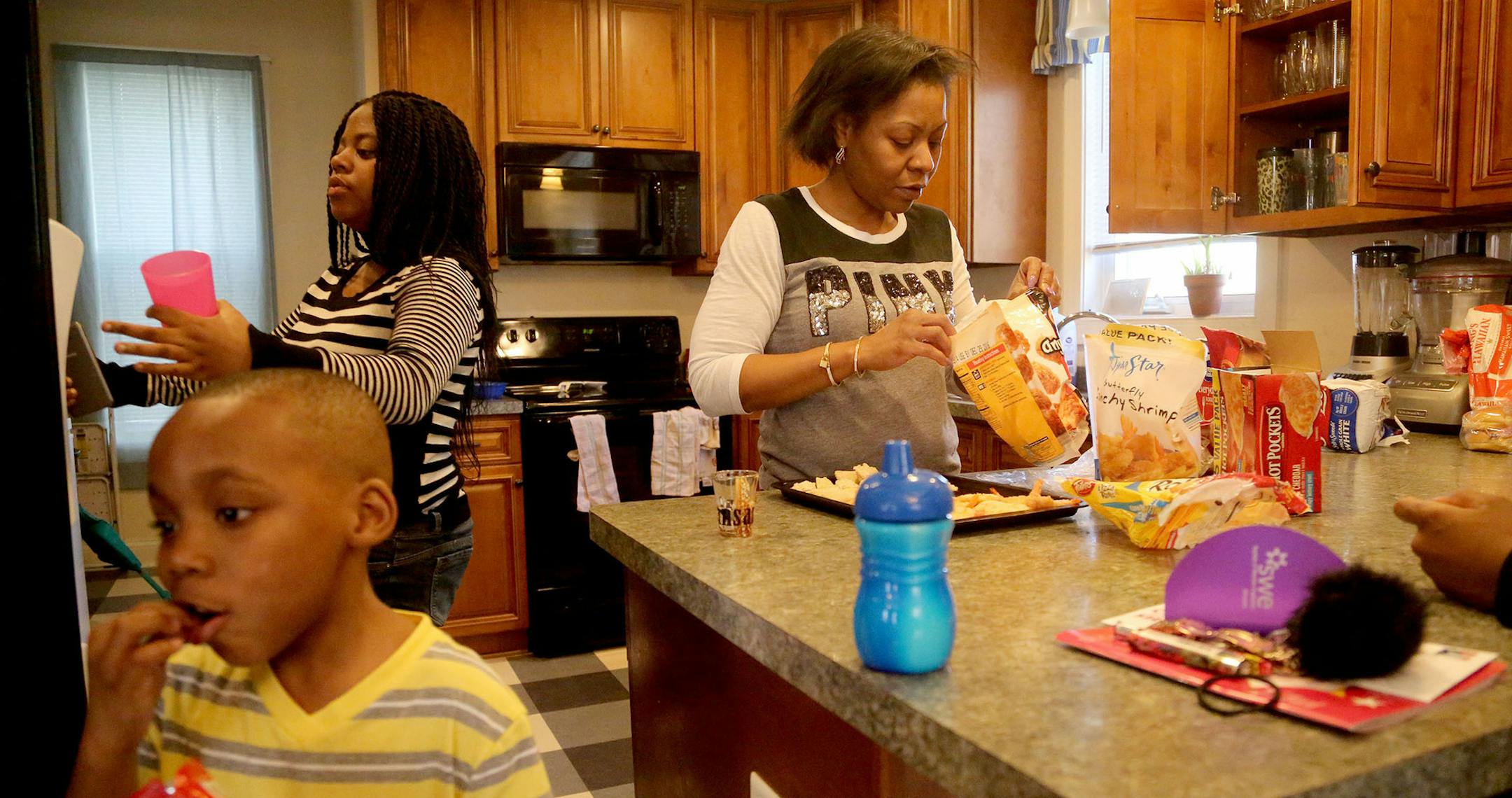
"Taking risks to pursue the American dream" was the headline and "For some poor families, moving to the suburbs is the route up the income ladder" was the subtitle on the Dec. 28 installment of the "Rising from poverty" series (Dec. 28-30). This front-page, above-the-fold story failed to deliver what was promised in the display text.
After the subject of the story moved from Chicago to Minneapolis, the federal government moved her and her children to Chaska for an economic leg up. I read the article from start to finish and never found the "route up the income ladder." I read that the family had a difficult time adjusting to Chaska socially but soldiered on to make friends and enjoy school. We, the readers, will never know if they would have been as happy or possibly happier if they had stayed put. The family seems very nice and I feel sure they are lovely, but how are they better off financially, and how much public money was invested in this and the other families? And last, how did we, the people of Minnesota, benefit from this experiment in social engineering and use of tax dollars?
Elizabeth Anderson, Minnetonka
• • •
I'm not sure if the article about Ethrophic Burnett was a feel-good story or a slap in the face. I'm all for giving people a helping hand when they fall on hard times, but I also expect them to help themselves by making wise, responsible decisions when receiving public benefits. Having six children when you are "poor" and getting taxpayer-provided services does not pass that requirement. Neither does dressing head to toe in expensive Victoria's Secret apparel. Nor getting tattoos.
Does personal responsibility ever enter the equation in these situations? The first thing you should do when you find yourself in a hole is stop digging. Children are the biggest "shovel" there is. Unfortunately this story appears to be the rule, not the exception.
The people who write the check, those of us who work our tails off, deserve better, deserve accountability for the dollars that are handed out to the less fortunate. As part of this, birth control should be mandatory, and cigarettes, alcohol and unhealthy food should not be allowable purchases using EBT funds.
John G. Morgan, Burnsville
• • •
Burnett and her family put a human face on the complex implications of public investments and regulations to improve communities. Their journey highlights the challenges and benefits to creating affordable-housing opportunities in wealthy suburban areas and increasing resources to historically disinvested inner-city neighborhoods.


