

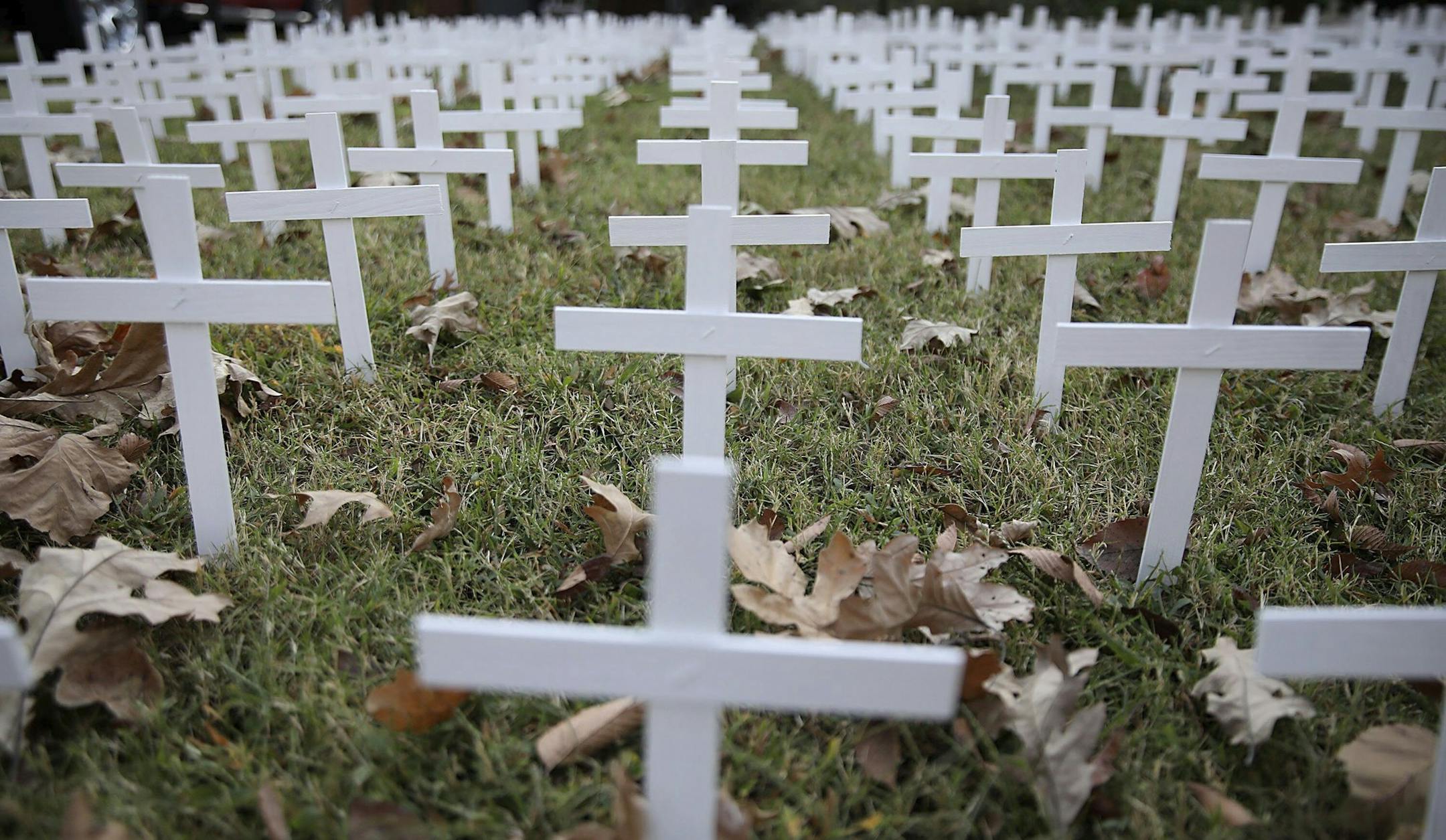
Last night my wife and I received word that her father, a good, kind and honorable man, died of COVID-19 just days short of his 95th birthday. He was not a public figure to be mourned by masses of people. Instead he became another anonymous statistic in the growing number of people whose lives were ended cruelly by a virus.
As I write this letter 220,987 people have died of COVID-19. In the past weeks and months I have thought in a somewhat abstract way about the relatives and friends of those who had died. Now that loss is all too real for me, my wife and her family, and I begin to appreciate the almost incalculable numbers of those for whom the loss is very, very real, and the grief will not go away easily. I think of the wives, husbands, fathers, mothers, sons, daughters, grandparents and many more who grieve and swell that nearly 221,000 to dimensions that will have a profound impact on the soul of our nation and the world for a very long time.
This fresh, painful loss makes me wonder, where is the kind of compassionate leadership on the national level that consoles us and grieves with us? How many deaths should it have taken in the early days of pandemic before we even used that word, to both mourn the loss of ordinary people and actually take the threat seriously and do something to stem such loss? I am left wondering.
The Rev. James R. Young, Northfield, Minn.
CONGRESSIONAL RACES
No to identity politics. Yes to Qualls.
How refreshing to read the inspiring words of Kendall Qualls in his recent editorial counterpoint, "Personal agency does have power" (Oct. 20).
At a time of civil strife in the United States, when our increasingly divided nation cries out for reconciliation and those shared meanings and aspirations that can be embraced by all Americans regardless of race, creed, ethnicity or gender, Qualls strikes just the right chord.
By highlighting the need for personal agency, he points to the means by which men and women achieve self-respect and the pride that comes from personal autonomy, factors essential to the functioning of a democratic society.
And by speaking out against those like Rep. Dean Phillips, who seek to recast America as a "systematically racist" nation and to date its origin to 1619 in a bid to make Americans ashamed of their history and undermine the present, he speaks to the tens of millions of ordinary Americans, whatever their origins or skin color, who are sick and tired of the debilitating toxin of identity politics. Such well-meaning Americans — and they form the majority of those who live in this blessed land — have had enough of those who cynically sow the seeds of racial and ethnic division for personal or political advantage, and Qualls deserves our admiration for his courage and decency in speaking out against the divisiveness threatening to tear our nation apart. Indeed, he is the type of person we badly need in order to help reconcile this fractured nation to itself.
Bernard Carpenter, Chanhassen
• • •
After listening to Phillips' Minnesota Public Radio debate with Qualls, I was struck by his clear explanation of his positions and values. His confidence in his policy initiatives and voting record demonstrates his faith that he has honestly represented the Minnesotans who elected him. Phillips is a bright spot in the dim Washington firmament; he demonstrates that politics should not be about self-aggrandizing politicians but about the people they promise to serve. I am grateful for his bipartisan efforts to benefit the common good in the face of chaos (note his Paycheck Protection Flexibility Program, which gave more flexibility for national COVID relief funding). His ability to listen is a kind of vulnerability that only comes from, and ultimately delivers, strength.

