

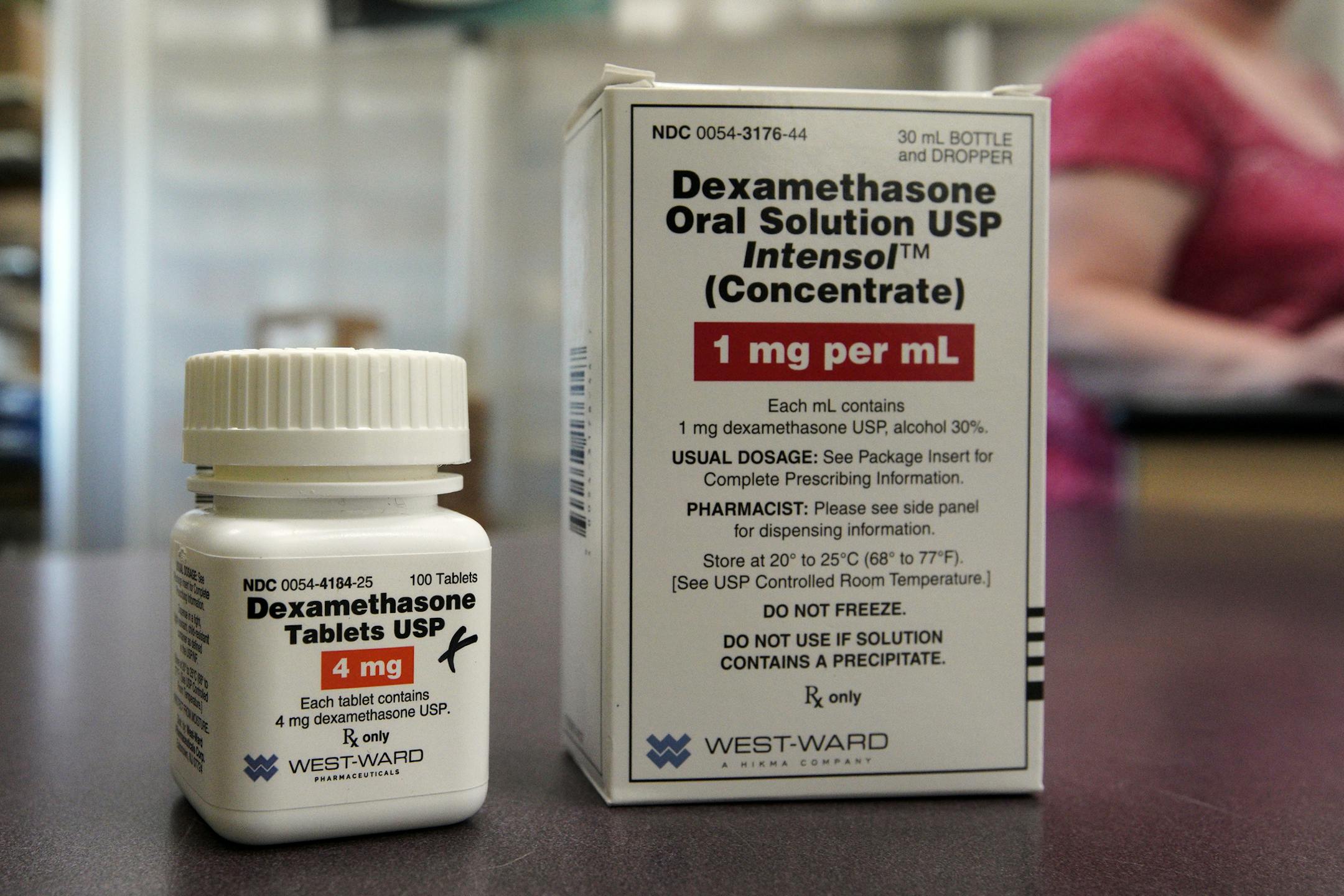
A recent article in the Star Tribune reported on the findings of a large British study that found a significant benefit to using dexamethasone, a corticosteroid, in patients with severe COVID-19 ("HCMC's bullish use of steroid backed," front page, June 17). A focus of the article and the accompanying headline was that at Hennepin County Medical Center, we have given corticosteroid therapy to the majority of our critically ill COVID patients, as have many other medical centers in the U.S., Europe and China.
While the recent data from the United Kingdom does suggest there might be some benefit to this approach, it is important to put this in perspective. Corticosteroids are by no means a magic bullet for COVID-19. Many of the patients we have treated have progressed to irreversible respiratory failure, including several who were relatively young and previously healthy. At this time there is no therapy that will reliably reverse severe COVID pneumonia.
We are aware of the recent rapid increase in COVID hospitalizations in a number of states that recently relaxed their policies on social distancing and fervently hope that this does not happen in Minnesota. Until an effective vaccine becomes available, it is important that all Minnesotans continue to follow the recommended guidelines regarding use of masks, social distancing and hand hygiene to lessen the degree of community spread of this sometimes-lethal virus.
James Leatherman, HEIDI ERICKSON and ROBERT SHAPIRO, Minneapolis
The writers are doctors at Hennepin County Medical Center.
• • •
To anyone over age 2 who doesn't want to wear a mask in indoor public spaces for "medical reasons": To my knowledge — as a family physician with more than 40 years of experience — there are two main reasons for true medical difficulty wearing a mask:
1. Severe heart or lung disease. People in this category are at such high risk from COVID-19 that except for visits to the emergency room, they should probably stay home, have their groceries and medications delivered and see their outpatient health care providers virtually. It's tough, but the risk of going out, with or without a mask, is probably too high for you.
2. Severe anxiety or claustrophobia. That is truly a problem, but with therapy, some patients have been able to desensitize themselves to the point of being able to wear a mask at least for short times to do the things they really want to do. Wearing a cloth mask for a little while to go out is a whole lot easier than wearing an oxygen mask or being on a ventilator 24/7 for days or weeks if you are one of the unlucky ones who gets severe COVID-19.
For the rest of you, get over yourselves and wear your masks! It may be mildly annoying, but you, your neighbors and your community will be safer for it. Thank you.


