

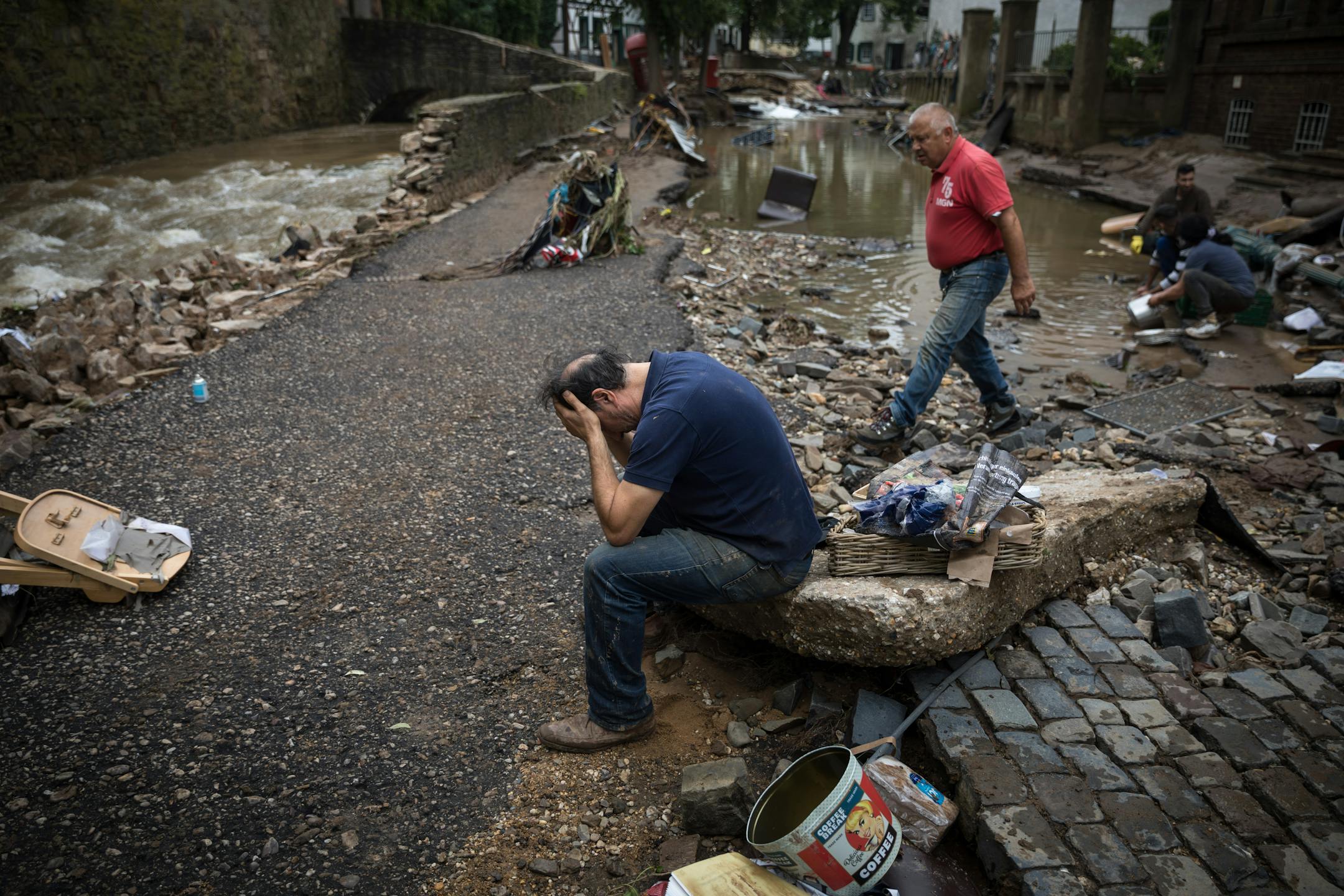
It's a great start that the Star Tribune Editorial Board has recognized that civilization is accelerating toward disaster and that we need swift action on climate change ("Weather extremes should spur action," editorial, July 25). Now it needs to lead the communication on the urgency and opportunities of our situation. The United Nations Intergovernmental Panel on Climate Change (IPCC) recognized in 2018 that we had less than 12 years to slash greenhouse gas emissions or face a horrific future in which hundreds of millions of people will go hungry, become homeless or perish.
Our news sources are not just for entertainment. They also have a responsibility to inform and arouse people to act. The IPCC scientists shared that limiting temperature rise to 1.5 degrees Celsius would require a fundamental transformation of energy, agriculture, transportation and other sectors of the global economy. Our news sources need a similar transformation.
There are strategies, policies and actions that we must take now, but few of us are aware of them. It is time for the Star Tribune to devote a daily section of the paper to educate us. I'm sure it could fit somewhere between the full-page Enbridge tar sands ads and the Travel section articles on how our lives will be complete with a (carbon-filled) family trip to Australia for a koala selfie.
This is a runaway train racing toward us, and our news media has been asleep at the switch. This is not alarmism; it is scientific fact. It is an immense challenge, and if we don't get it right, nothing else will matter. Our news outlets have gotten it wrong for decades. It's time to make amends.
Mark Andersen, Wayzata
•••
A headline in the July 25 paper states that the "World may be at tipping point for climate action." I am baffled and discouraged that the need for climate action wasn't abundantly clear much earlier. Certainly, we do not want to leave to our children and grandchildren an earth that is burning, flooding and poisoned. Minnesota's Republican House and Senate members are parents to a total of around 250 children and an unknown number of grandchildren. I ask these parents and grandparents to think about their kids' future when they vote on climate legislation. What kind of ancestors do they want to be: ancestors who helped the world become better? Or ancestors who contributed to its destruction?
Nancy Rodenborg, St. Paul


