

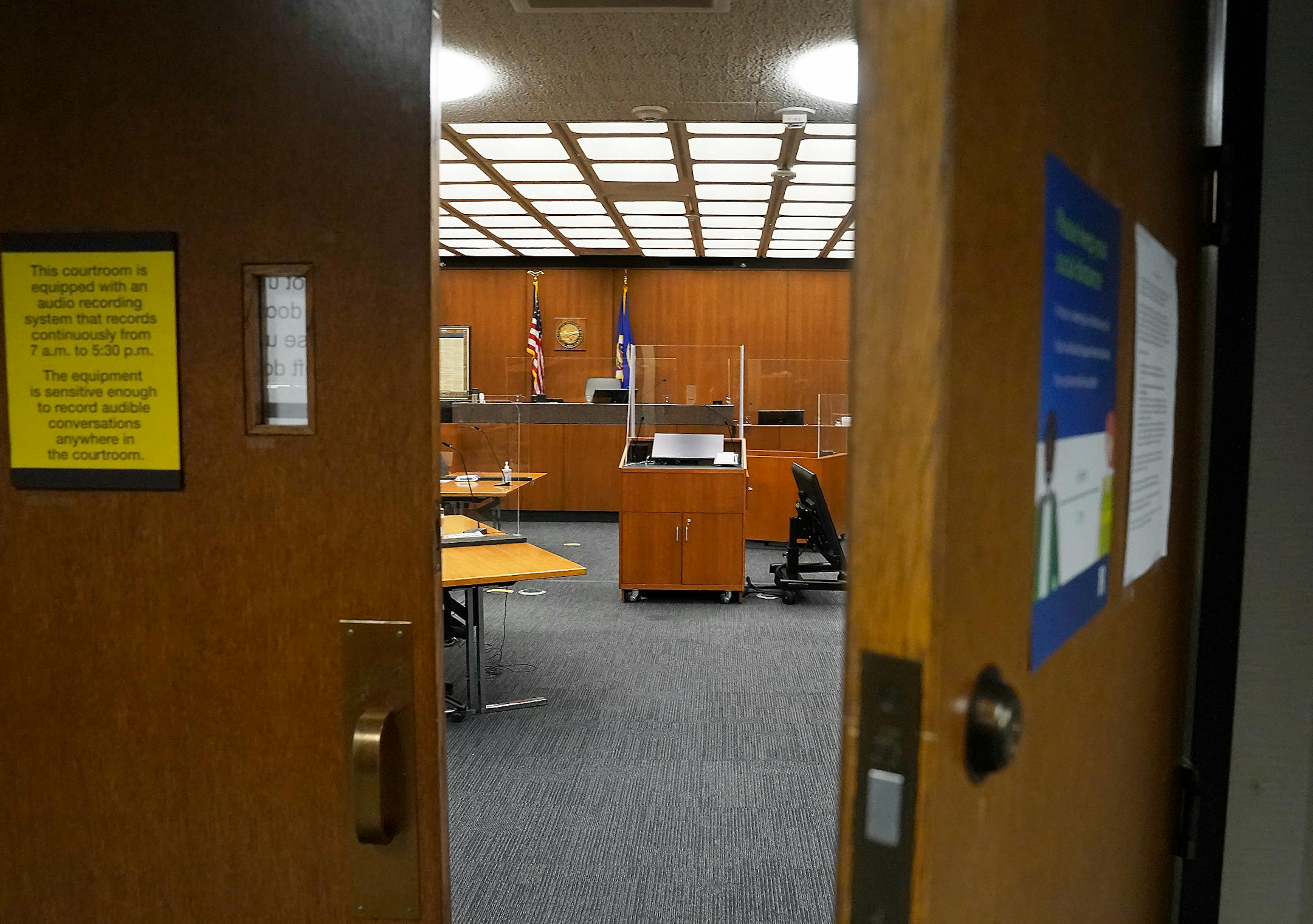
One of the oldest legal maxims is not only must justice be done, but justice must be seen to be done. How is it, then, that four decades after other states have routinely had cameras in the court, Minnesota is still debating whether to broaden access? How is it that the panel studying the issue here contains only attorneys and judges? ("Panel looks at camera policies for courtrooms," Nov. 13.)
What are they afraid of? Nearly 70% of other states have longstanding rules and media relationships, many going back 40 years, including Iowa and Wisconsin. Just pick from one of those many models.
Over 23 million people watched some of the Derek Chauvin trial. Local reporters and experts did an excellent job helping us add context to what we were seeing. Studies have shown for over a decade that televised trial coverage educates the public about the courts and does not interfere with proceedings.
The time for "experiments" and closed-minded advisory commissions is over. The Minnesota Legislature needs to legislate presumed camera access with certain obvious exceptions. Choose transparency. Choose the First Amendment.
Public dollars fund the courts, judges, prosecutors and public defenders. We should be able to see how they work.
Tom Garrison, Eagan
RITTENHOUSE TRIAL
He is responsible for himself
Kyle Rittenhouse "is also a victim"? (Opinion Exchange, Nov. 23.) Are rapists victims of socialization within a culture of male domination? Should we change the laws to reflect the idea that they are "provoked" to acts of violence by the actual victims? Obviously not, because we need common-sense laws that discourage acts of violence in lieu of a framework that enables killing in the name of "self-defense." Rittenhouse wouldn't have done what he did if there were severe consequences for that type of behavior. Sociology has its place, but if you're not thinking about how to take on the gun lobby and make America tangibly safer, I don't want to hear it right now.
Roman Morris, Minneapolis


