

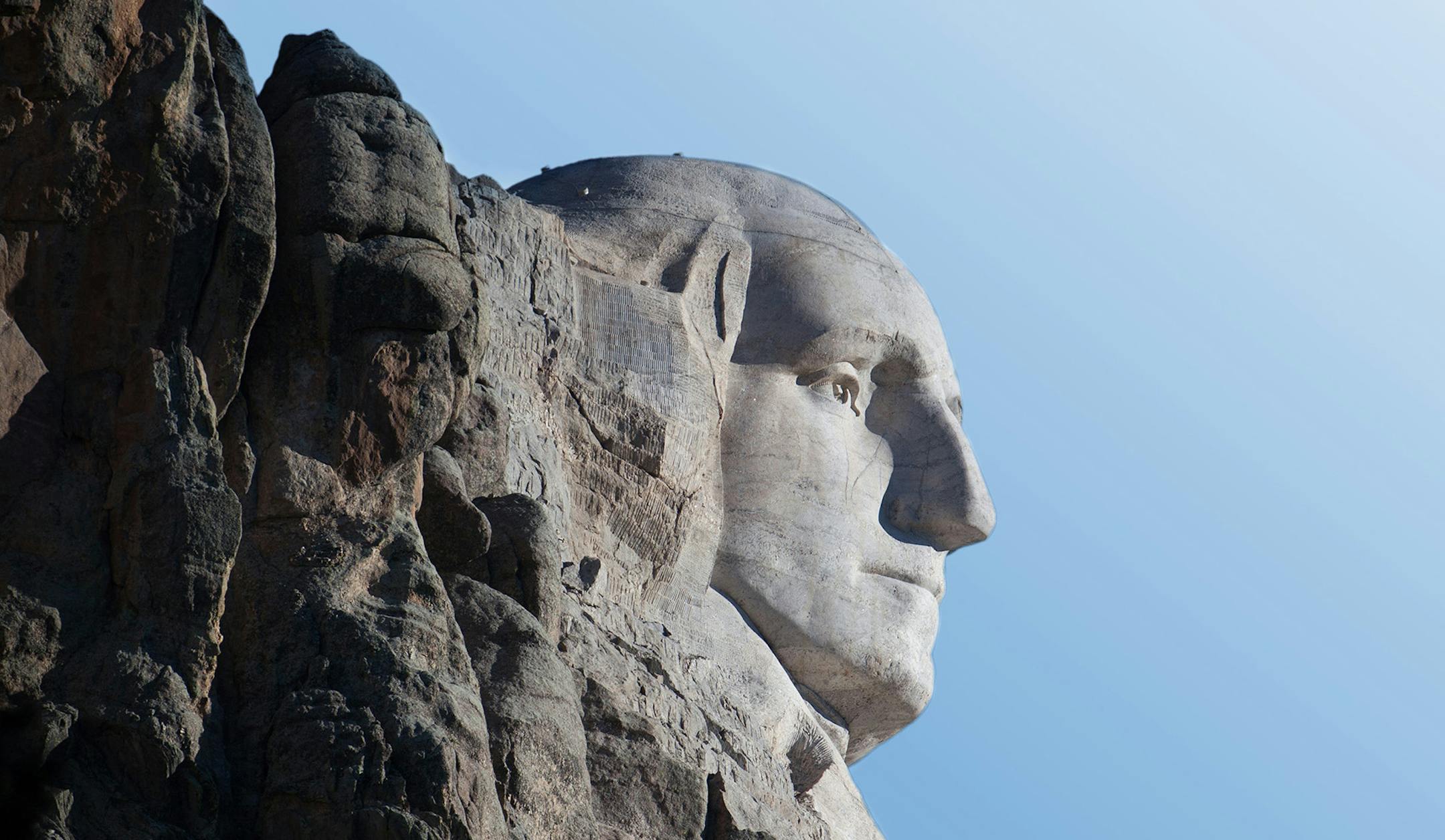
Ron Way's July 31 commentary "The real history of Mount Rushmore" was incredibly informative and interesting, but a well-educated reader shouldn't have to be reminded "how the West was won." I've taught social studies for almost 20 years and have seen the importance placed on the subject I teach not just dwindle but be tossed aside altogether. At what expense? State testing — a topic that, ironically, was discussed in another article the same day ("More students opting out of standardized tests").
There are rarely enrichment opportunities for students who love American history, because our schools have focused so much on reading and math scores, essentially teaching to those tests and nothing else. Administrators are gradually pushing social studies aside, and parents and teachers all too often stand idly by.
Way's article was an outstanding account of real history, but I honestly fear that many young (and old) readers were enlightened by it. In this current time, we see protesters, bloggers and writers on both sides argue over society, race, justice and equality, the core issues we are facing, without understanding our past. These debates too often boil down to who can yell louder.
The candidates of the 2016 election generalize that we are "failing our students." Maybe our students and schools should be held accountable for more than just math and reading, or better yet, should scrap the Minnesota Comprehensive Assessments altogether and emphasize a well-rounded education.
Bob Schweim, Lakeville
• • •
In an otherwise comprehensive overview of the long conflict between native Indians and immigrant settlers, Way suggests the Dakota who rose up earlier in Minnesota were not "practiced warriors" like Red Cloud's. In fact, their initial attacks killed hundreds, emptied New Ulm and other areas of settlers, and forced hundreds more into hastily built stockades. A determined defense of ill-prepared Fort Ridgely and the fortuitous early discovery of their planned ambush at Wood Lake contributed to their defeat, and perhaps prevented still more Dakota victories. Red Cloud's war may be better known because the drops of blood Little Crow and his fierce warriors drew in 1862 were lost in the buckets shed during the Civil War.
Doug Gray, Bloomington
• • •
Way asserts a Lakota claim to the Black Hills, based on a 2012 United Nations report advising the area's "return to indigenous peoples." But the Lakota took the Black Hills from indigenous Cheyenne in the 1770s. The Cheyenne took the area from indigenous Arapahoe, who had driven out indigenous Crow, Kiowa and Pawnee. Historians note the Arikara people were indigenous to the Black Hills back in 1500. Who gets to define "indigenous?"


