

•••
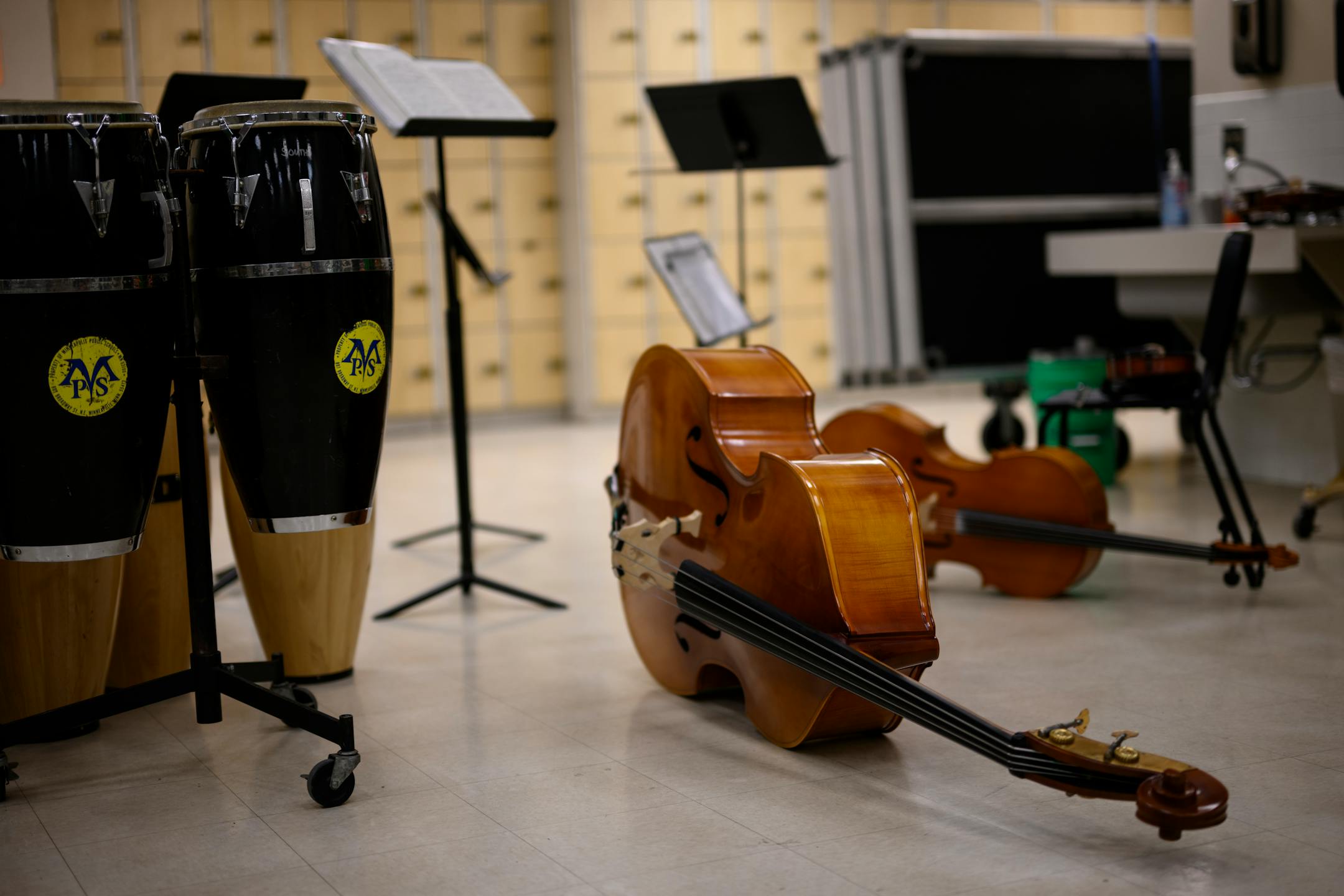
I couldn't agree more with the June 9 editorial's headline, "Arts programs matter in our schools." I wish, though, that the editorial was more specific about "other strategies" that could supposedly be used to avoid arts cuts such as those being considered by Minneapolis Public Schools.
Consider the causes of the budget troubles that put arts programming on the cutting block: the size of a contract settlement that significantly increases teacher pay — who wants to oppose that? Declining enrollment — no one who's paying attention to pre-K-12 or postsecondary education can deny that we're in a demographic tsunami resulting in far fewer kids for schools to compete for. And don't forget the federal government's broken promise about funding special education.
Note, too, the angry opposition that arises when financially strapped school districts opt for building closures to address the funding shortfalls caused by declining enrollment and inadequate state funding. And keep in mind that public schools at the moment have sizable amounts of federal pandemic funds that camouflage — but only temporarily — some of the budget troubles school districts face.
I'm in my 12th year on a school board that has been forced by the previously mentioned factors to close buildings and make cuts in the arts and other equally valuable academic areas. I've heard lots of suggestions like the editorial's "other strategies" — "think outside the box," "get creative," "find alternate funding streams" — and none of them come anywhere close to solving the budget troubles. Pure and simple, we must face the fact that funding for public education, from pre-K through postsecondary, has inescapable structural problems that can't be solved by wishful thinking or simplistic bumper-sticker solutions.
Steve Schild, Winona, Minn.
The writer is First District director of the Winona Area Public Schools Board.


