

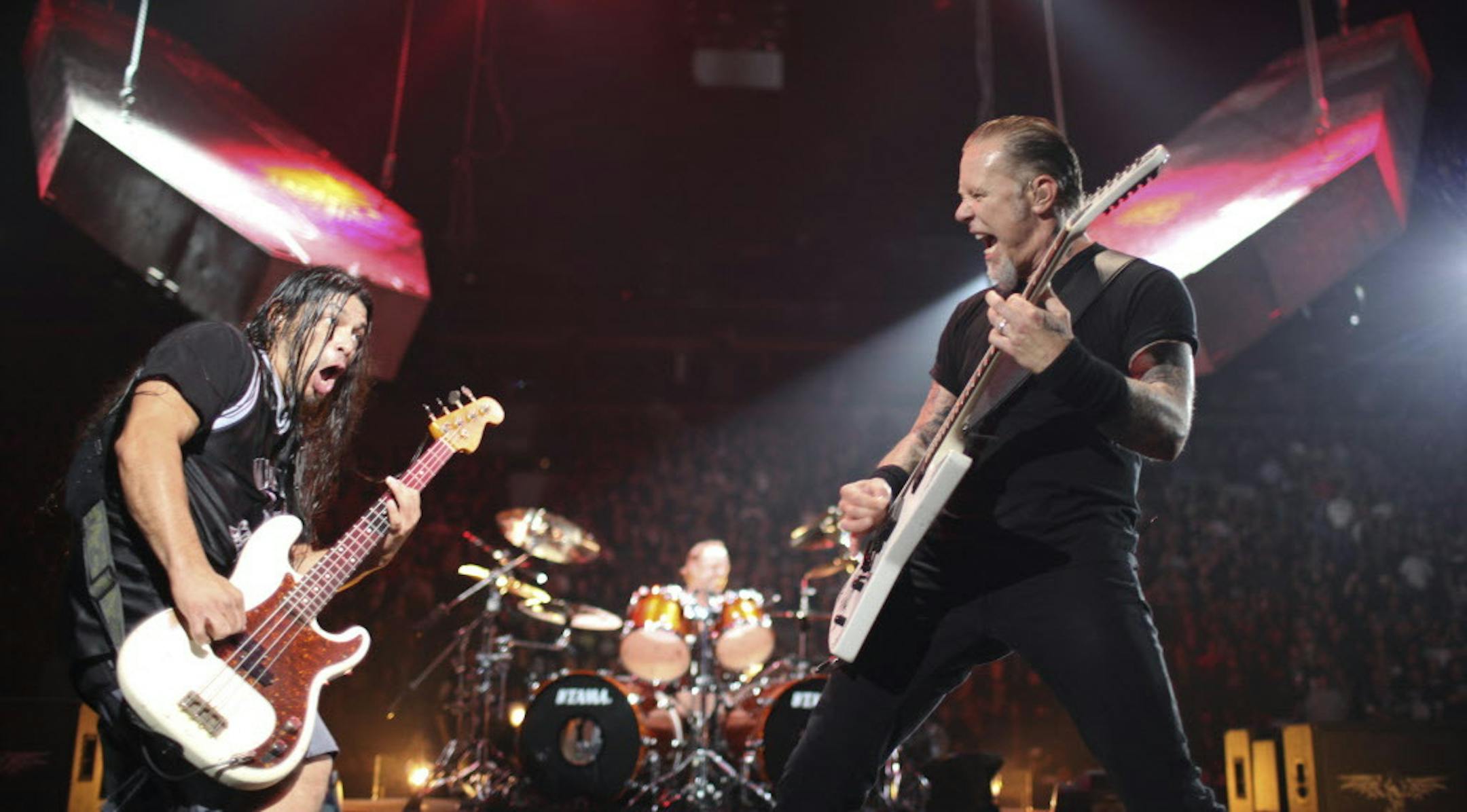
A lot of Minnesota music lovers are upset that tickets for shows are sold out before they can get through to Ticketmaster. Then they learn that tickets are being resold on predatory secondary sites like StubHub for extremely inflated prices by scalpers. It is estimated that more than 60 percent of tickets are scalped by computer programs or scalping bots that buy up large blocks of tickets before the public has a chance to buy them at their original value. Case in point: Tickets to an upcoming Metallica concert at U.S. Bank Stadium recently sold out in 10 minutes (Minnesota section, March 26). Many fans reported using multiple people on multiple devices and not being able to get into Ticketmaster.
I cannot think of other transactions that allow predatory scalping. It's time to stop this. A fine of up to $1,000 per scalped ticket should fix the problem.
Scott Johnson, St. Francis
FAMILY, MEDICAL LEAVE
Loss of our daughter to stillbirth made the issues painfully clear
On Oct. 9, 2015, we lost our daughter to stillbirth at 34 weeks due to an umbilical cord accident not detected by doctors. This loss for our family has become worse as we have had to absorb a large number of financial costs related to our loss. From funeral, autopsy and counseling, it has added another level of stress in an already stressful time.
In recent years, there have been a number of attempts to address some of these issues in the Minnesota House of Representatives, but they have gone nowhere. Specifically, HR 2260 was aimed at expanding family and medical leave relief for the death of a child, as current law only allows for one week of bereavement leave, which is nowhere near enough.
Stillbirth families and friends need to demand action by our representatives to address this gap.
Steve and Jill Schumacher, Eden Prairie
FARMING
Farm size has nothing to do with ag illiteracy
I appreciated the March 26 commentary "When 'meat' and 'cheese' fall victim to impostors" (March 26), about the labeling of alternatives to these foods, until I read how "[d]ecades of industrial agriculture have separated us from farms and farmers." Really?
"Industrial agriculture" has nothing to do with it. Since World War II, farm numbers have declined because people quit farming. Why? Farming is a demanding, cyclical, unpredictable, messy and sometimes lonely business, all the while requiring the owner to be on call 24/7.
I grew up on a dairy farm, and the cows always came first — in priorities for the day and as well as in budgeting for family vs. farm expenditures. The extent of our family summer vacations was to go somewhere within a two-hour drive, belong to a ball team and make time for the county fair.


