

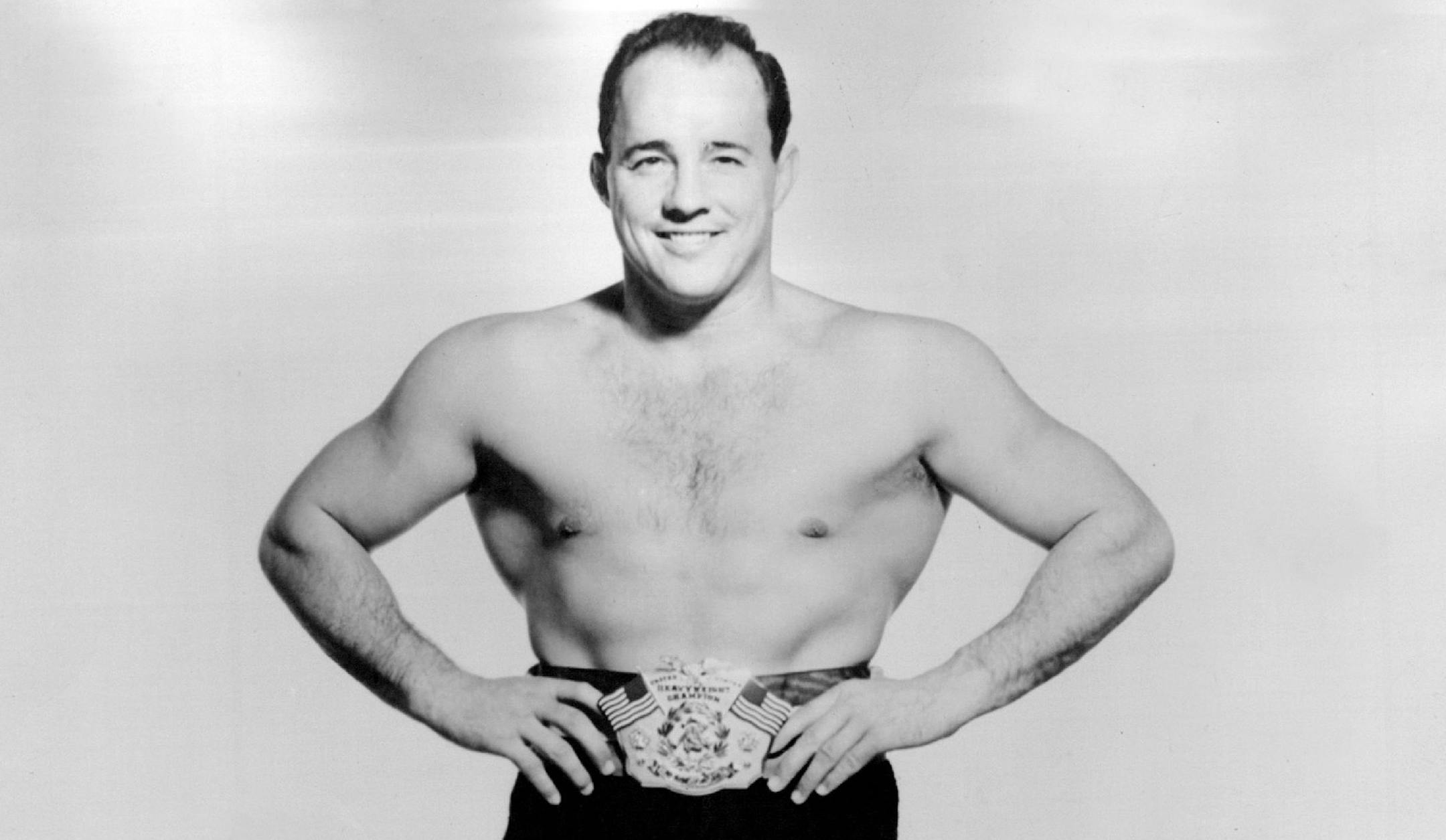
The coverage of Verne Gagne's death this week sure brought back great memories of my younger days growing up in Minneapolis. Every Thanksgiving, my dad, uncle, sister and cousins would end the day by going to the AWA wrestling card downtown. Verne would usually headline the card, and many times we saw him "wrassle" with Mad Dog Vachon for the championship and in other main events throughout the year. It was always hotly contested, and the two of them certainly gave everyone in the crowd their money's worth.
Those cards were in the days when we fans could actually go up to the corners at ringside and get autographs from the wrestlers (usually from just the good guys, since the bad guys did not break their personas). Half the fun would be watching other fans who really took the results so seriously. Thank you to Verne; to Greg Gagne, his son, and the other American Wrestling Association stars who put on the entertaining shows during those times. As far as I am concerned, Verne will always be the greatest champ.
Ron Brevig, Burnsville
SOUTHWEST LRT
Don't panic at cost fluctuations; let engineers do their work
Let's not overreact to the news of the Southwest light-rail budget increase ("$2B tag puts SW light rail at risk," April 28). It is perfectly normal for a project of this magnitude to experience cost increases during design. Engineers will work to get those costs down. While the increase is serious and certainly higher than we have seen on our other LRT projects, it is not out of line with the experiences of other projects around the country.
The Star Tribune Editorial Board ("Rethink SW light rail, but still value transit," April 29) asks why these costs weren't known before. It's part of the engineering process. Soil testing can't be done until engineers know where the route is going and what design features such as bridges will be incorporated. That information was settled only last fall. It takes time to get measurements and interpret the data. While engineers were able to use some soil data from other projects in the area, it did not cover the entire extent of the line. It's those areas where the surprises came up.
My experience as an engineer in the private sector tells me that large projects go through many cost fluctuations. It's part of the engineer's job to find solutions within budget and other constraints. If engineers can't get the cost down enough, then it is time to consider more drastic changes. But right now, let's give the designers space to do their work and make decisions when they come to us with options.
David Greene, Minneapolis
The writer is a member of the Southwest LRT Community Advisory Committee.
THE LEGISLATURE
Veterans and homelessness, transportation, Sunday sales
State Senate tax committee chair Rod Skoe's suggestion that homelessness among veterans is best addressed through a tax credit encouraging businesses to hire them is helpful but not sufficient ("DFL offers own tax cut plan, totaling $460M," April 28). The evidence from our most recent survey shows that 57 percent of homeless veterans in Minnesota today suffer from a serious mental health condition, and one-third have evidence of traumatic brain injury. Sixty percent have been homeless for longer than a year and have median monthly incomes of about $600.
The 2012 statewide homeless survey showed a 10 percent reduction in veteran homelessness that can mainly be attributed to targeted efforts addressing health, housing and employment. We need to persist in this multipronged effort if we want to see another significant reduction in veteran homelessness in our 2015 survey.


