

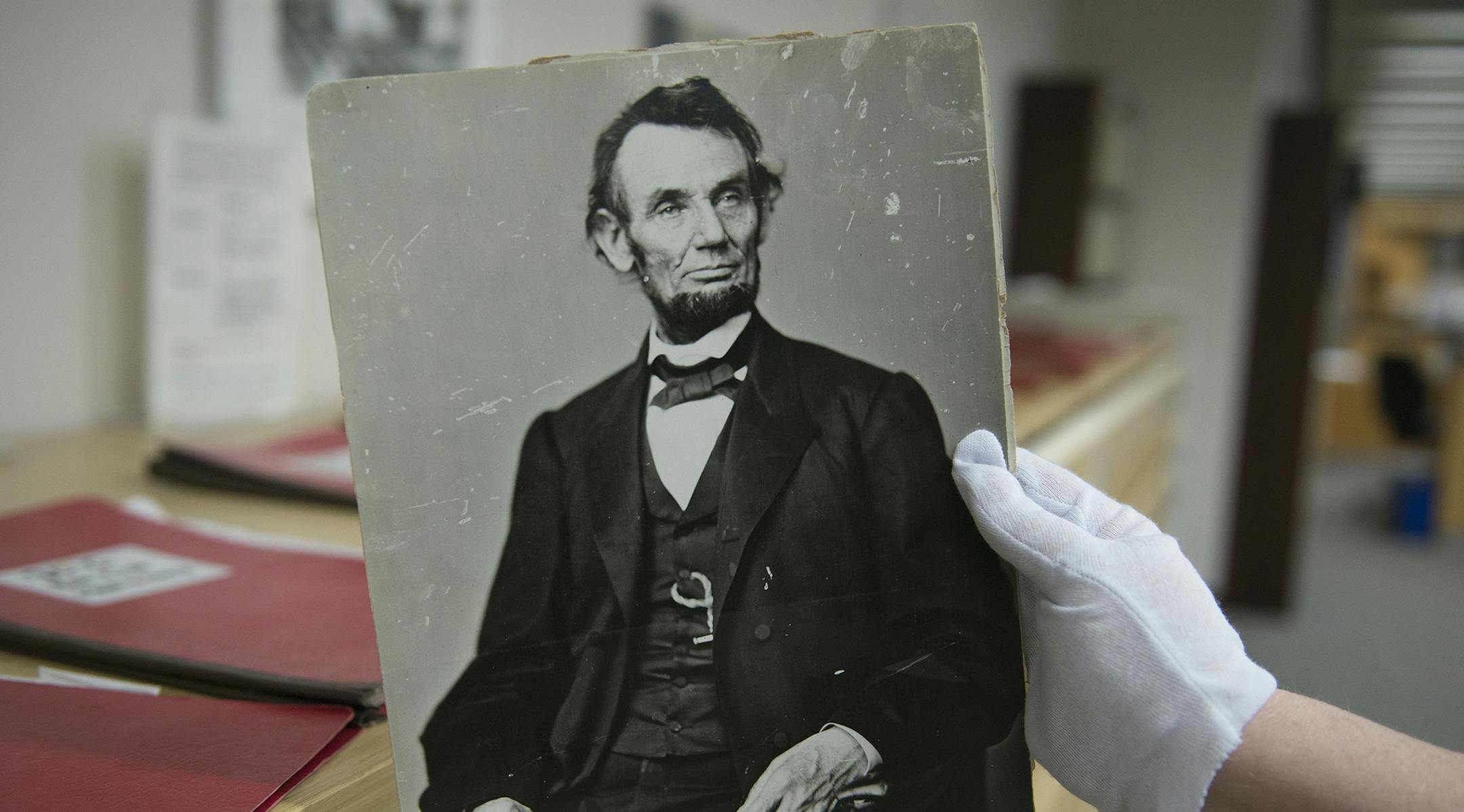
If Stephen B. Young's account, in "Lincoln put blame on none, burden on all" (Opinion Exchange, April 20), represents the Caux Round Table's "business leaders working to promote a moral capitalism," their understanding of morality is a threat to consumers, citizens and, ultimately, to investors.
Young showed no understanding of the intergenerational impact of deep poverty, of legal and political decisions designed to limit access to power (including the right to vote), of the limitations imposed on low- and moderate-income people by executive decisions ensuring extreme incomes to corporate power brokers, and of historic as well as continuing prejudice and discrimination based on race, social or economic class, or immigration status.
He also misrepresented Lincoln's morality, which was grounded more in a political commitment to restoring nationhood than in Christian humility.
The "moral capitalism" Young advocates aims to assure that the rich keep getting richer — some of that at the expense of moderate investors. Even being charitable to the business leaders he represents, they deserve incomes, at most, of less than six digits (whereas many or most are likely in the seven-digit range) — and absolutely no influence on shaping "moral capitalism."
Louis Stanley Schoen, St. Louis Park
DEMOGRAPHICS
As some exit this area, others are coming, or want to, no?
I have a solution to the demographic problems associated with the aging populations of developed countries and for Minnesota's employment crisis due to the exit of its young people ("Minnesota youth exodus spells job crisis ahead," April 19): Welcome educated immigrants and invest in the education of the ones already here.
April Spas, Minneapolis
• • •
Journalism increasingly conflates Minnesota and the Minneapolis-St. Paul metro area. This bad habit renders the April 19 article about demographic trends almost meaningless. Depopulation in most regions of the state has been underway for decades. That's not news. Is the Star Tribune saying it's now true also of the metro area?
Curtis Johnson, Edina
TRANSPORTATION FUNDING
Nothing wrong with metro money funding metro needs and projects
Ahh, Greater Minnesota — evidently the metro area is Lesser Minnesota. And once again, the Star Tribune Editorial Board ("Fund transportation for state's long haul," April 19) suggests using funding raised principally in the metro area to fund projects in outstate Minnesota (my term for "Greater Minnesota"). This on top of the earlier proposed funding for broadband in outstate Minnesota ("Broadband grants are an odd target for cuts," April 16).


