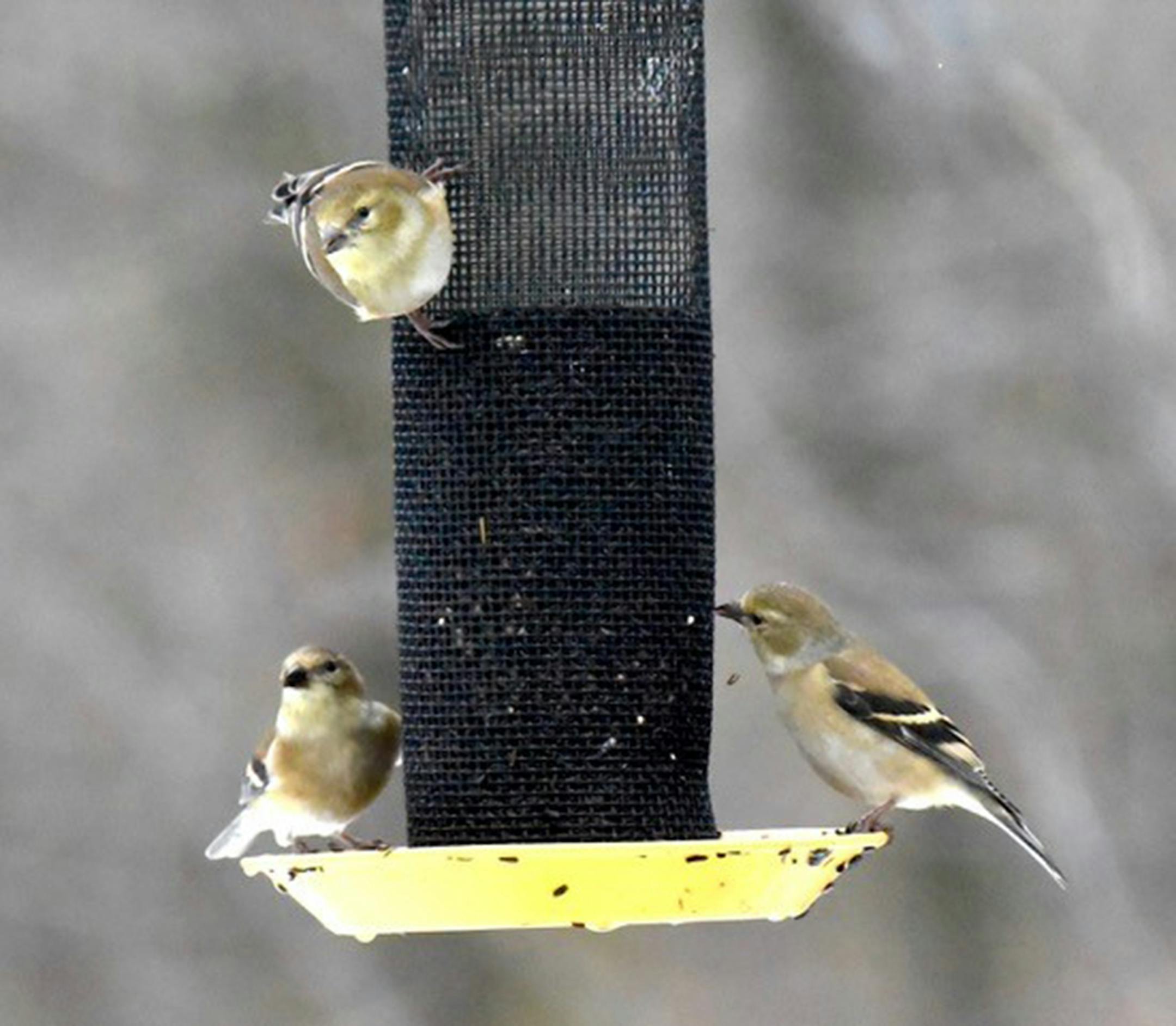
Q: We feed nyger seed to our finches but don't know whether they eat the whole thing or if there's an outer husk with the meat inside. There are piles of tiny black seeds under our feeders and I'm wondering if these are just the discarded outer shells or is a lot of seed spilling out of the feeder?
A: There is, indeed, a tiny seed inside that thin, black outer shell, says Kraig Kelsey of Kelsey's Wild Bird Store in North Oaks. He notes that it's so small it almost doesn't seem worth the finches' time to get to the seeds, but they do. They use their thin beaks to crack the shell open in the blink of an eye and swallow the seed as they're spitting out the shell. They love nyger for its high oil content. And they probably do spill a bit — that happens at my finch feeders, too, but I think you can rest assured that your goldfinches are enjoying the feast you set out for them.
Suet search
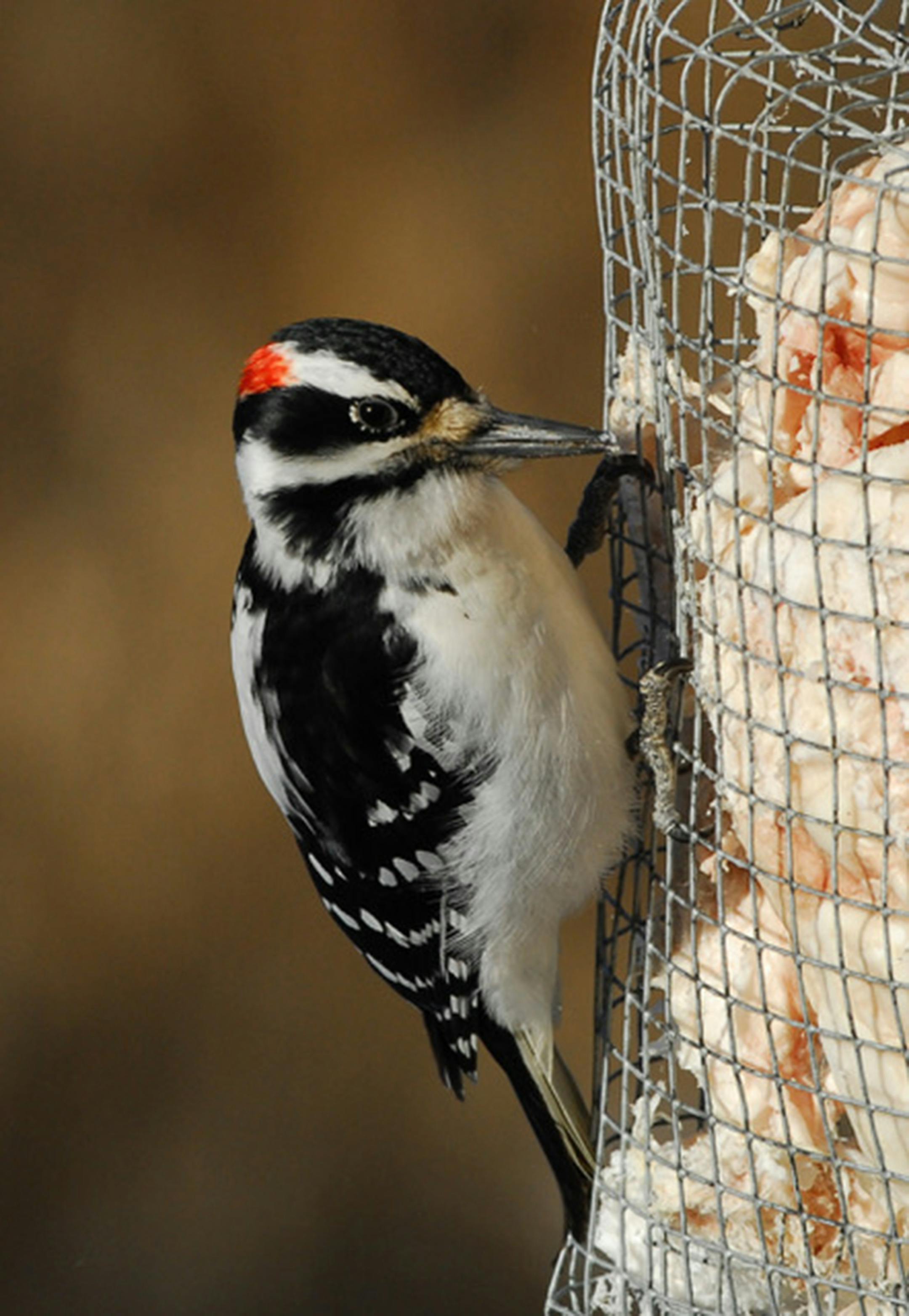
Q: I know birds like suet in the winter, but I can't find the real thing anywhere; none of the grocery stores I go to seem to stock it. Any suggestions?
A: You're right, birds relish the quick energy in animal fat on cold winter days, but suet is hard to find. And when it's available it's usually expensive. Years ago, meat counters used to almost give the stuff away, but now that demand is high, so is the price. An alternative to chunks of kidney fat is to buy pressed suet cakes at wild bird stores (and some hardware stores). These usually include seeds, nuts, cracked corn or fruit, and because the fat is rendered, they won't melt (as raw suet does) as the days warm up. You can also make your own cakes at home by mixing a fat source with peanut butter and things like cornmeal (see recipe nearby).
Are robin numbers up?
Q: Is it just my imagination, or are there more robins around these days?
A: You're not imagining things: There are more robins around in the wintertime these days, and the Cornell Lab of Ornithology has the data to prove it. Their cadre of citizen scientists participating in Project FeederWatch have been reporting increases in backyard robins for years. For instance, in the winter of 2015-16, some 68% of feeder watchers reported visits by robins, compared with 32% in 1989-90. There's been an increase in the size of winter flocks of robins, too. More of us are planting fruit trees in our home landscapes, especially crabapples, and fruit is a dietary staple for robins in winter. Another factor is the warming of our planet, bringing higher nighttime temperatures, which helps in robin survival.