Reaction to Obama's NSA changes

January 18, 2014 at 3:49AM
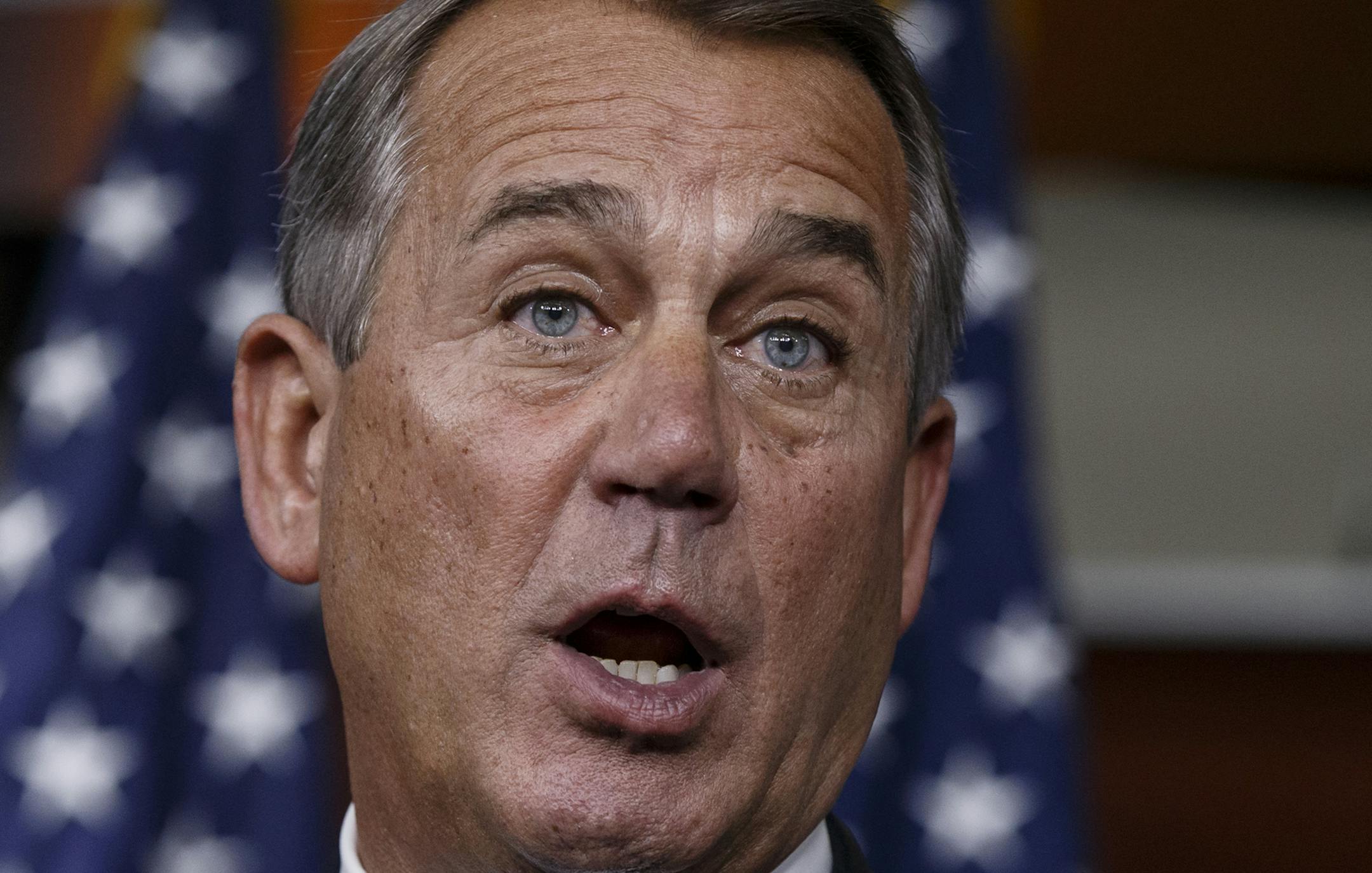
House Speaker John Boehner of Ohio meets with reporters on Capitol Hill in Washington, Thursday, Jan. 16, 2014. On Wednesday, the Republican-run House passed an immense $1.1 trillion spending package, a bipartisan compromise that all but banishes the likelihood of an election-year government shutdown. (AP Photo/J. Scott Applewhite)
House Speaker John Boehner of Ohio meets with reporters on Capitol Hill in Washington, Thursday, Jan. 16, 2014. On Wednesday, the Republican-run House passed an immense $1.1 trillion spending package, a bipartisan compromise that all but banishes the likelihood of an election-year government shutdown. (AP Photo/J. Scott Applewhite) (The Minnesota Star Tribune)

"Because the president has failed to adequately explain the necessity of these programs, the privacy concerns of some Americans are understandable. When considering any reforms, however, keeping Americans safe must remain our top priority."

Speaker John Boehner, R-Ohio

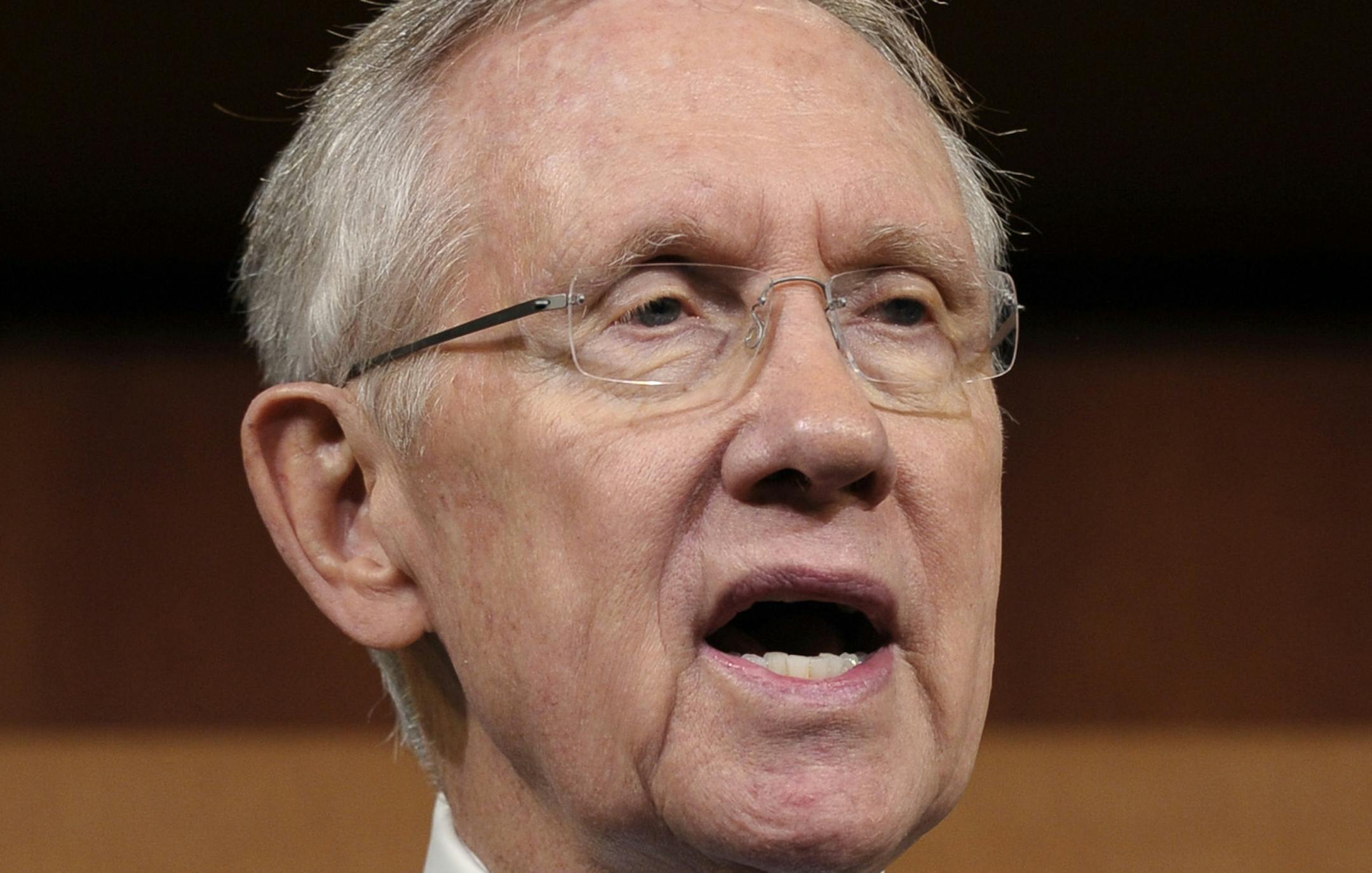
"Today President Obama proposed bold and real steps to reform the methods the intelligence community uses to keep us safe. These proposed reforms will go a long way towards putting the imperatives of national security and personal liberty into … balance."

Senate Majority Leader Harry Reid

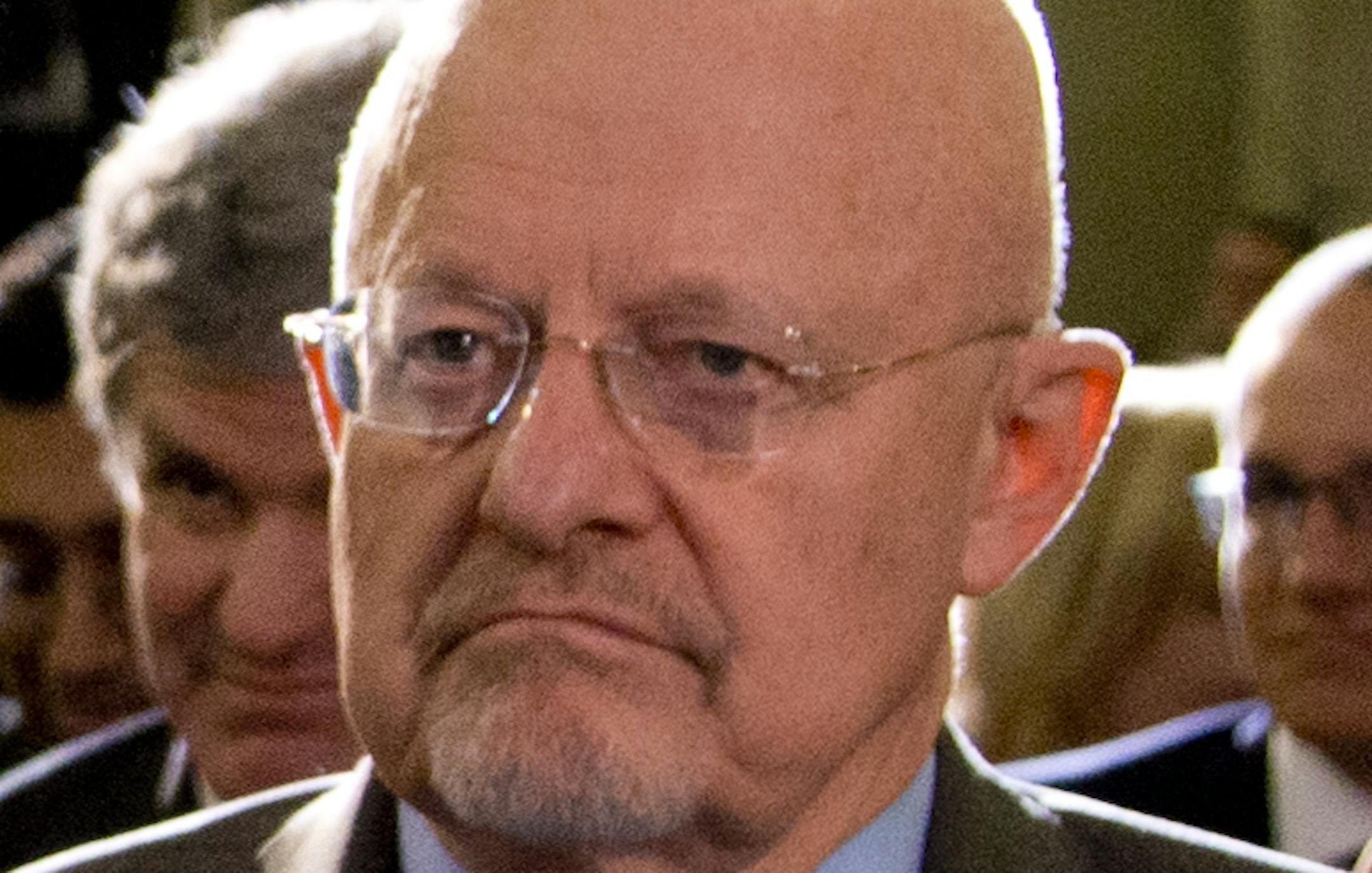
"As intelligence professionals, we have historically preferred to avoid the spotlight. … To build on and maintain the trust of the American people and our international partners, we must embrace the president's call for transparency."

Director of National Intelligence James Clapper

"Obama's speech is an important contribution toward restoring the trust we've lost in our close friend and ally in the past months. … What's particularly welcome is that in future the same rules will apply to citizens of other states as for Americans."

Philipp Missfelder, from party of German Chancellor Angela Merkel
"The president's decision not to end bulk collection and retention of all Americans' data remains highly troubling. The president outlined a process to study the issue further and appears open to alternatives. But the president should end — not mend — the [program.]"

Anthony Romero, ACLU executive director


Senate Majority Leader Harry Reid of Nev. talks about unemployment benefits during a news conference on Capitol Hill in Washington, Thursday, Jan. 16, 2014. The number of Americans seeking unemployment benefits fell 2,000 last week to a seasonally adjusted 326,000, a sign that layoffs are weighing less on the job market and economic growth. (AP Photo/Susan Walsh)
Senate Majority Leader Harry Reid of Nev. talks about unemployment benefits during a news conference on Capitol Hill in Washington, Thursday, Jan. 16, 2014. The number of Americans seeking unemployment benefits fell 2,000 last week to a seasonally adjusted 326,000, a sign that layoffs are weighing less on the job market and economic growth. (AP Photo/Susan Walsh) (The Minnesota Star Tribune)
Director of National Intelligence James Clapper, right, and CIA Director John Brennan, left, sit in the front row before President Barack Obama talks about National Security Agency (NSA) surveillance, Friday, Jan. 17, 2014, at the Justice Department in Washington. The president called for ending the government's control of phone data from millions of Americans. (AP Photo/Carolyn Kaster)
Director of National Intelligence James Clapper, right, and CIA Director John Brennan, left, sit in the front row before President Barack Obama talks about National Security Agency (NSA) surveillance, Friday, Jan. 17, 2014, at the Justice Department in Washington. The president called for ending the government's control of phone data from millions of Americans. (AP Photo/Carolyn Kaster) (The Minnesota Star Tribune)
German lawmaker Philipp Missfelder attends a press conference in Berlin Thursday Jan. 16, 2014. The senior German lawmaker says that relations with the United States are at their lowest since the beginning of the Iraq war because of revelations about American spy programs. Germany refused in 2003 to support the U.S.-led attack to topple Saddam Hussein, straining trans-Atlantic relations. Philipp Missfelder, the foreign policy spokesman for Chancellor Angela Merkel's center-right party, says alle
German lawmaker Philipp Missfelder attends a press conference in Berlin Thursday Jan. 16, 2014. The senior German lawmaker says that relations with the United States are at their lowest since the beginning of the Iraq war because of revelations about American spy programs. Germany refused in 2003 to support the U.S.-led attack to topple Saddam Hussein, straining trans-Atlantic relations. Philipp Missfelder, the foreign policy spokesman for Chancellor Angela Merkel's center-right party, says allegations that the U.S. National Security Agency spied on Germany have prompted a similar loss of trust between the two countries. (AP Photo/dpa, Soeren Stache) (The Minnesota Star Tribune)
German Chancellor Angela Merkel gestures at the beginning of the weekly cabinet meeting at the chancellery in Berlin, Germany, Wednesday, Jan. 15, 2014. (AP Photo/Michael Sohn)
German Chancellor Angela Merkel gestures at the beginning of the weekly cabinet meeting at the chancellery in Berlin, Germany, Wednesday, Jan. 15, 2014. (AP Photo/Michael Sohn) (The Minnesota Star Tribune)
(The Minnesota Star Tribune)
about the writer

about the writer

More from No Section

See More
FILE -- A rent deposit slot at an apartment complex in Tucker, Ga., on July 21, 2020. As an eviction crisis has seemed increasingly likely this summer, everyone in the housing market has made the same plea to Washington: Send money — lots of it — that would keep renters in their homes and landlords afloat. (Melissa Golden/The New York Times) ORG XMIT: XNYT58
Melissa Golden/The New York Times

It’s too soon to tell how much the immigration crackdown is to blame.