

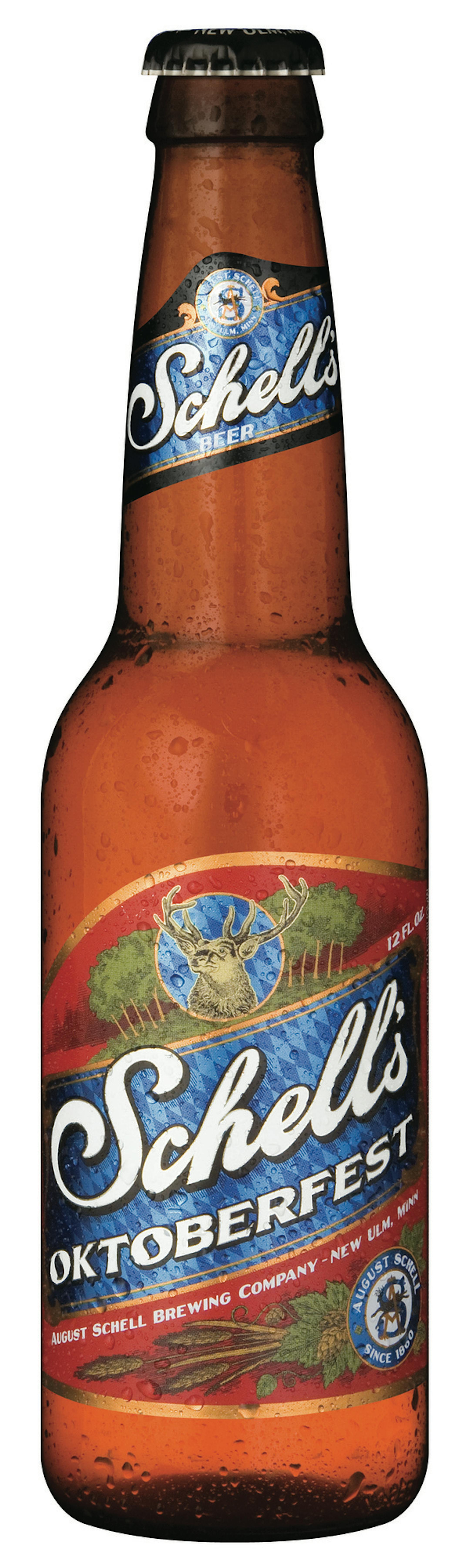
When it comes to beer festivals, Munich's Oktoberfest is the king, attracting nearly 7 million visitors each year from every corner of the globe. Almost 8 million liters of beer are served up over the 16 days of the fest. Festival goers need that beer to wash down the hundreds of thousands of pounds of sausages and roasted chickens that are consumed.
Oktoberfest has been held nearly every year on the famous Theresienwiese since 1810, when Bavarian Crown Prince Ludwig organized a series of horse races to celebrate his marriage to Princess Therese of Bavaria. Beer was reportedly not a central feature of that first fest — although I find it difficult to believe that beer didn't play some role. This is Germany we're talking about.
You needn't go to Munich to catch a bit of the festival spirit. Oktoberfest-style lagers are available by the dozens in Twin Cities area stores.
The malty, orange lager that we call Oktoberfest — also called Märzen — has roots that go back much further than 1810. In the days before refrigeration, brewing beer in the summer was problematic. Higher levels of bacteria in the air made for more frequent spoiled batches. Although brewers of the day didn't know the cause, they did understand that it was better to make beer during the colder months.
Märzenbier was brewed at the end of the brewing season in March — März is the German word for March — and stored in cold caves for consumption starting midsummer. When the brewing season resumed in October, the remaining casks of Märzenbier were tapped. It's not hard to imagine German villagers gathering for a celebration of the year's harvest and drinking this now well-seasoned beer.
Like all the German lager styles, the base profile of Oktoberfest beers is fairly set. Nuanced differences separate one brewer's version from another. The style highlights the toasted-bread flavor and sweetness of European kilned malts. Hops provide just enough bitterness to maintain balance without overshadowing the malt. Sweetness is kept further in check by the clean, crisp lager finish.
When shopping for Oktoberfest beers at home, you might be tempted to reach for the authentic offerings from Germany. Unfortunately, many of these see some serious mistreatment between the brewery and the store. Time and heat leave these originally good beers tasting flat and papery. Those packaged in green bottles invariably have the aroma of agitated skunk.
Some great choices from U.S.
You're much better off reaching for fresher domestic examples. There are many great ones available that range from traditional interpretations to contemporary and Americanized riffs on the original.


