

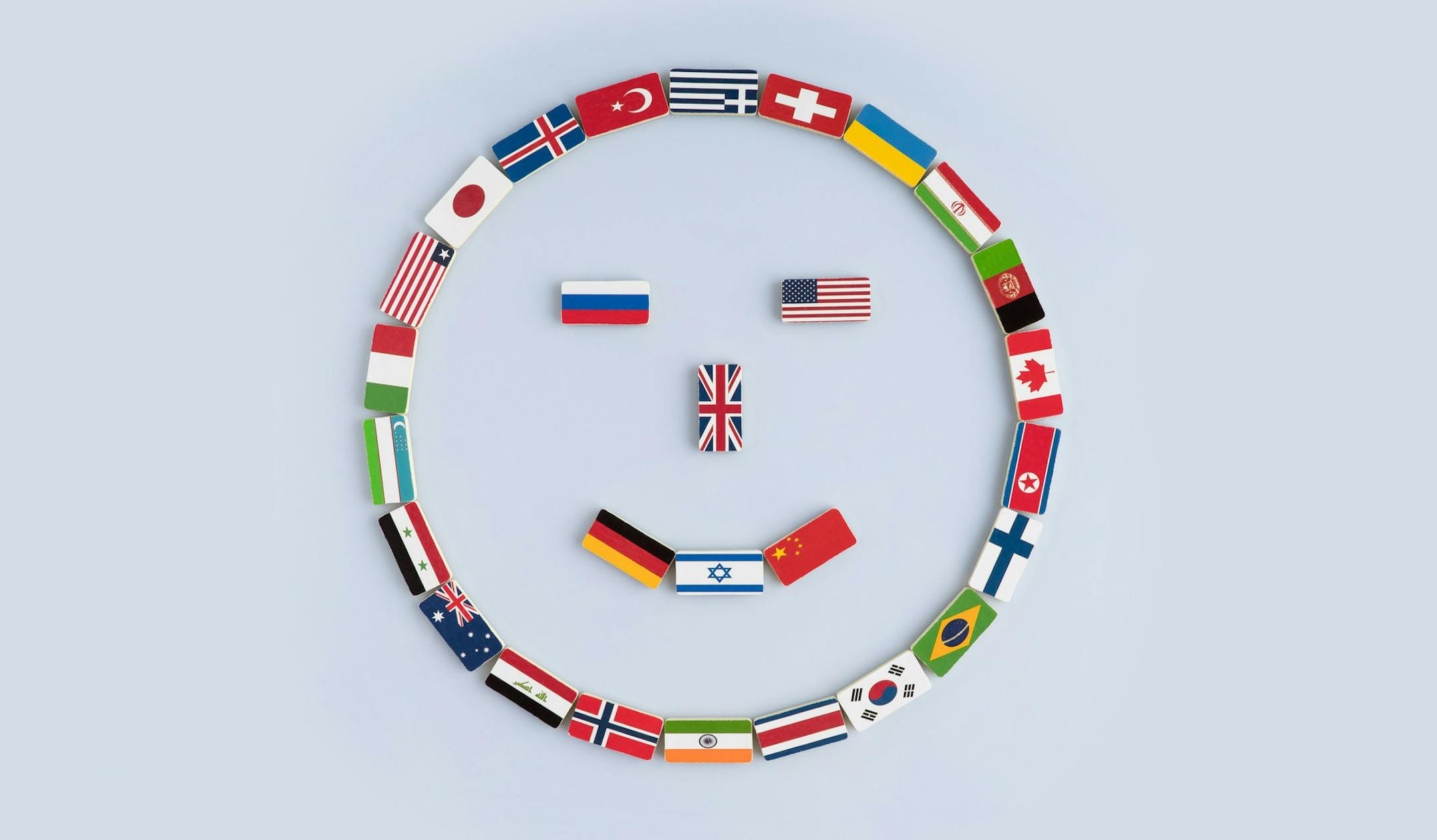
Happiness.
The pursuit of it is in our Declaration of Independence.
And it's also in our constitution, our makeup as humans.
But not in a way that makes up most macroeconomic analyses of a nation's well-being.
"Leaders for the past 100 years have solely focused on traditional economic indicators like GDP and unemployment, and the challenge with that and this notion of behavioral economics is that rational behavior only explains 30 percent of what we do, and that other 70 percent, the emotional side, is absent," said Jon Clifton, global managing partner at Gallup.
The polling firm conducted the research in 156 countries for the World Happiness Report, which was released on Wednesday by the U.N. Sustainable Development Solutions Network.
Not that there isn't a link between wealth and how happy people perceive themselves to be. That's evident by examining a list of the 10 happiest nations: Finland, Denmark, Norway, Iceland, Netherlands, Switzerland, Sweden, New Zealand, Canada and Austria.
All are relatively wealthy societies, with rich traditions of cohesive contentment, especially in Scandinavian nations.


