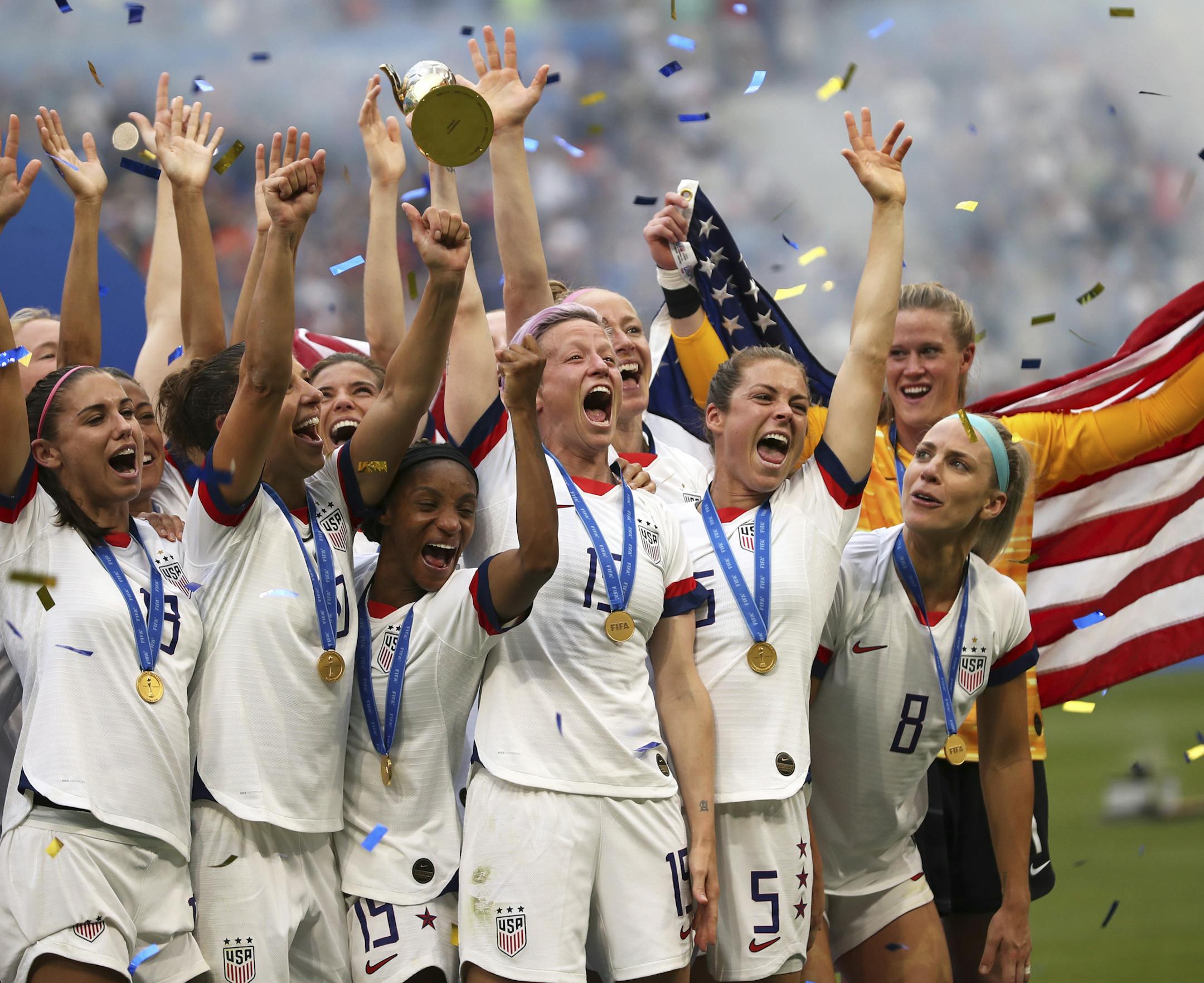
Still cheering on (or even choking up over) the U.S. Women's soccer team's World Cup win? Then a new documentary debuting locally on Friday will be well worth watching.
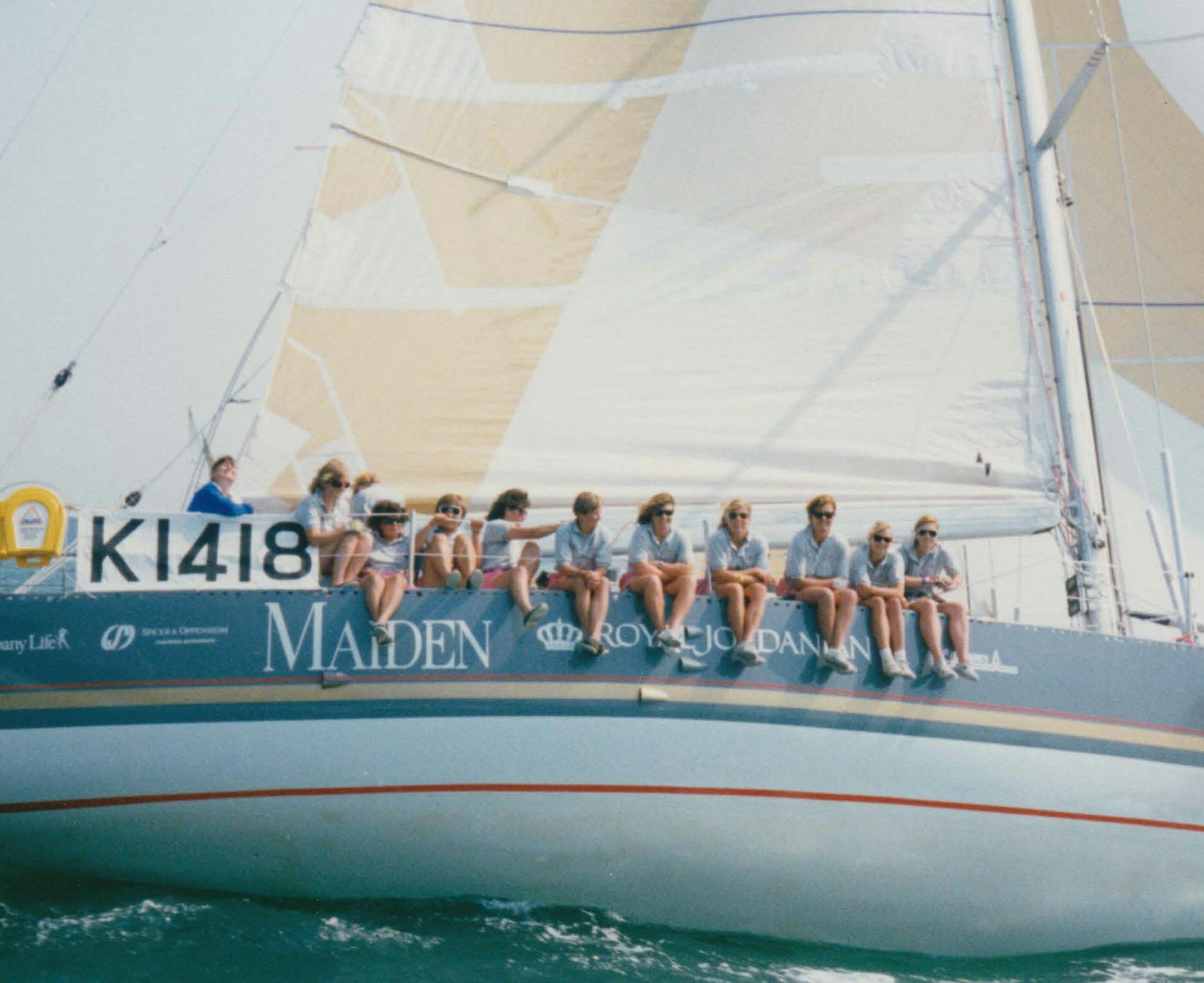
The film, "Maiden," tells the extraordinary story of the first all-female sailboat crew in the grueling 33,000-mile, nine-month, open-ocean Whitbread Round the World Race.
The Maiden — an apt appellation for its first and female status — was a scrappy boat skippered by a steely 26-year-old Tracy Edwards, whose crew faced closed minds and open ridicule from sexist sailors and salesmen unwilling to sponsor the vessel.
The film's archival footage depicts perilous natural and institutional forces, like the treacherous Southern (or Antarctic) Ocean and a sailing culture that led one crusty journalist to deride the brave sailors as a "tin full of tarts."
The grainy film and the ingrained chauvinism might make moviegoers think that the race took place long ago. But it was actually only in 1989.
So, in some sense, the progress is extraordinary three decades hence. After all, unlike back in the Maiden's era, cheers, not jeers, met the U.S. soccer team, even before they won the Women's World Cup. And afterward, marketers like Nike launched instant, inspiring commercials that were a celebration of both the powerful team and women's empowerment overall.
Conversely, the Maiden crew couldn't find any financial support in Great Britain, leading Edwards to mortgage her home (and future) to literally keep her ship afloat. And in a striking aspect to the story, she turned a random maritime meeting of Jordan's King Hussein into a sponsorship appeal that the king obliged, giving Royal Jordanian Airlines a PR coup and making the monarchy look more modern than London.
As with any revolution, sociological, cultural and political components have combined to elevate women's sports. And in the case of the U.S. — and because of America's influence, the world — there was also a legal one: Title IX, the landmark legislation on equality that forever changed the game for girls and women in sport. When it was passed in 1972, LaVoi said, about one in 27 girls played sports. Today, it's about one in three.