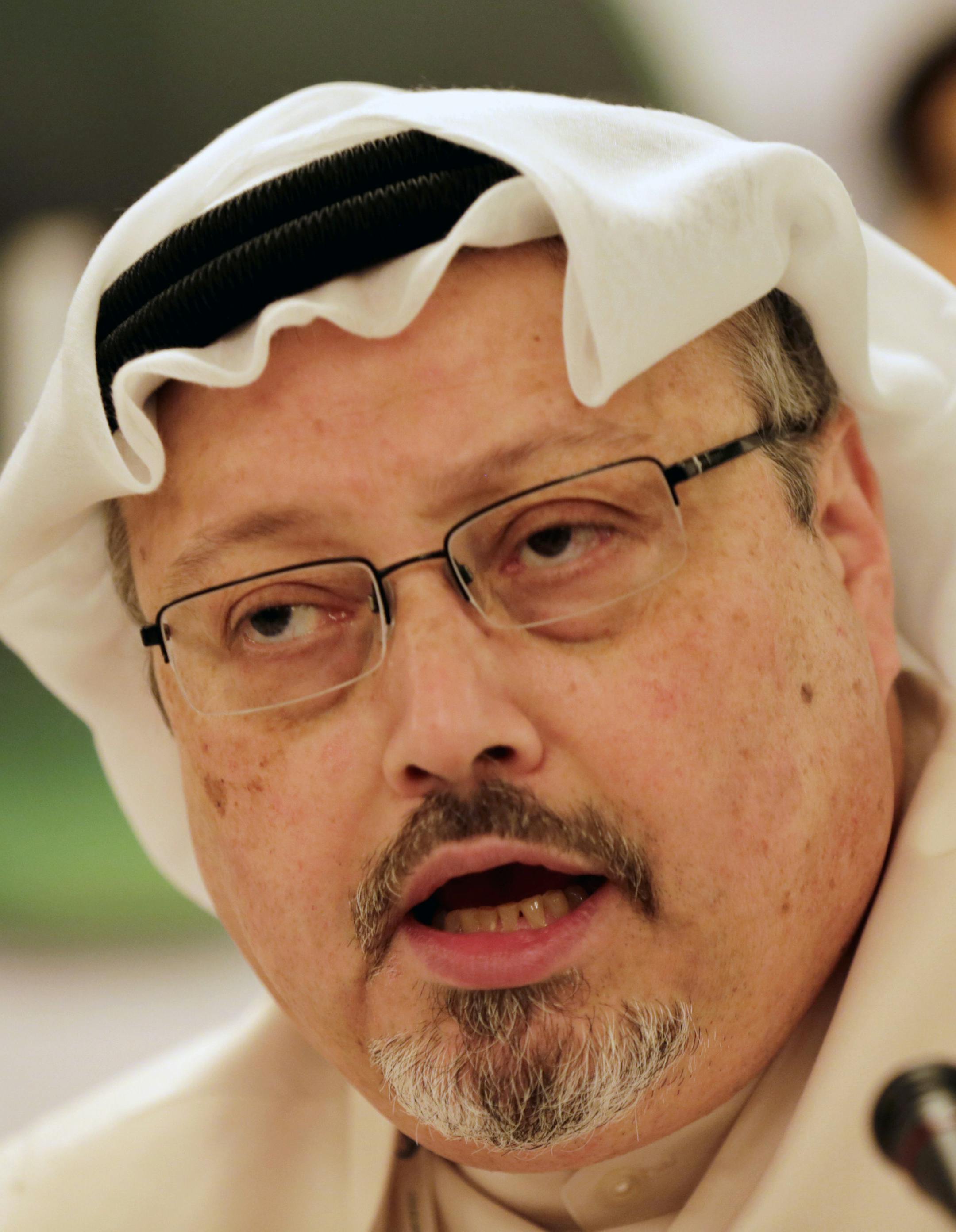
The global glare is on Saudi Arabia and its youthful ruler, Crown Prince Mohammed bin Salman, over allegations that the Saudi government kidnapped, interrogated, tortured, killed and dismembered a dissident journalist, Jamal Khashoggi, while he was at the Saudi consulate in Istanbul, Turkey. Khashoggi, who wrote for the Washington Post, was living in self-exile in the U.S.
If the allegations coming from Turkey are proven true, the world should be shocked.
But sadly, not surprised, since evidence already existed that the 33-year-old crown prince, widely known as MbS, wasn't really a modernizing reformer, but a retrograde, repressive tyrant.
The evidence was already apparent in Yemen, scene of a horrifying humanitarian disaster triggered in part by Saudi forces' indiscriminate bombing raids meant to tilt the scales in that country's savage civil war.
It's seen in some other countries, too, where the long arm of Saudi security services has silenced dissent from some Saudis living abroad.
And Washington provided its own evidence in the State Department's "Saudi Arabia 2017 Human Rights Report," which details a litany of grave abuses, including unlawful killings and torture, as well as arbitrary arrest and detention of lawyers, human rights activists and antigovernment reformists.
Add journalists to that mix.
"Between 25 and 30 professional and nonprofessional journalists are currently detained in Saudi Arabia, which is ranked 169th out of 180 countries in RSF's [Reporters Without Borders] World Press Freedom Index," according to the media-freedom organization, which has referred the Khashoggi case to the United Nations Working Group on Enforced or Involuntary Disappearances.