

From seminal movies to social movements, America is in the midst of marking 50-year anniversaries of revolutions in culture.
China, conversely, has been quite quiet about noting the Cultural Revolution, which began 50 years ago this week.
The reticence to reflect is regrettable. However painful, reckoning with the past can prevent recurrence. Especially since this half-century anniversary doesn't mark an era of creative destruction, but just destruction.
The Maoist madness that saw students turn in teachers, children turn on parents and comrade confront comrade for phantom ideological crimes cost more than 1 million lives. Some from mob beatings, others to executions, a few reportedly to cannibalism. Some accused in the Orwellian nightmare took their own lives. Many others were publicly humiliated or tortured. Scores more were "sent down" to the countryside to toil and be re-educated.
Mao Zedong's moves to consolidate power after "The Great Leap Forward," a calamitous economic and political policy that sparked starvation, not growth, as well as his misguided belief in permanent revolution helped trigger the Cultural Revolution.
No national descent into such depravity could have happened without orchestration, including media. Propaganda like the pocket-size "Little Red Book" waved by "Red Guards" remain the iconic artifact from the era. But posters played a big part, too.
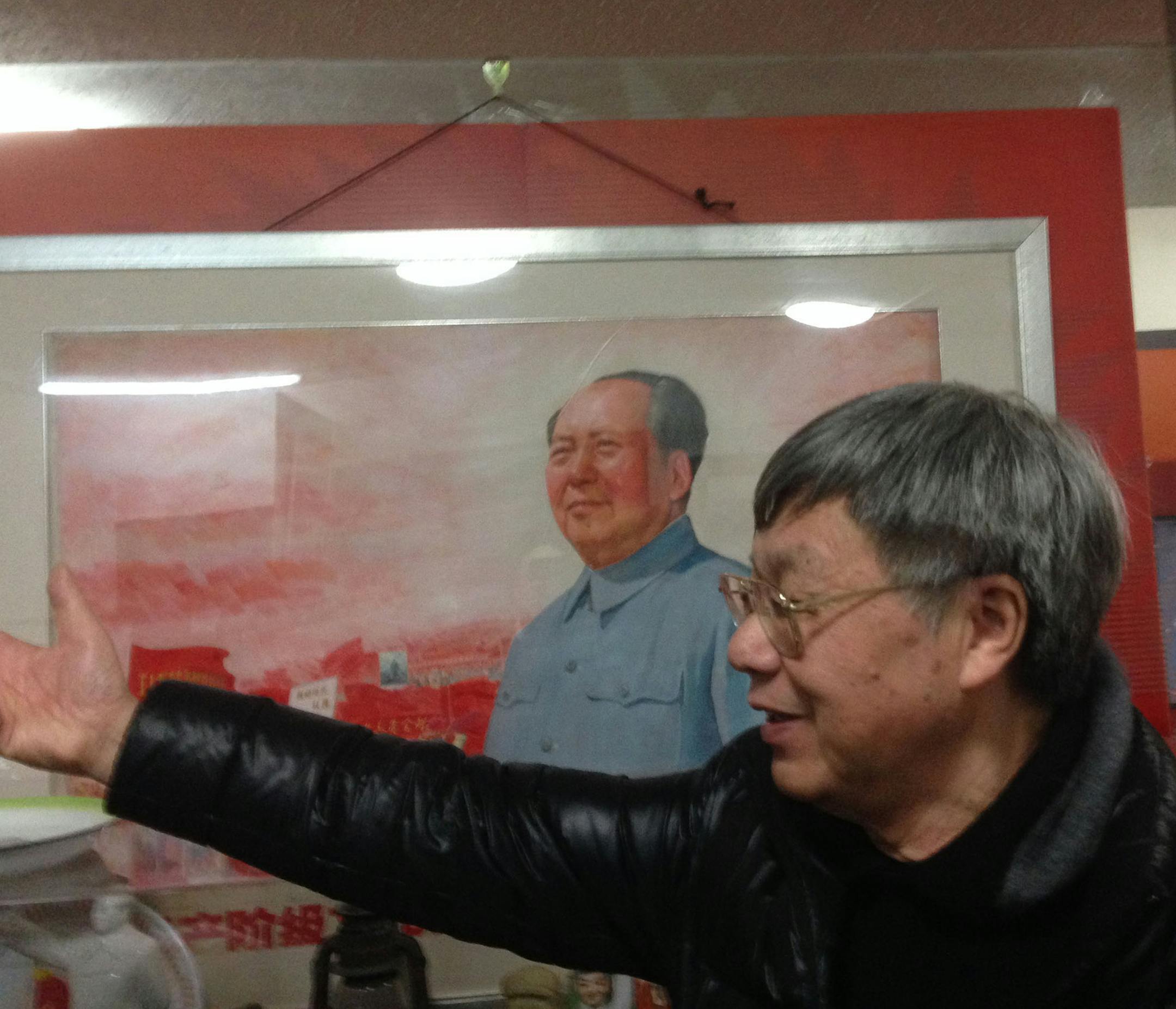
Originals from this dark era are on display at the Shanghai Propaganda Poster Art Centre. During a December 2015 trip coordinated by the China-United States Exchange Foundation, Director Yang Pei Ming told me and other reporters that the posters "were very, very important at that time. … All these pictures really affected people's behavior, doing and thinking."
What the illustrated posters implored was fanatical fealty to Maoism, and Mao, who seems beatified. And big: Larger than other comrades, and larger than life.


